Emirati Arabi Uniti

Intelligenza Artificiale e Policrisi by Filippo Venturi

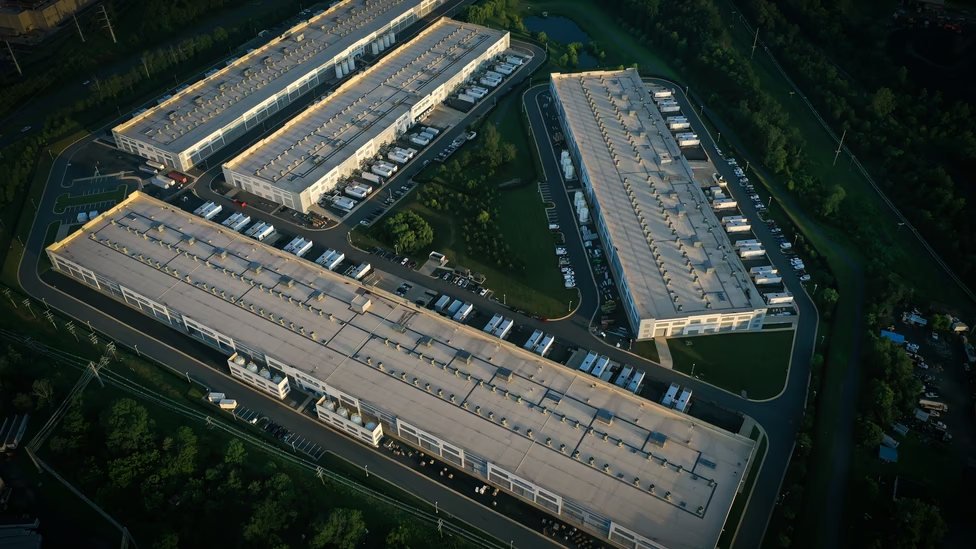
An Amazon Web Services data center in Manassas, Virginia (Nathan Howard / Bloomberg / Getty)

L'economia globale è ormai dipendente dall'industria dell'IA. Alla fine del 2025, quasi tutta la crescita economica degli Stati Uniti è derivata dagli investimenti in questo settore. Questa crescita però poggia su fondamenta precarie, a causa di una crisi (polycrisis) che intreccia finanza, geopolitica ed energia.

Il settore dell'IA dipende da una catena di approvvigionamento concentrata in poche aree geografiche a rischio:

- La guerra in Iran ha destabilizzato la regione. La chiusura dello Stretto di Hormuz blocca (o comunque riduce sensibilmente) il transito di risorse vitali come il gas naturale, il petrolio e materiali chiave per costruire i chip, come elio, zolfo e bromo.

- I chip avanzati necessari per i data center dedicati all'IA sono prodotti in prevalenza in Corea del Sud e Taiwan, da aziende che dipendono dall'energia del Golfo Persico per alimentare le loro fabbriche.

L'aumento dei costi energetici rende i data center (già estremamente costosi) quasi impossibili da gestire in profitto, diffondendo il timore che l'IA sia una bolla pronta a esplodere, simile alla crisi del 2008. Le grandi aziende tech ("Hyperscalers" come Microsoft, Google, Meta, Amazon) hanno emesso 121 miliardi di dollari di debito nel 2025 per finanziare l'infrastruttura IA. Società di private equity (Blackstone, BlackRock, ecc) operano come "banche ombra", finanziando data center con debiti enormi, che le aziende tech potrebbero non essere più in grado di pagare.

Un altro elemento critico di questa crisi è il cosiddetto "paradosso della svalutazione". A differenza delle industrie tradizionali, dove gli asset fisici mantengono un valore residuo, i chip per l'IA subiscono un’obsolescenza rapidissima, diventando superati nel giro di pochi mesi e perdendo gran parte del loro valore come collaterale per le banche. Parallelamente, il modello di business dell'IA è intrinsecamente deflattivo, cioè l'efficienza tecnologica spinge il costo dei "token" (le unità di calcolo vendute agli utenti per svolgere le attività generative) verso lo zero, creando una spirale in cui i ricavi potenziali diminuiscono mentre i costi fissi e il debito rimangono invariati. Questo rende l'intero ecosistema finanziario molto fragile. Se l'asset sottostante (il data center) perde valore e il prodotto venduto si svaluta, il rischio di insolvenza diventa sistemico.

I data center sono diventati obiettivi militari e strategici nell'area del Golfo Persico (l'Iran ha già colpito data center di Amazon negli Emirati Arabi e in Bahrain), eventualità che non era stata prevista. Si tratta di strutture enormi, difficili da proteggere e impossibili da nascondere. Anche quelli presenti sul territorio americano potrebbero venire sabotati, subire cyberattacchi o essere colpiti da attacchi.

Considerando la complessità e fragilità di questo sistema e le complicazioni che si stanno creando a livello globale, non è escluso che sia destinato a fallire. "Ci sono troppi modi in cui può fallire perché non fallisca." — Paul Kedrosky, investitore.


Per maggiori informazioni, consiglio di leggere l'articolo integrale su The Atlantic:
Welcome to a Multidimensional Economic Disaster
The AI boom wasn’t built for the polycrisis.
By Matteo Wong and Charlie Warzel


Se desideri approfondire il rapporto tra fotografia, informazione e intelligenza artificiale — tra ricerca visiva, implicazioni etiche e trasformazioni del linguaggio contemporaneo — puoi consultare la seguente pagina, dove raccolgo riflessioni, progetti, articoli e informazioni aggiornate su seminari, workshop e incontri pubblici in cui esploro questo tema:

👉 www.filippoventuri.photography/intelligenza-artificiale

Foundations of a Mirage al Festival della Fotografia Italiana by Filippo Venturi

Il mio lavoro “Foundations of a mirage”, su Dubai, sarà esposto al Festival della Fotografia Italiana, dal 14 giugno al 6 ottobre 2024, presso il Palagio Fiorentino di Stia!


Questo lavoro è risultato fra i 6 selezionati dell'Open Call "Percorsi - Dal progetto al libro fotografico”.

La Giuria ha assegnato il primo premio a Stefani Adami con l’opera “ADAGIO NAPOLETANO”. Il progetto verrà pubblicato all’interno di un libro fotografico della collana monografica FIAF e sarà esposto durante il “Festival della Fotografia Italiana”, insieme ad altri 5 Autori che sono stati selezionati:

  • Andrea Agostini con l’opera “NÒSTOS”

  • Andrea Angelini con l’opera “DI LÀ DAI FIUMI, TRA GLI ALBERI DELLA ROMAGNA”

  • Giorgio Bertoncello con l’opera “BRENTA - SGUARDI LUNGO IL FIUME”

  • Anella Tarantino con l’opera “ANÁNKĒ”

  • Filippo Venturi con l’opera “FOUNDATIONS OF A MIRAGE”


Aggiornamento del 15/06/2024

Qualche fotografia della mostra del mio lavoro "Foundations of a mirage", al Festival della Fotografia Italiana, presso la limonaia del Palagio Fiorentino di Stia, qualche ora prima dell'inaugurazione :)

Nomination al Leica Oskar Barnack Award by Filippo Venturi

Il mio lavoro "Foundations of a mirage" è stato nominato al "Leica Oskar Barnack Award" di quest'anno.

L’essere stato selezionato per questo premio prestigioso è, per me, un grande onore e piacere e un ulteriore stimolo nel continuare a lavorare con il massimo impegno!

Maggiori info su lavoro qui: https://www.filippoventuri.photography/blog/dubai-expo-mirage

Questo invece è il sito ufficiale del premio: https://www.leica-oskar-barnack-award.com/en

Foundations of a Mirage by Filippo Venturi

Foundations of a Mirage
Dubai, United Arab Emirates, 2021 - Ongoing

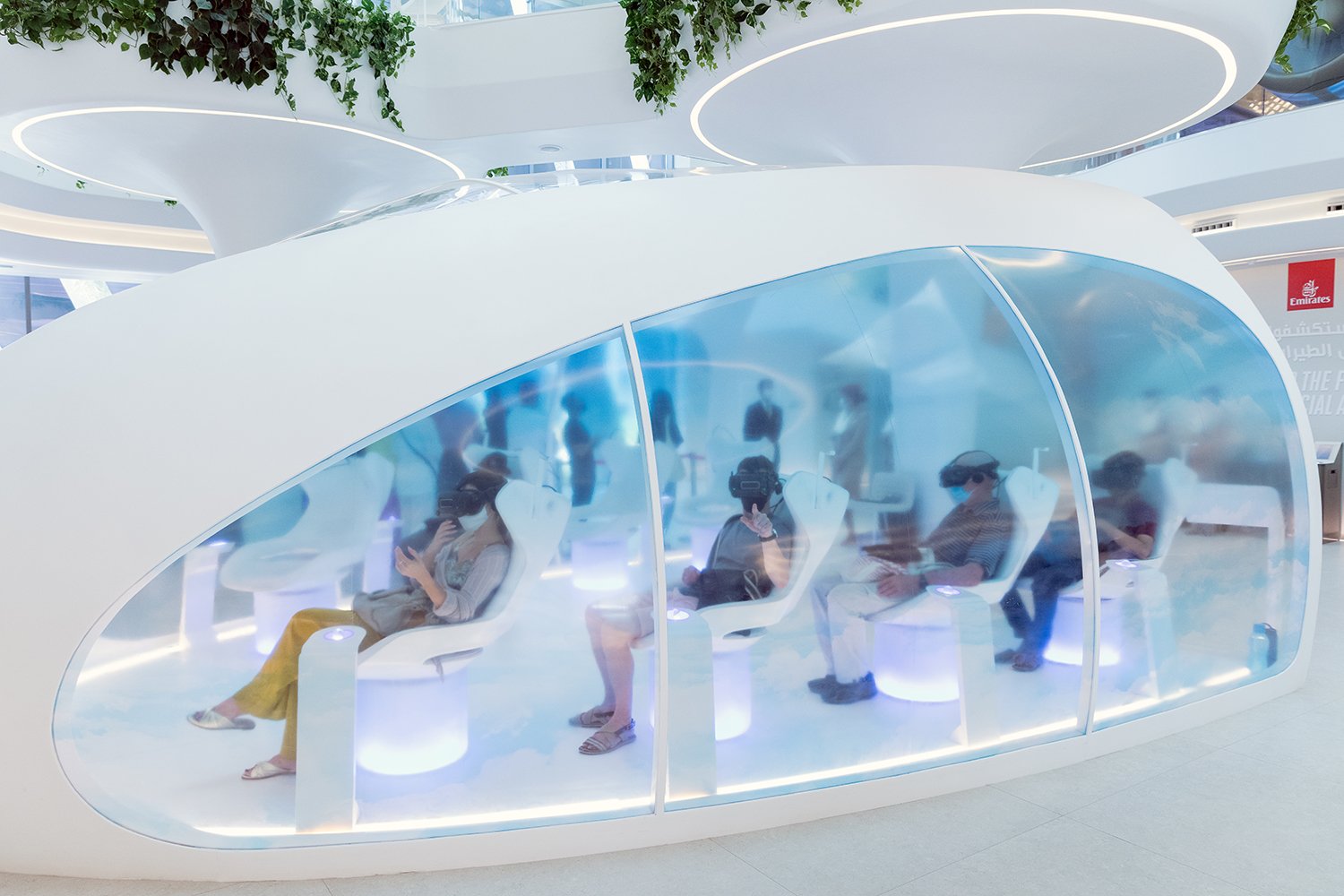
2021 is an important year for the United Arab Emirates, which is celebrating the 50th anniversary of its and hosting EXPO 2020 (postponed by a year due to the COVID-19 pandemic) in Dubai, the country’s most important city, considered the “New York of the Persian Gulf”.

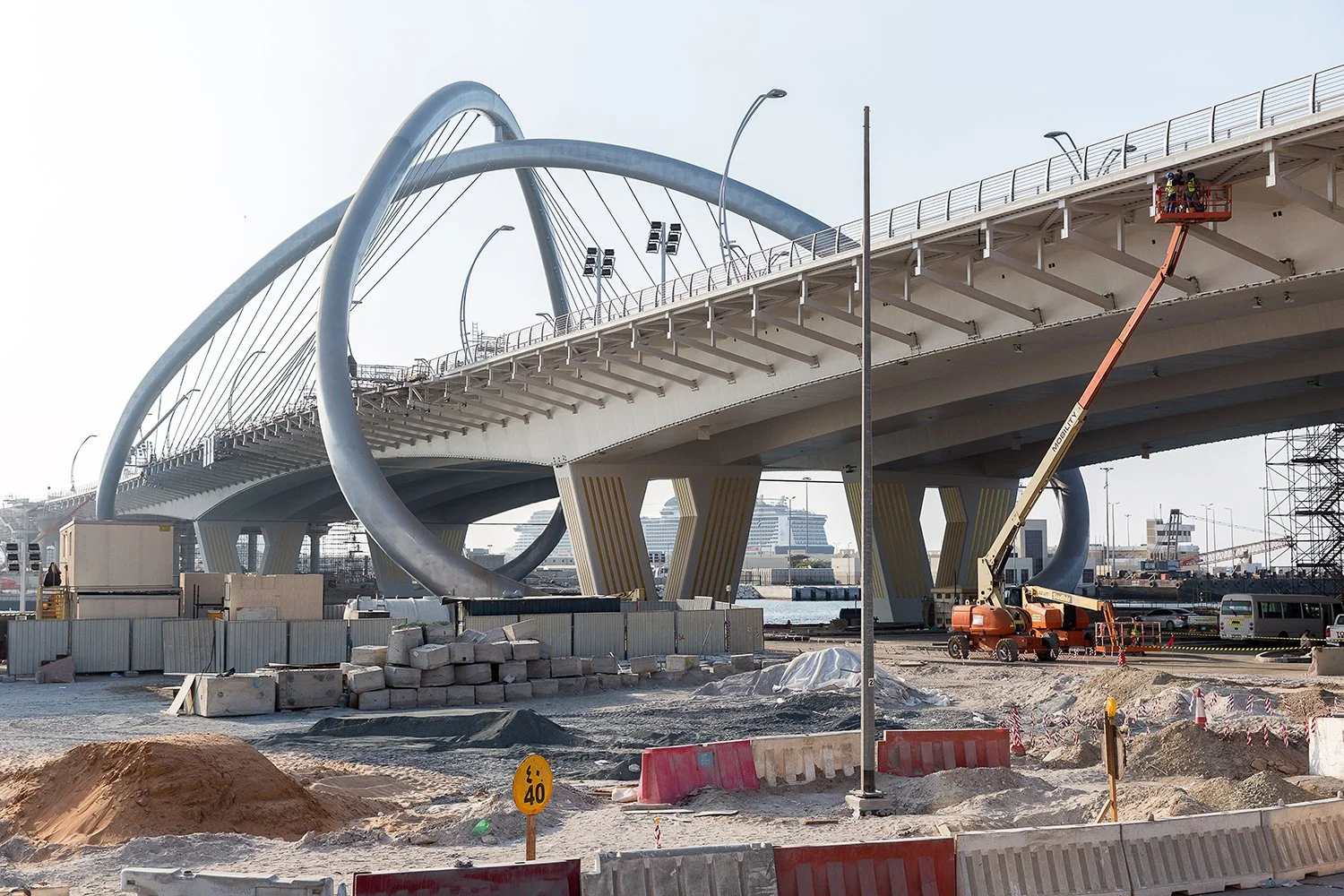
The fate of the UAE took a drastic turn with the discovery of oil in Abu Dhabi in 1958 and in Dubai in 1966. Even today, over 85% of the country’s economy is based on exports of natural resources. In recent years, the construction boom has driven the country’s government to invest in very expensive infrastructure, in Dubai itself, chasing various records, such as the Burj Khalifa, the world’s tallest building; the Dubai World Central International Airport, the most expensive airport ever built; the three Palm Islands, the largest artificial islands in the world; the Dubai Mall, the largest shopping mall in the world; Dubailand, an amusement park that is supposed be twice the size of Disney World (which, however, has suffered severe delays due to the recent economic crisis).

The population of the UAE is around 10 million, of which 11% are citizens of the United Arab Emirates and 89% are foreigners (mostly immigrants from India, Pakistan and Bangladesh).

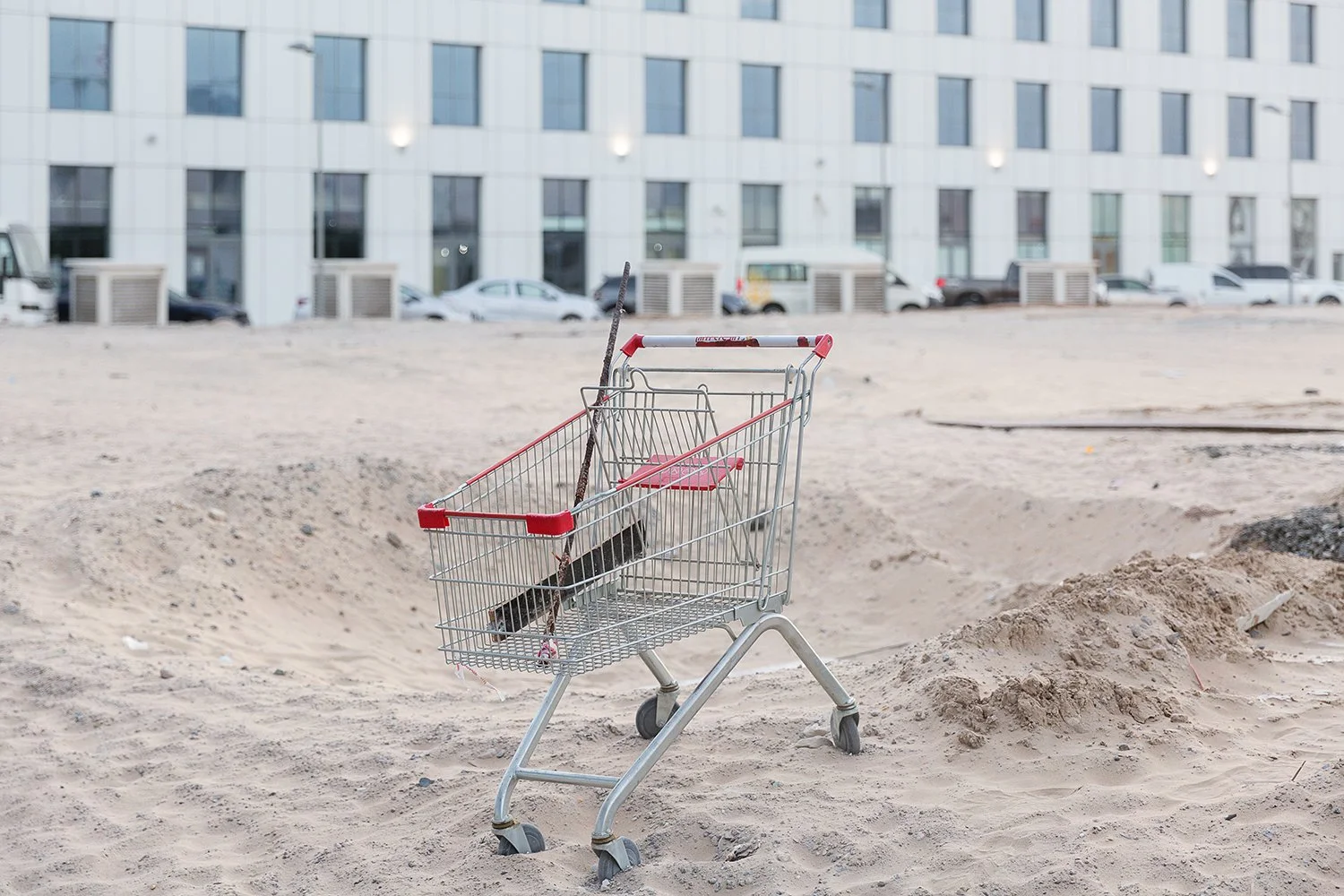
Although for some time now the country, also through the EXPO, has been attempting to tackle important and current issues such as sustainability (accessibility and resilience of environmental resources, energy and water), in practice it relies on a system that has very little that is sustainable and modern about it, i.e. the exploitation of low-cost migrant labour to create works that aim to be the largest/tallest/most impressive etc. to the world, whose goal is to support a purely Western type of consumerism, even at the cost of distorting the traditions and culture of the country itself, resulting in an artificial, contradictory reality.

Thanks to its reflective surfaces and the use of futuristic technologies, Dubai’s show of modernity can dazzle and distract from the actual situation, where capitalism reigns supreme. Even so, however, it is not difficult to notice the army of workers ready to clean and disinfect anywhere suitable for hosting visitors, including the streets, or in charge of directing tourists and satisfying their every need.

The dark side of Dubai has many facets, including that of being a tax haven capable of attracting people and money whose origins are “hazy” to say the least, but it is on a human level that the cruellest face of this reality can be found, where workers are treated like commodities, also through what is known as the kafala, a system of exploitation that shares some characteristics with human trafficking. The result is therefore a form of contemporary slavery that goes unnoticed because to visitors, Dubai appears to be a wonderland, whose hardly “sustainable” foundations, however, they fail to see.

Pubblicazione su Stern Magazine by Filippo Venturi

Sul settimanale tedesco Stern Magazine, una piccola anteprima del mio reportage fotografico su Dubai e l'Expo che sta attualmente ospitando: un tentativo sfarzoso degli EAU di ripulire la propria immagine.

In the German weekly Stern Magazine, a small preview of my photographic reportage on Dubai and the Expo it is currently hosting has been published: a lavish attempt by the UAE to clean up its image.