Leonardo da Vinci's 500th Anniversary /  by Filippo Venturi

A preview of my photographic work on Leonardo da Vinci

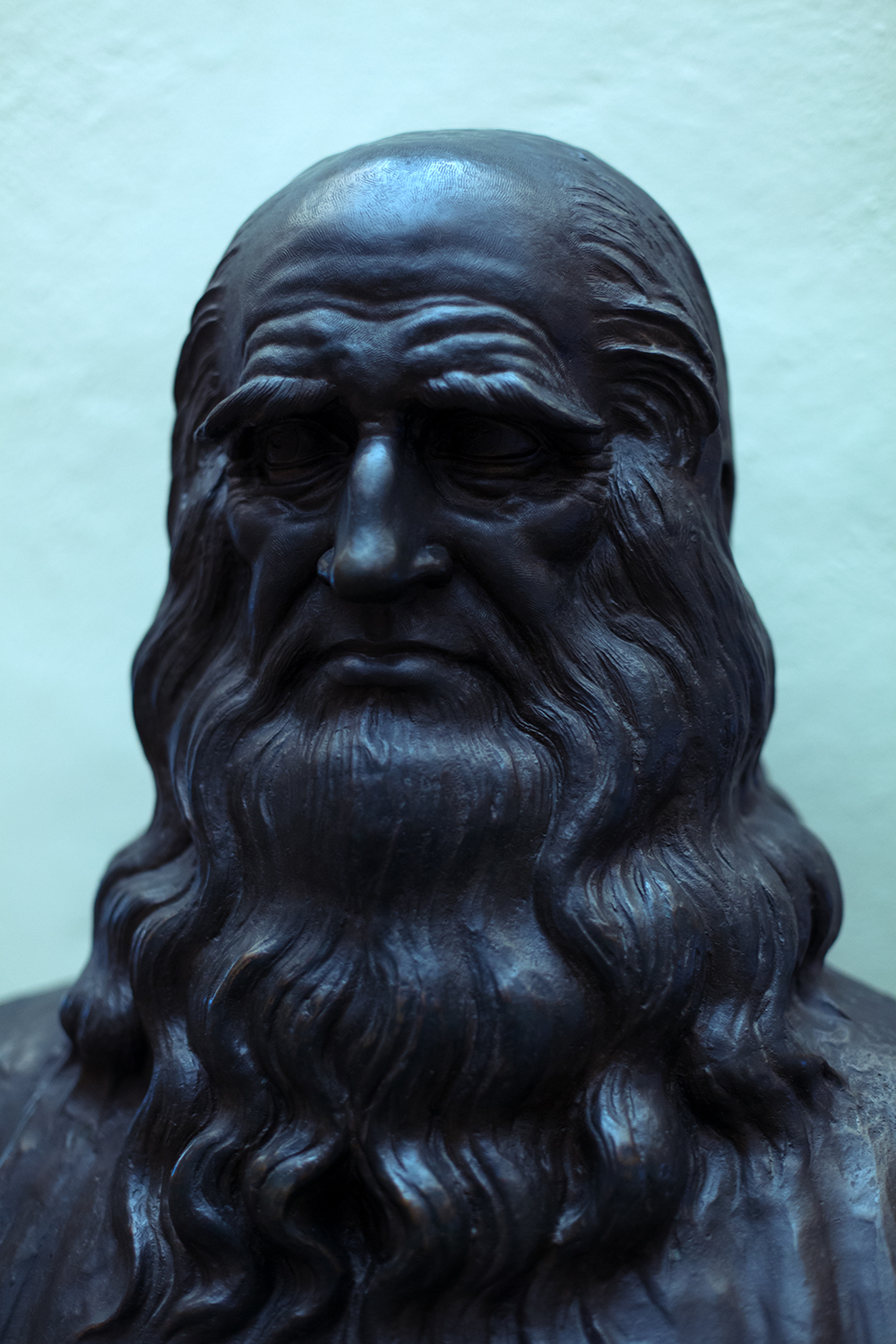
On May 2, 2019, the fifth centenary of the death of Leonardo da Vinci occurred, a celebration of one of the most renowned archetypes of the “universal man” typical of the Renaissance time. Leonardo di ser Piero da Vinci was born in Anchiano (municipality of Vinci) on April the 15th 1452 and he died in Amboise (France) on May the 2nd 1519. He spawned his interest in the most different fields of art and knowledge; he dealt with architecture, sculpture, he busied himself in drawing, he wrote essays, he was a scenographer, anatomist, musician, designer and inventor. He is considered one of the greatest geniuses of all time.

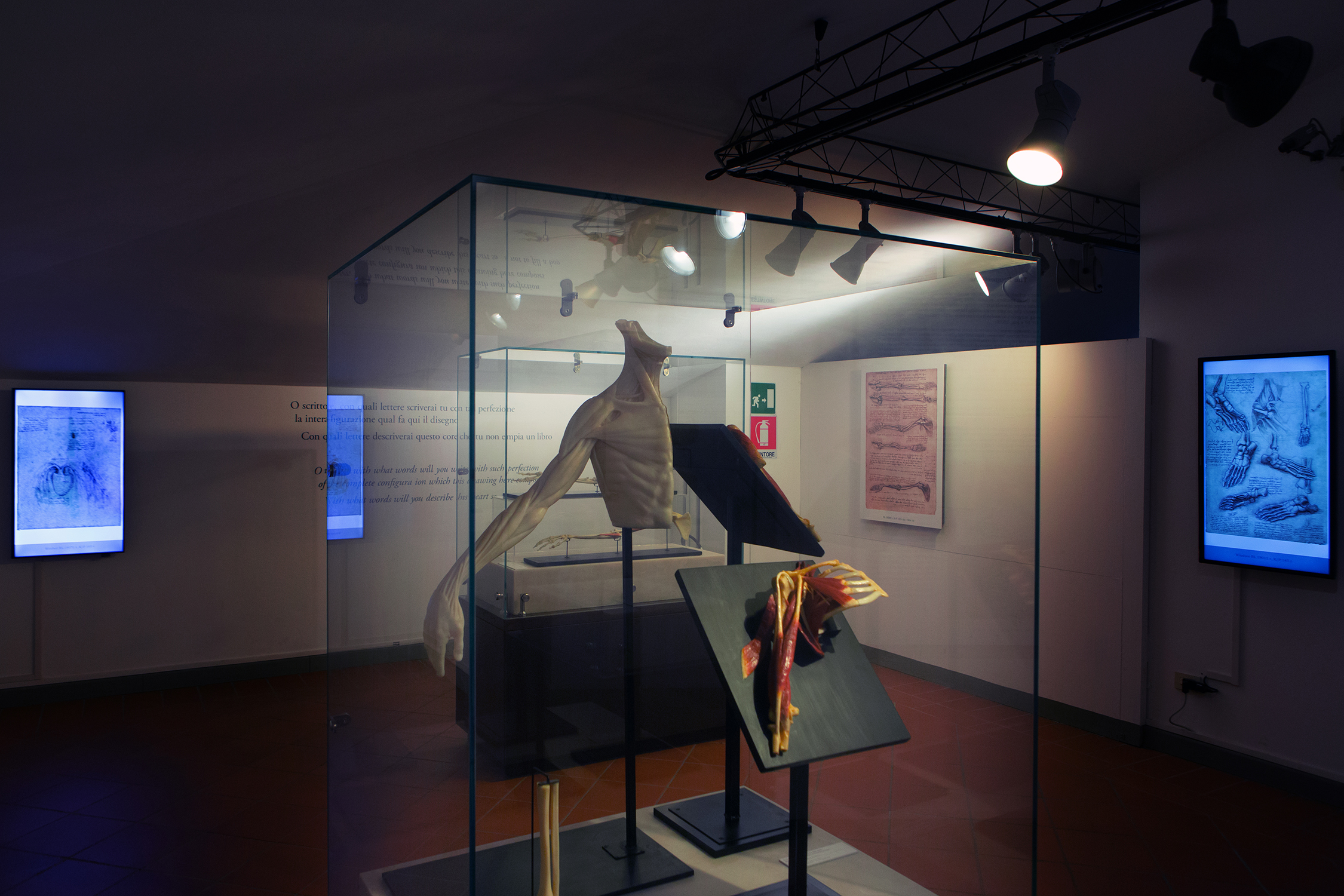
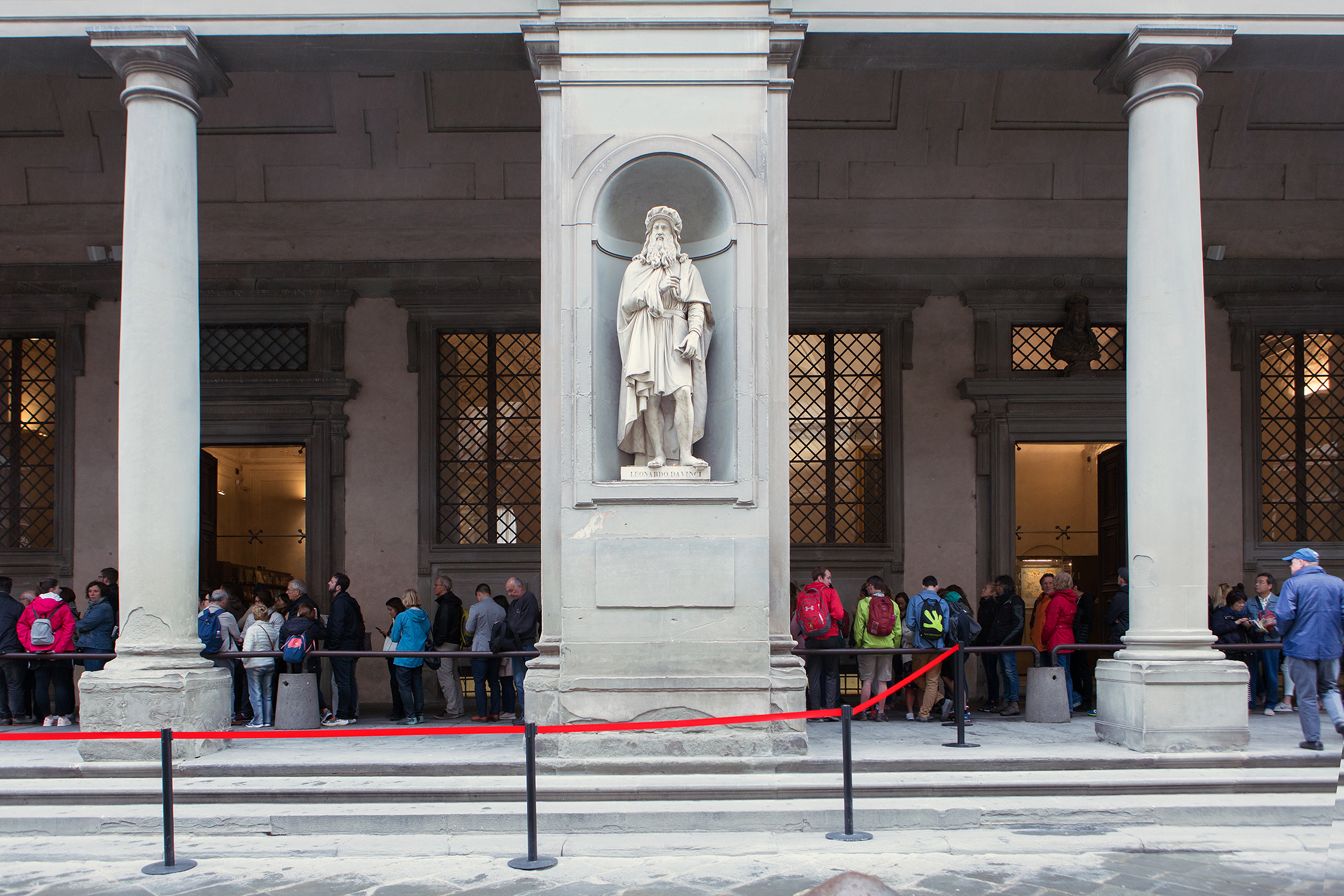
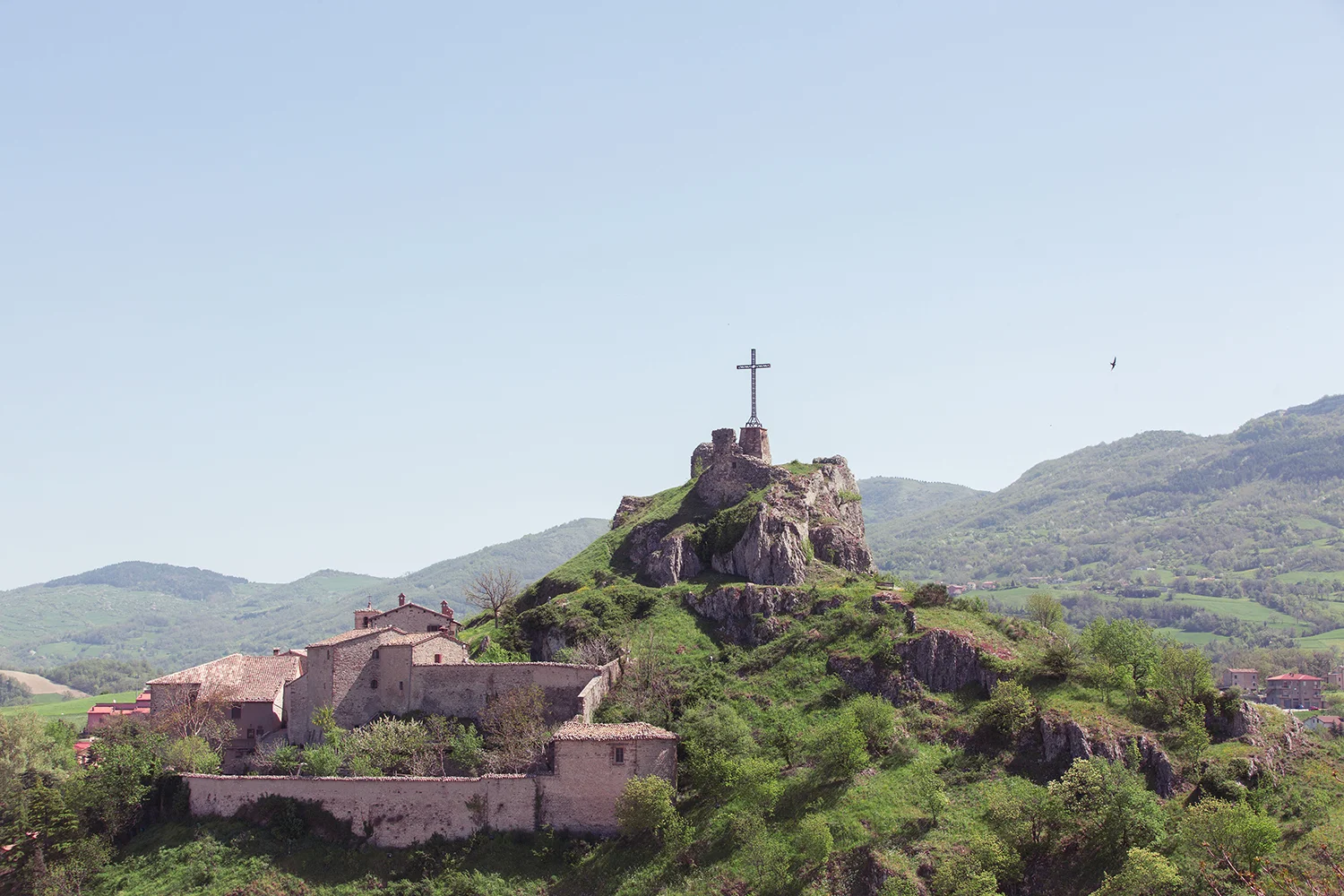
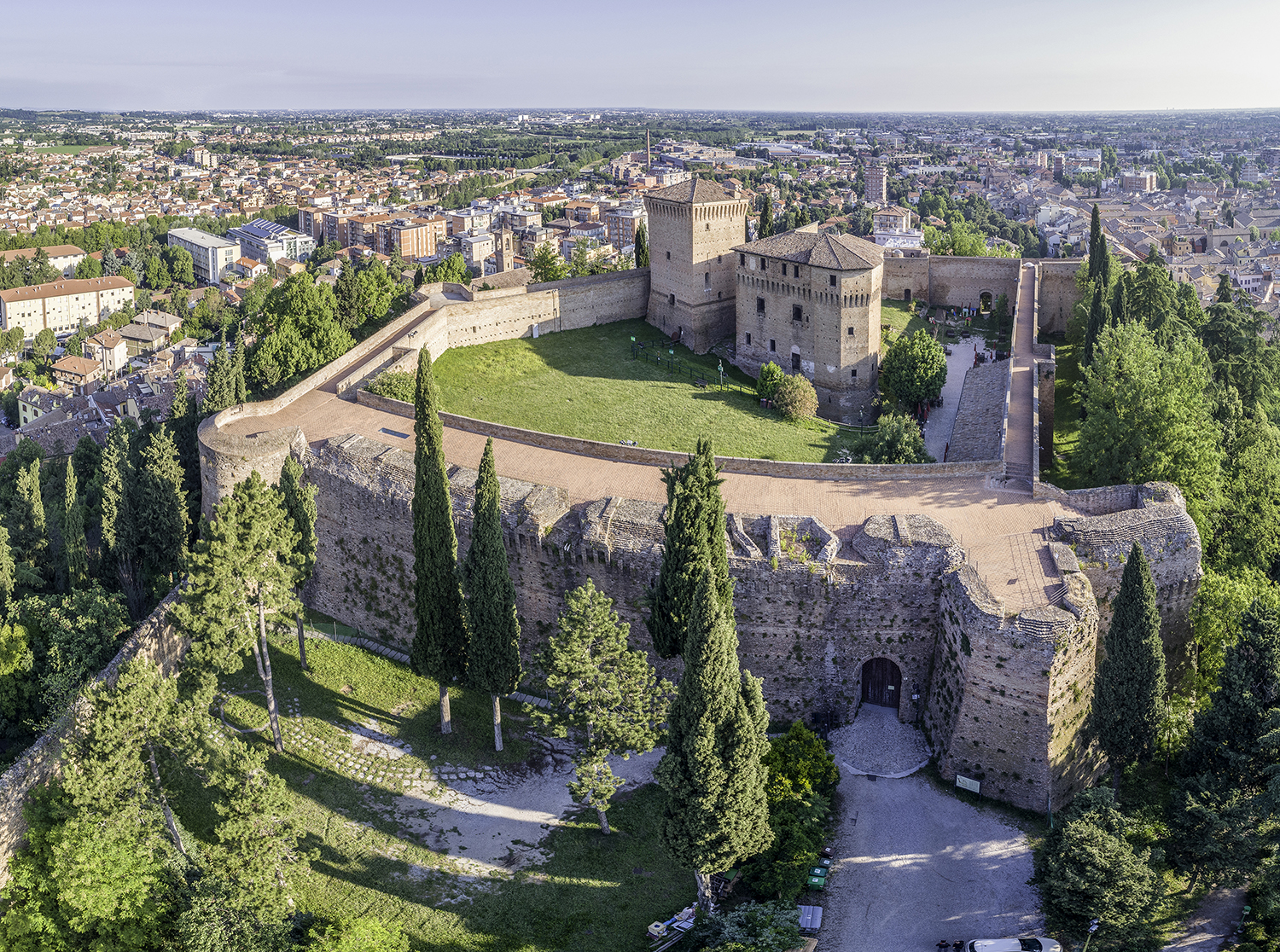
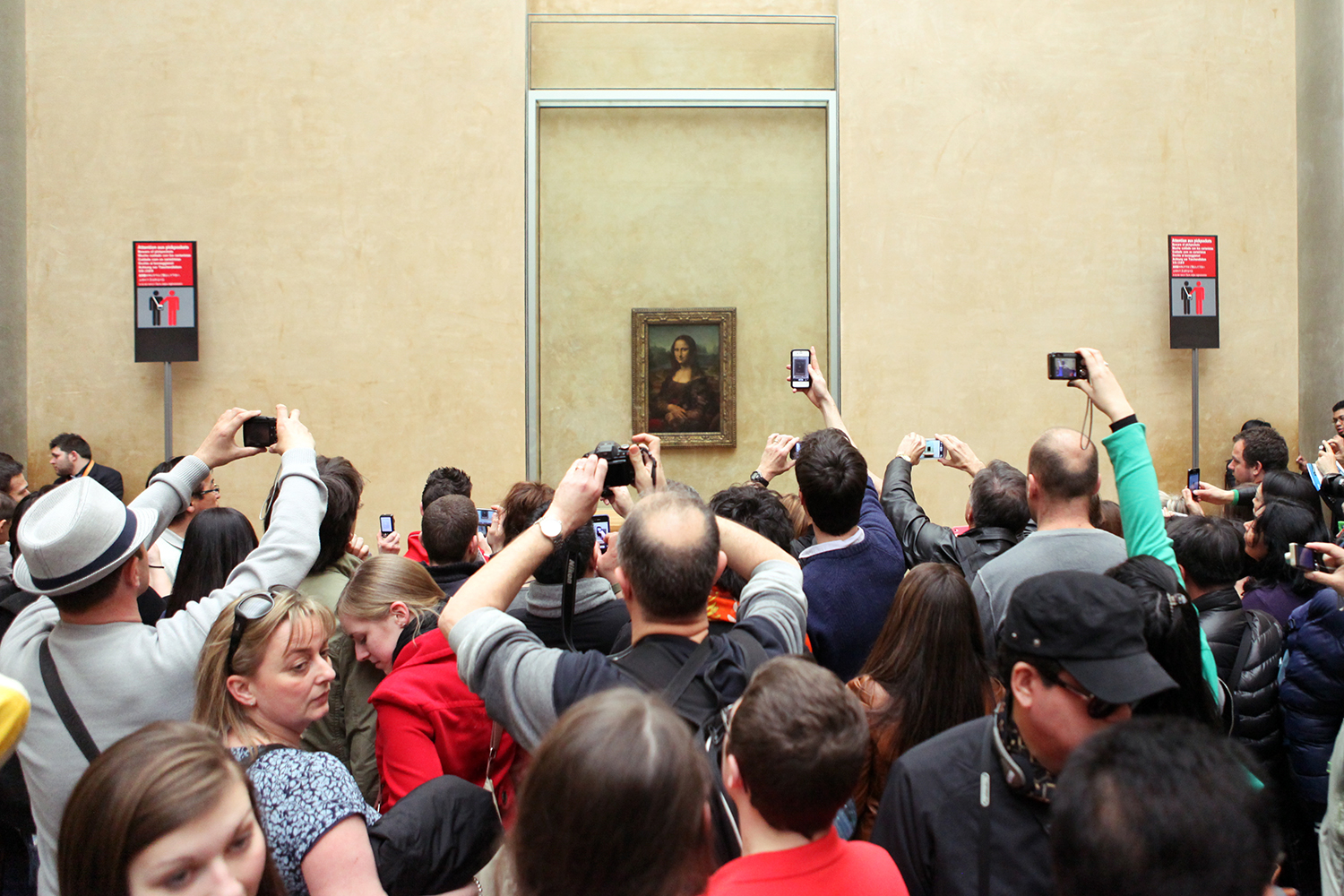
During 2018 I have further deepened my studies about this artist by developing a photographic research; I have retraced his life, following the “traces” he has left, the hypotheses that concern him and the testimonies of his influence on arts, technology and today’s life. Starting from my own land, Romagna, where Leonardo lived and worked for Cesare Borgia, renovating the fortifications of the local Rocche (castles), later I visited Vinci and Florence where the artist lived and spent his childhood. In Florence I traced back some of Leonardo’s official heirs, including the Maestro Franco Zeffirelli, one of the world’s most renowned Italian directors. I explored and photographed the Valmarecchia and the Iseo Lake, identified by some recent studies as the backgrounds Leonardo painted in some of his pictures (the Mona Lisa and the Virgin of the Rocks), managing to find the exacts spots described in the studies. In Forlì I have photographed the “Da Vinci” robot, the most evolved robot system for the mini-invasive surgery, during a surgical procedure to remove a tumour. Finally, in Milan, I have documented the wing inside the Museum of Technology dedicated to Da Vinci’s genius.

INTERVIEW WITH PIPPO ZEFFIRELLI

Franco Zeffirelli, born Gian Franco Corsi Zeffirelli (Firenze, 12 febbraio 1923), is one of the world’s most famous Italian directors. Due to a serious illness he no longer appears in public and I could not interview him. In his place I had the opportunity to talk with Pippo Zeffirelli, Franco Zeffirelli’s son and vice president of the Zeffirelli Foundation which manages the Museum. An official research in 2016, conducted by Alessandro Vezzosi and Agnese Sabato, of the Ideal Leonardo da Vinci Museum, has identified 35 heirs of Leonardo da Vinci, among whom Franco Zeffirelli, who was already aware of this lineage.

A curious analogy links Leonardo Da Vinci and Franco Zeffirelli, both of them were not acknowledged by their own fathers.
Zeffirelli was born of an extramarital relationship between his father and his mother: they were both married to other people. The mother and her respective husband already had two children but, following an accident, the man could no longer father any children. This was a known fact in Florence and for this reason he could not recognize Franco. The mother was an important seamstress at the time and Franco Zeffirelli was born in a beautiful building in Piazza della Repubblica where there was an atelier, a piano (the mother loved classical music) and much more. His true father always visited him in secret and, when he became a widower, he recognized him. Zeffirelli is an invented surname: since he could not have the surname of his father nor that of his mother's husband. In the inscriptions at the Spedale degli Innocenti (Innocents’ Hospital) (the word “spedale” comes from the Florentine vernacular; the name refers to the “hospital of the abandoned children” quoting the biblical episode of the Massacre of the Innocents) they used the alphabet letters to name the orphans and, the day in which Gian Franco was brought there, they had reached the letter Z. Since his mother loved the opera, she wanted to name him Zeffiretti, from Mozart’s Idomeneo; however, they misspelled it and the name became Zeffirelli. At the age of 17 he was recognized by his father, a widower by the time, receiving his surname: Corsi. He could not recognize him before because he had a very jealous wife with whom he only had a daughter. His wife resented the fact he had had a boy with another woman. If truth be told, the father had other extra-marital children: he imported fabrics and provided many tailors in Florence and evidently had a certain charm and must have met and satisfied many women because the Maestro in the end discovered five or six half-brothers and sisters; some of them he met later in his life. For example, he found out about a brother during the Second World War; at that time the Maestro was a partisan and had taken refuge in the hills. He already spoke English fairly well and started acting as an interpreter for the English. One day he decided to go down to Florence to visit his father but, along the way, he and a dozen partisans were arrested by a group of fascists. Taken to the barracks, he met this guy behind the desk that filed the arrested boys, asking for the name and surname, and when Zeffirelli’s turn arrived, he gave the whole name: Gian Franco Zeffirelli Corsi, son of Ottorino Corsi. The officer, surprised, asked him "Are you Ottorino's son?", "Yes", at that point he called a guard and had Zeffirelli shut in a room next door. After about half an hour the father arrived in the room where the filings took place and Zeffirelli was brought back too. Surprisingly, the father began patting the officer, telling them to forgive the boy, a fool and a misfit, but in the end quiet and kind, and asked to let him go. The Maestro was released and, going away with his father, asked him who the Fascist was and his father replied "He was your brother".

The fact that his father acknowledged him only later in his life influenced the Maestro or the works he produced?
The Master had a very sad and hard childhood. In the first two years of his life he was raised by a nurse and then his mother (Alaide Garosi Cipriani), who in the meantime had lost her husband, had to move to Milan where the woman settled with a daughter. They lived there for about 4 years, until his mother died of tuberculosis, leaving the Maestro alone. The father, through his cousin Lide, fetched him. A strong bond was created with the Aunt Lide who took care of Zeffirelli, educating him and making him study, thanks to the financial support of his father who, when he was a widower, was convinced by Lide to get closer to his son to bind a relationship. When he was a child of 6-7 years old, his father’s wife was so furious about him (since he was an extramarital son) that she used to insult him out of school, calling him “little bastard” and biding him to leave Florence; the 1999 film “Tea with Mussolini” is based on these episodes. I think he suffered very much; was his career affected by these facts? It’s difficult to say. I believe he was a very smart child, willing to do things and with a strong personality. He never married and, at a certain point, he adopted Luciano and me to create his own family.

Genius is another common element between Leonardo Da Vinci and Zeffirelli.
The Maestro, although no Leonardo, was a full-fledged artist: from directing, to set design, to costume, to writing books, in short he is a genius too, hardly because of him being Leonardo’s descendant, more likely for a predisposition of the boy and perhaps also thanks to the high-level teachers he found at school. I remember that, in the year in which he graduated from the Institute of Art, he always studied with three friends and all three became great professionals: Piero Tosi, the greatest costume designer in the world, who worked with Visconti, De Sica, Fellini, Pasolini and who also received an Academy Honorary Award; Danilo Donati, who was another genius and who won two Oscars: one for the costumes of Romeo and Juliet by Zeffirelli and one for Il Casanova by Fellini, and Anna Anni, who perhaps was less renowned, but this because she loved to teach and devoted to taching a lot of time, but she too worked a lot with Zeffirelli.

How did Maestro Zeffirelli discover he was one of Leonardo’s descendants?
He always knew it although it was not an established fact, others have done it later (see the official search in 2016). The father had told him many times. For example, at the premiere of the "Romeo and Juliet" theatrical show in London, Maestro Zeffirelli was very excited at the idea that the Queen of England would be present and his father said to him "Keep your head up because she might be the Queen of England, but you are Leonardo da Vinci’s descendant!”

I trust that holding the responsibility of keeping, promoting and passing down Maestro Zeffirelli’s work is quite demanding. Did you give up something to pursue this task?
For fifty years I have worked in the field of cinema, especially with the Maestro, but I also made films with Francis Ford Coppola, ("Cotton Club"), James Ivory ("A Room with a View") and others. Later I was adopted by Zeffirelli and when he fell ill, I decided to leave the United States, where I lived, to move permanently to Italy to take care of him, help him and carry out family and professional commitments. When we created the Zeffirelli Foundation, it was my turn to deal with it and monitor its management. I do not miss anything, maybe the only thing is that I’m getting quite old, I'm 70, and this commitment will occupy me until the end of my days (he smiles). The adoption occurred when I was already a grown up person, about 25 years ago, the Maestro had already proposed it to me before but I wanted to wait for the death of my father. I could not allow it before.

Do you and your father have a favourite work among the whole Leonardo production?
How could one not love Leonardo's work? Everything he did came from a deep and profound study. My father, among other things, wanted to work on two very ambitious projects that will remain unfinished. The first was a film about Dante's Inferno, whose sketches are present here in the museum in the Sala dell'Inferno. The second was a film, entitled "The Florentines", on the Florentine Republic in which Michelangelo and Leonardo were summoned at the same time: the first to realize the David and the second to strategically divert the course of the Arno during the conflict with Pisa. The film would have deepened the relationship between these two giants who loved each other and hated each other because of mutual envy. There is a marvellous description of life in Florence at the time, of the homosexuality of Michelangelo (Leonardo’s homosexuality is less known) and much more. While we were setting up things for the film we deepened and studied the life of Leonardo and his inventions, learning their greatness. It would have been a stunning film, with a maniacal care for every detail, as only the Maestro could do.

Nostalgic Fascists in Predappio /  by Filippo Venturi

Reportage about nostalgic fascists at the 74th anniversary of the death of Benito Mussolini.
Predappio, Italy, 28/04/2019.

Predappio is a small Italian town with a population of 6.000 inhabitants, situated in the province of Forlì-Cesena, best known for being the birthplace of Benito Mussolini. The Italian dictator is buried there too, in the monumental cemetery of San Cassiano in Pennino.

On these three anniversaries:
- July 29, birth of Benito Mussolini (1883)
- April 28, death of Benito Mussolini (1945)
- October 28, March on Rome (1922)

“pilgrims” from all over Italy flock there, some on their own others on bus tours, to pay homage to the Duce's grave which, counting more than 80.000 visits every year, is the second most visited grave in Italy, the first being Giovanni Paolo II's burial place.

The meeting is the Sunday morning closest to the date of the anniversary that is celebrated, in front of the Church of St. Anthony, in the homonymous square, where the march of about 1.5 km starts until the arrival at the Monumental Cemetery of San Cassiano in Pennino.

Contrary to common belief, during these anniversaries one can find young people and families too – common faces opposed to the usual portrait of the serious and strict Fascist. These groups consider the pilgrimage as a Sunday trip or a visit to a distant relation, referring to the Duce as an “Uncle” or “Grandpa Benito”, evoking his wisdom and the inflexibility he would have had in facing today's problems.

Fascist nostalgia here lacks consistency and becomes almost a fairy tale.

Pontremoli Foto Festival /  by Filippo Venturi

pontremoli_festival.jpg

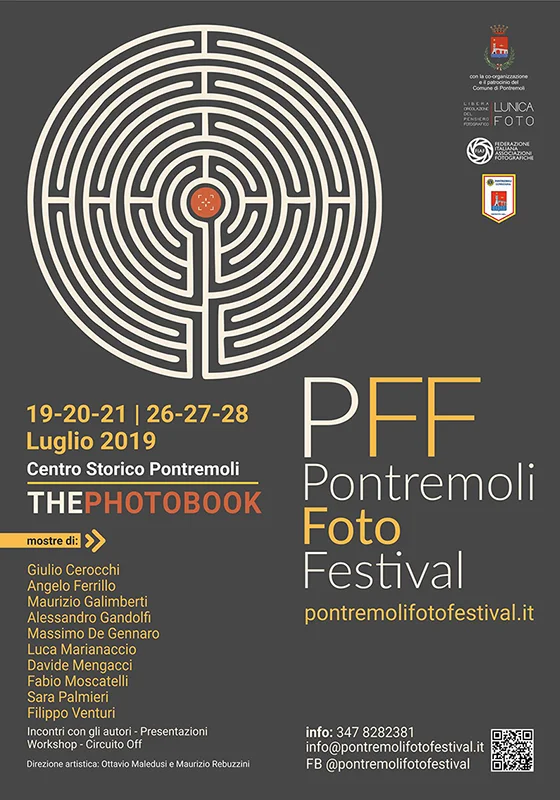
Il prossimo luglio sarò ospite del Pontremoli Foto Festival, con la mostra del mio lavoro “Korean dream”, sulla Corea del Nord, e la presentazione del mio libro sulla Corea del Nord e del Sud, intitolato “Korean dream, made in Korea”!

Si tratta di un giovane Festival, giunto alla sua 4° edizione, che ha saputo crescere e farsi conoscere molto rapidamente e, non a caso, sono in ottima compagnia vedendo l’elenco degli altri autori invitati.

Maggiori informazioni a ridosso dell’evento, il cui sito ufficiale è: www.pontremolifotofestival.it

Pubblicazione su Newsweek Japan /  by Filippo Venturi

Sulla rivista Newsweek Japan è uscita la pubblicazione del mio lavoro “2030 Birth of a Metropolis”, su Astana, la capitale del Kazakistan, ribattezzata in Nursultan a fine marzo, in onore del dimissionario Presidente Nursultan Nazarbayev.

Questo mio lavoro è attualmente in mostra a Mantova (informazioni qui) e dal 3 maggio sarà esposto al Bi Foto, Festival della Fotografia in Sardegna (informazioni qui).

Kolga Tbilisi Photo Award 2018 /  by Filippo Venturi

anna_calvi_der_spiegel.jpg

Il mio ritratto della cantante Anna Calvi, per il giornale tedesco Der Spiegel, è stato selezionato dalla giuria del Kolga Award International fra gli scatti migliori del 2018!

Questa fotografia sarà esposta al Festival della Fotografia di Tbilisi, in Georgia, e sarà pubblicata nel relativo catalogo.

Il Kolga Award, giunto alla 18° edizione, è il concorso fotografico più importante e prestigioso della Georgia. Lo scopo di tale premio è connettere la fotografia internazionale, la Georgia e la fotografia locale.

Sito ufficiale: www.kolga.ge/en

Pseudolo di Tito Maccio Plauto /  by Filippo Venturi

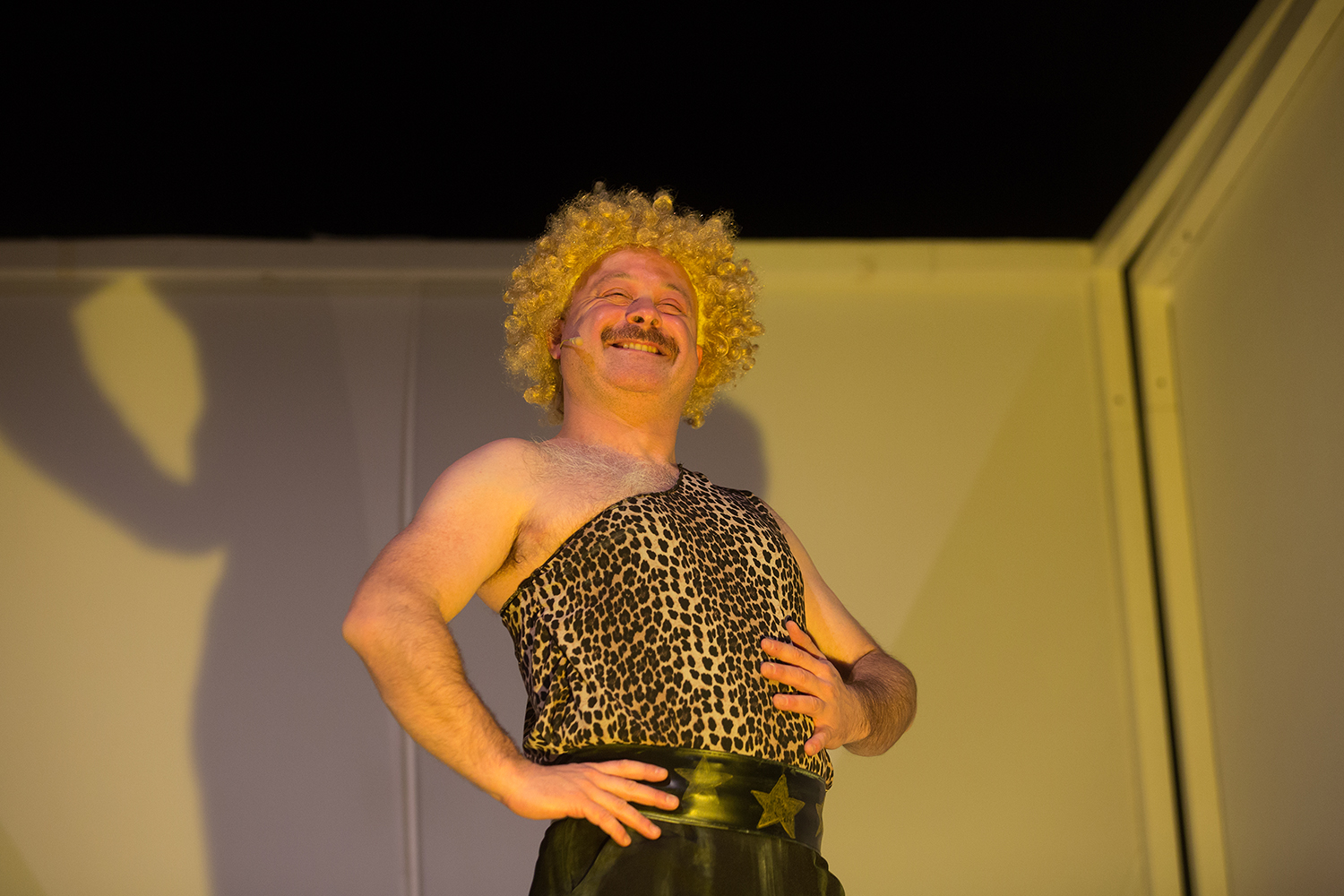
Teatro Europeo Plautino, nell’ambito di Plauto nelle Scuole 2018/2019, presenta
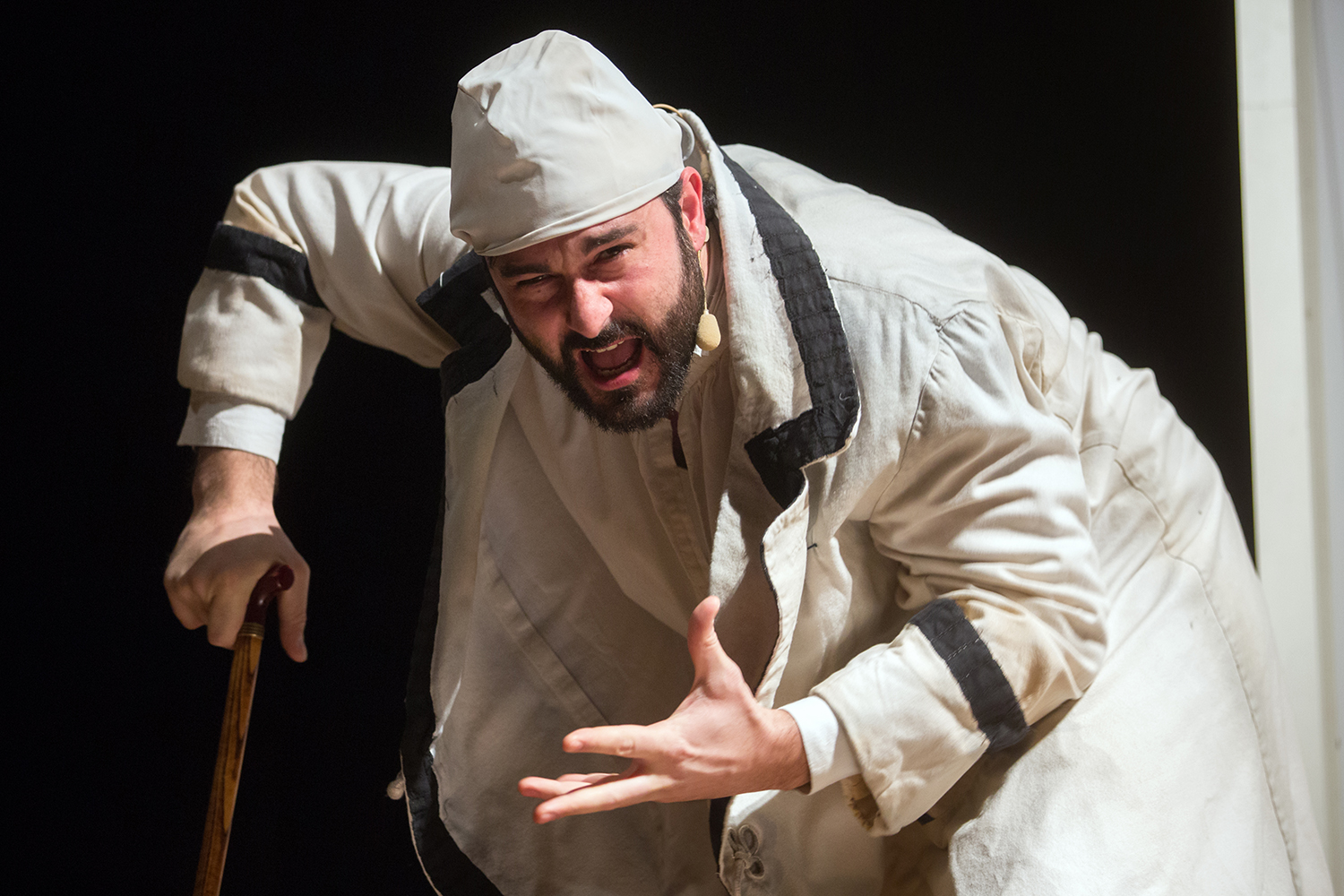
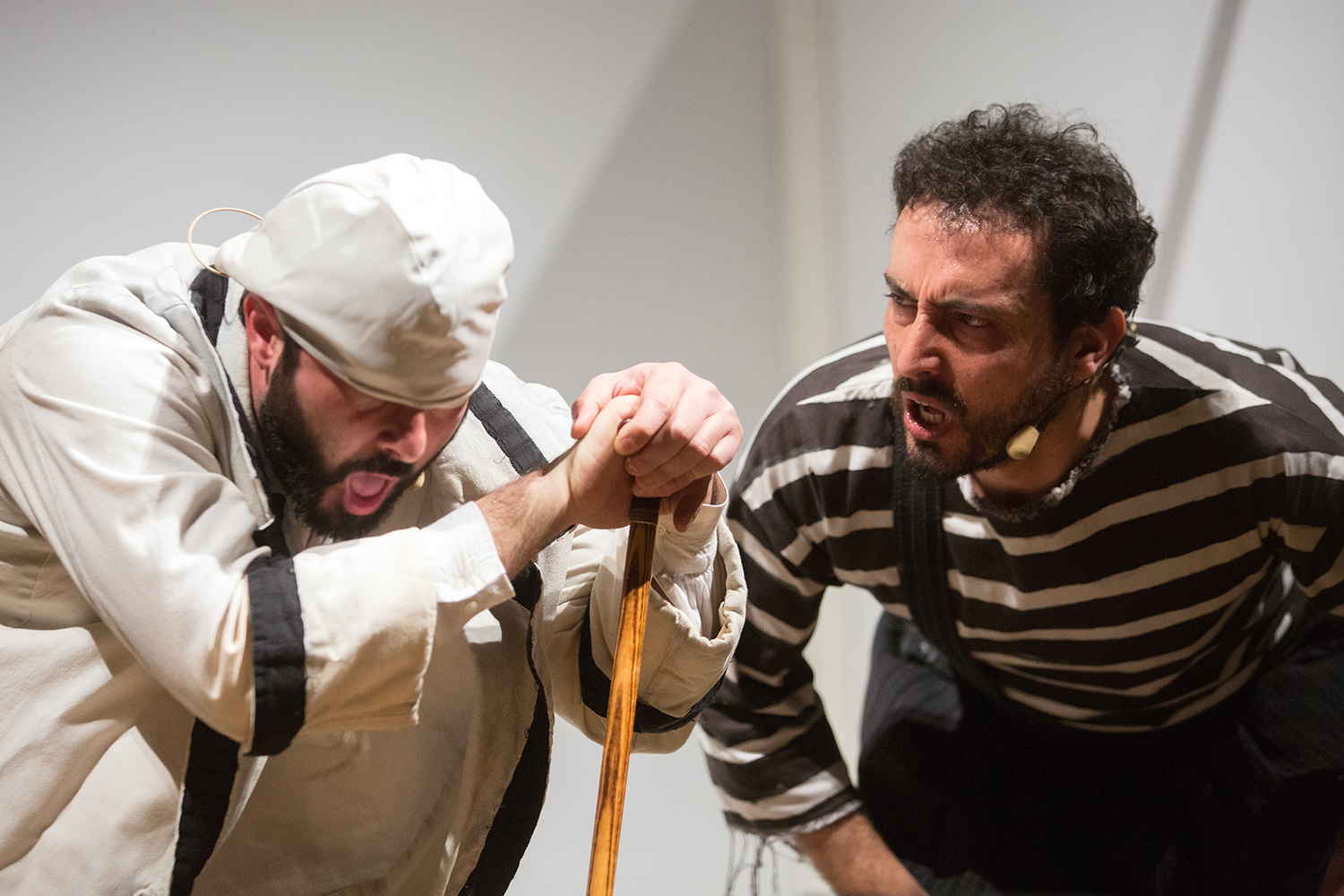
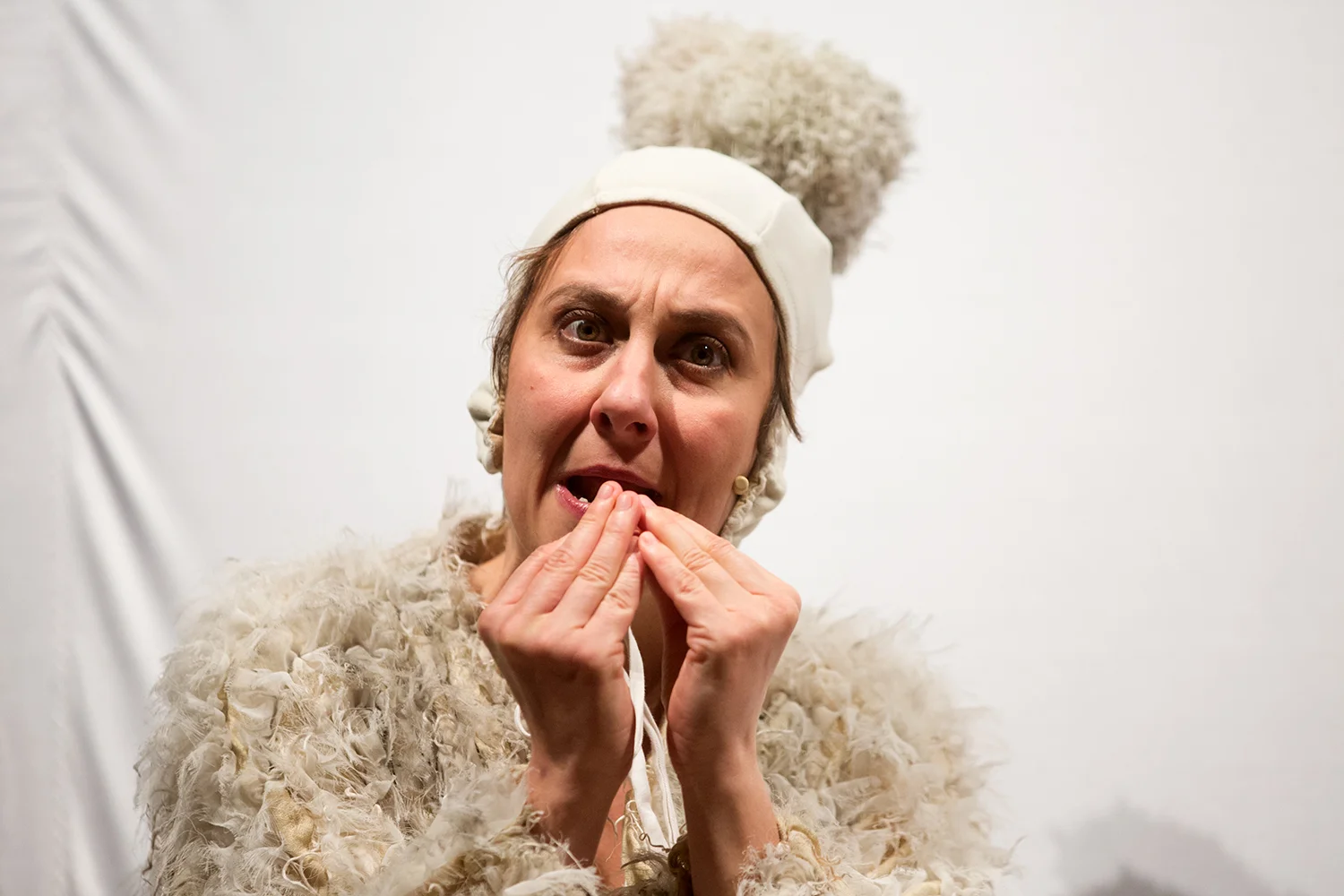
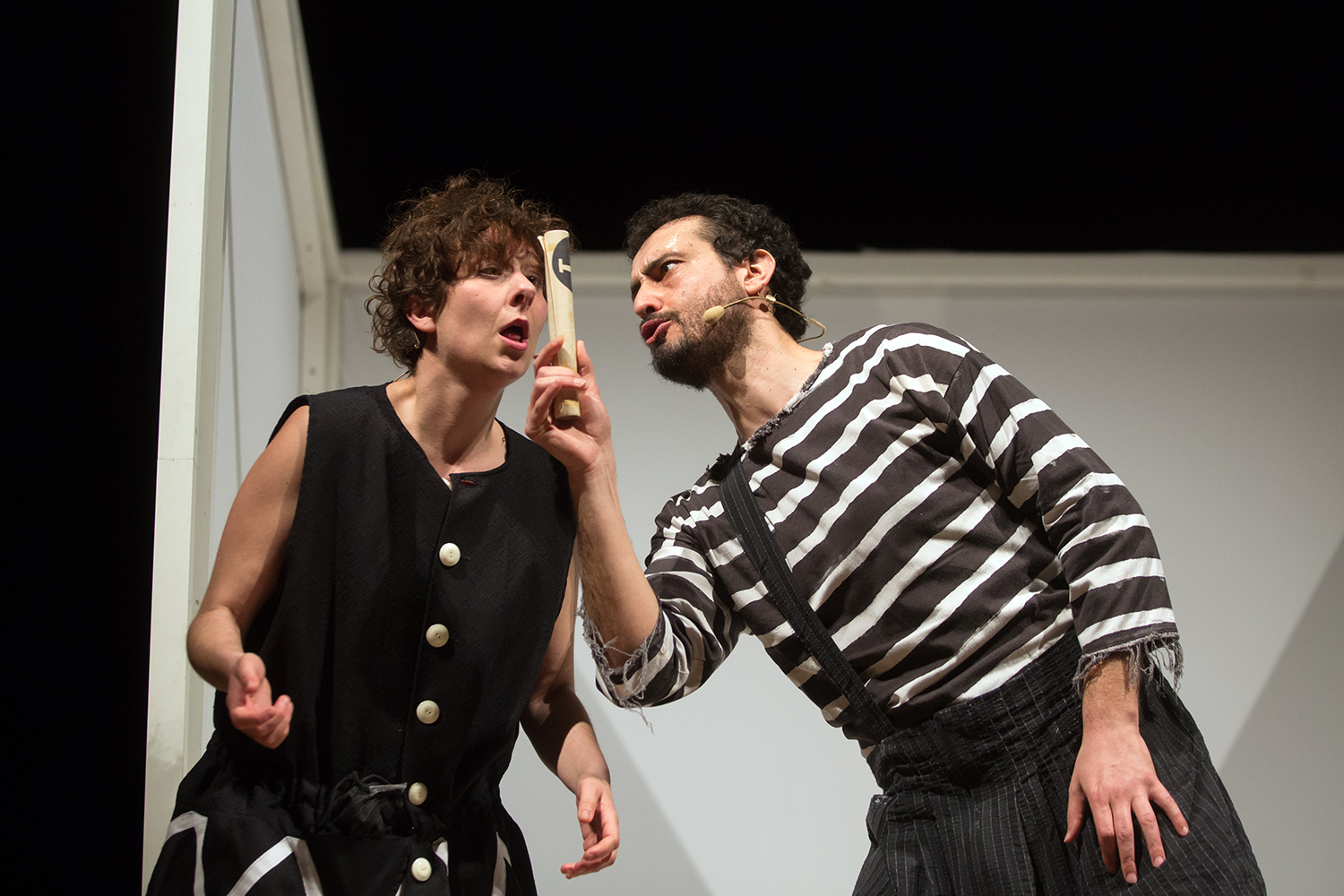
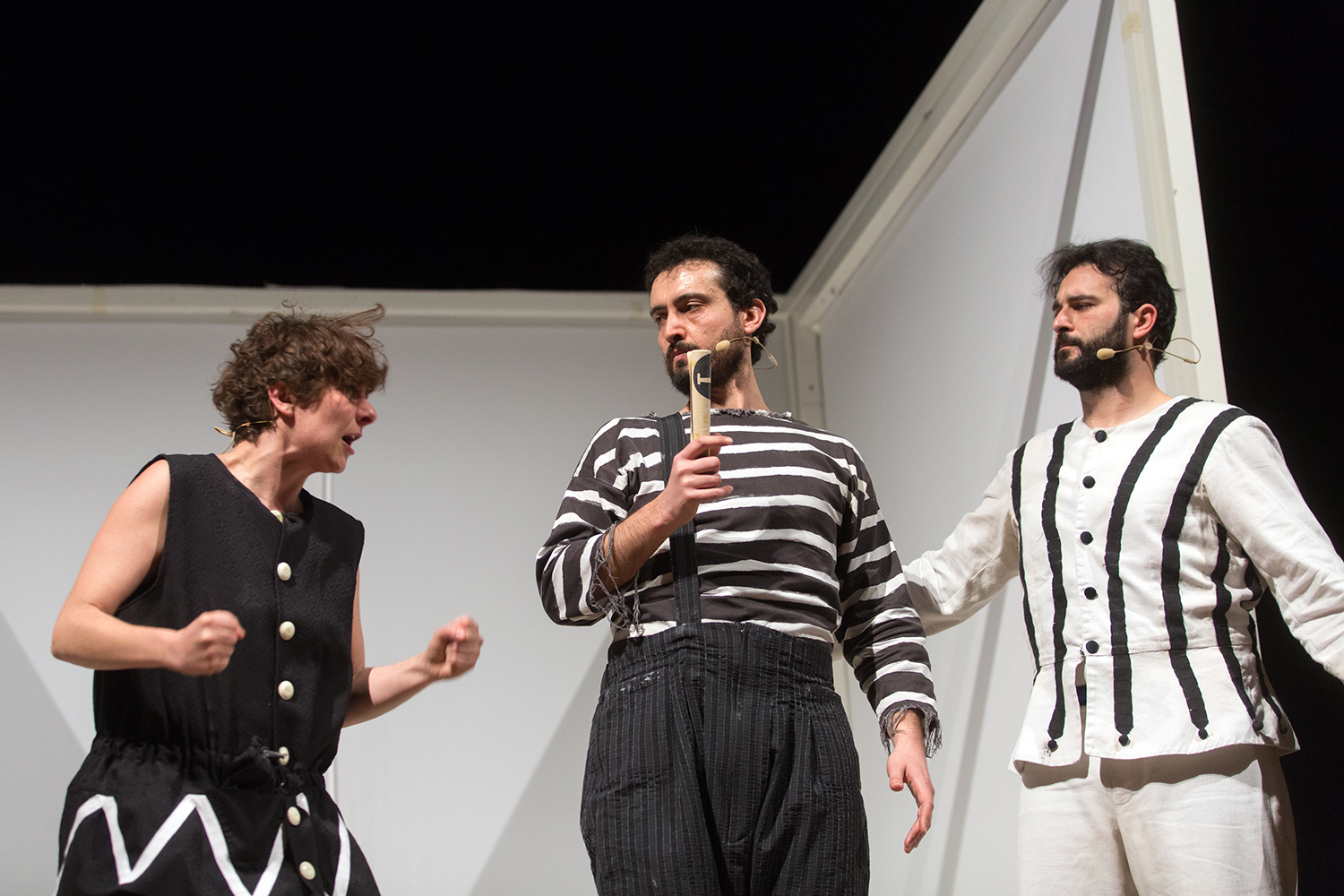
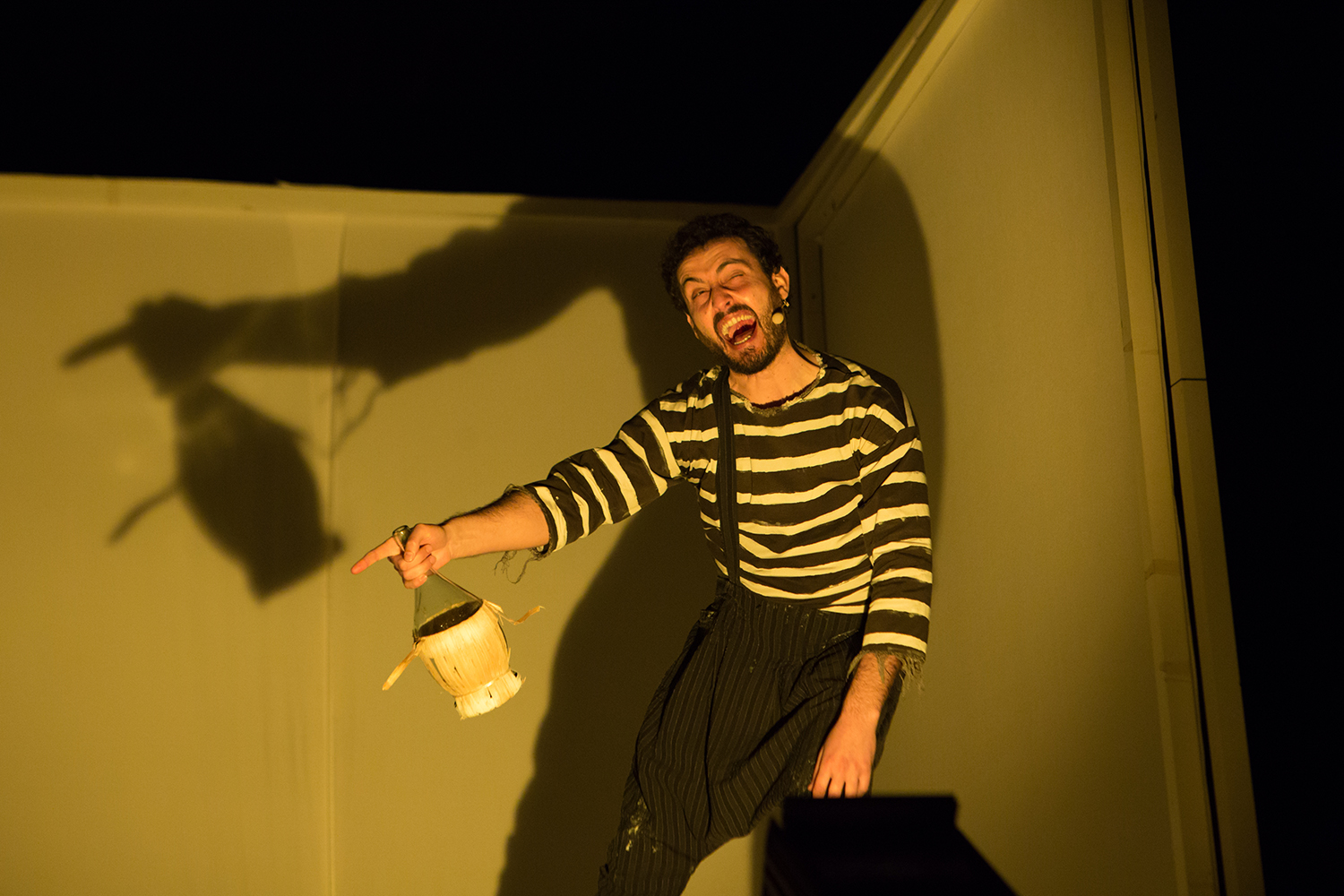
“Pseudolo” di Tito Maccio Plauto
Regia di Cristiano Roccamo, con
Simone Castano (Pseudolo)
Massimo Boncompagni (Ballione)
Gianluca D’Agostino (Calidoro, Simone, Cuoco)
Cecilia Di Giuli (Carino, Arpace, Scimmia).

La compagnia Teatro Europeo Plautino è la compagnia ufficiale del "Plautus Festival" e nasce da un'idea del direttore artistico Cristiano Roccamo: lo scopo è quello di riscoprire il teatro classico in generale e quello plautino in particolare, per avvicinare il pubblico a quello che è il patrimonio classico della cultura europea.

Teatro Europeo Plautino è molto di più di un centro di produzione teatrale: ogni anno infatti è attivo il progetto "Plauto nelle scuole", che coinvolge diversi istituti superiori della Penisola ed ha lo scopo di avvicinare il teatro classico ai giovani, si svolge il laboratorio teatrale per amatoriali a Sarsina e nei Comuni vicini e si dà vita a progetti europei nel settore del teatro e dell'innovazione culturale.

Il "Plautus Festival" è il festival ministeriale di teatro classico che si svolge ogni anno dal 1956 a Sarsina (FC), città natale del commediografo latino Tito Maccio Plauto. Da metà degli anni '90 il festival si svolge nella splendida cornice dell'Arena Plautina, a pochi chilometri dalla città di Sarsina. Ogni anno ospita i nomi più importanti del panorama teatrale italiano. E' inoltre un centro di produzione teatrale, grazie alle attività della compagnia ufficiale Teatro Europeo Plautino. Per onorare i 2200 anni dalla morte di Plauto, l'Unione Europea ha deciso inoltre di coniare una moneta a corso legale dedicata proprio al commediografo latino, che verrà messa in circolazione da maggio 2016 in oltre un milione e mezzo di copie.

PSEUDOLO
Cicerone ci racconta che Plauto “si divertiva” (gaudebat) in vecchiaia nel comporre Pseudolus, rappresentata per la prima volta nel 191 a.c. quando Plauto aveva circa sessant'anni. Calidoro era innamorato della cortigiana Fenicia ma era a corto di denaro. Un militare riscatta la fanciulla dal lenone Ballione. Pseudolo, servo di Calidoro, raggira il militare ed il lenone. Calidoro ottiene la sua amante e Pseudolo il suo vino. Come nel Miles Gloriosus, nello Pseudolus il servo è al centro della Commedia. Il servo di Plauto ha infatti ispirato nei secoli i più grandi autori teatrali come Molière, Ariosto, Goldoni, Shakespeare, Goëthe e Rossini; per questo, e non solo, si evince come Plauto sia il padre di tutto il teatro comico europeo. Una messa in scena semplice, senza quarta parete. Gli attori dialogano tra loro, si rivolgono al pubblico e lo interpellano. Ne vien fuori un allestimento che lascia spazio al gioco scenico, all'improvvisazione. Deverbia e Cantica accompagneranno gli spettatori negli intrecci Plautini messi in atto da personaggi grotteschi, anche grazie all'uso delle maschere che permettono agli attori di interpretare più personaggi. I sentimenti e gli affetti sinceri, quando ci sono, sono comici e non commoventi, motivo per cui, le commedie di Plauto erano di certo le più applaudite.

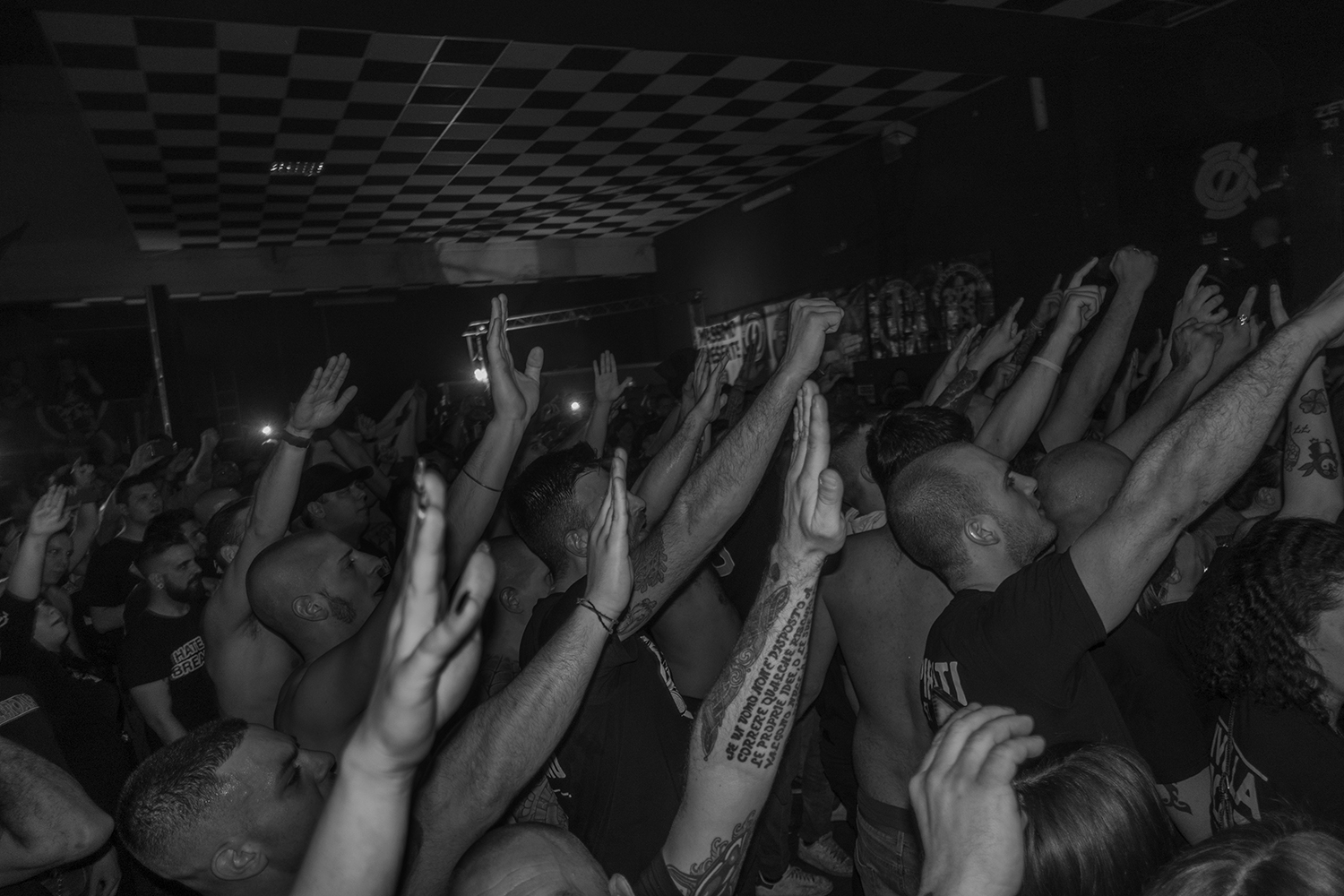
Zetazeroalfa concert in Milan /  by Filippo Venturi

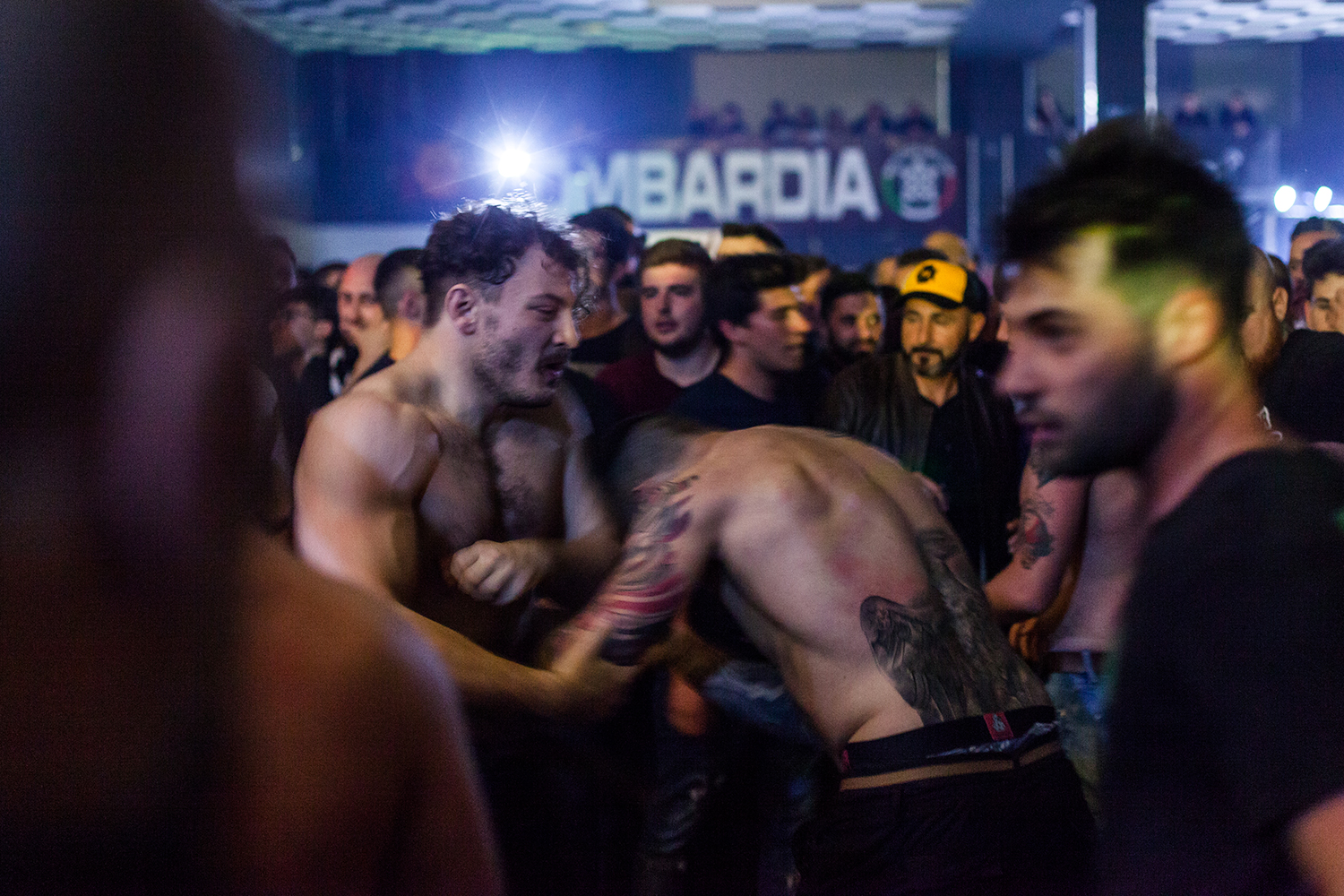
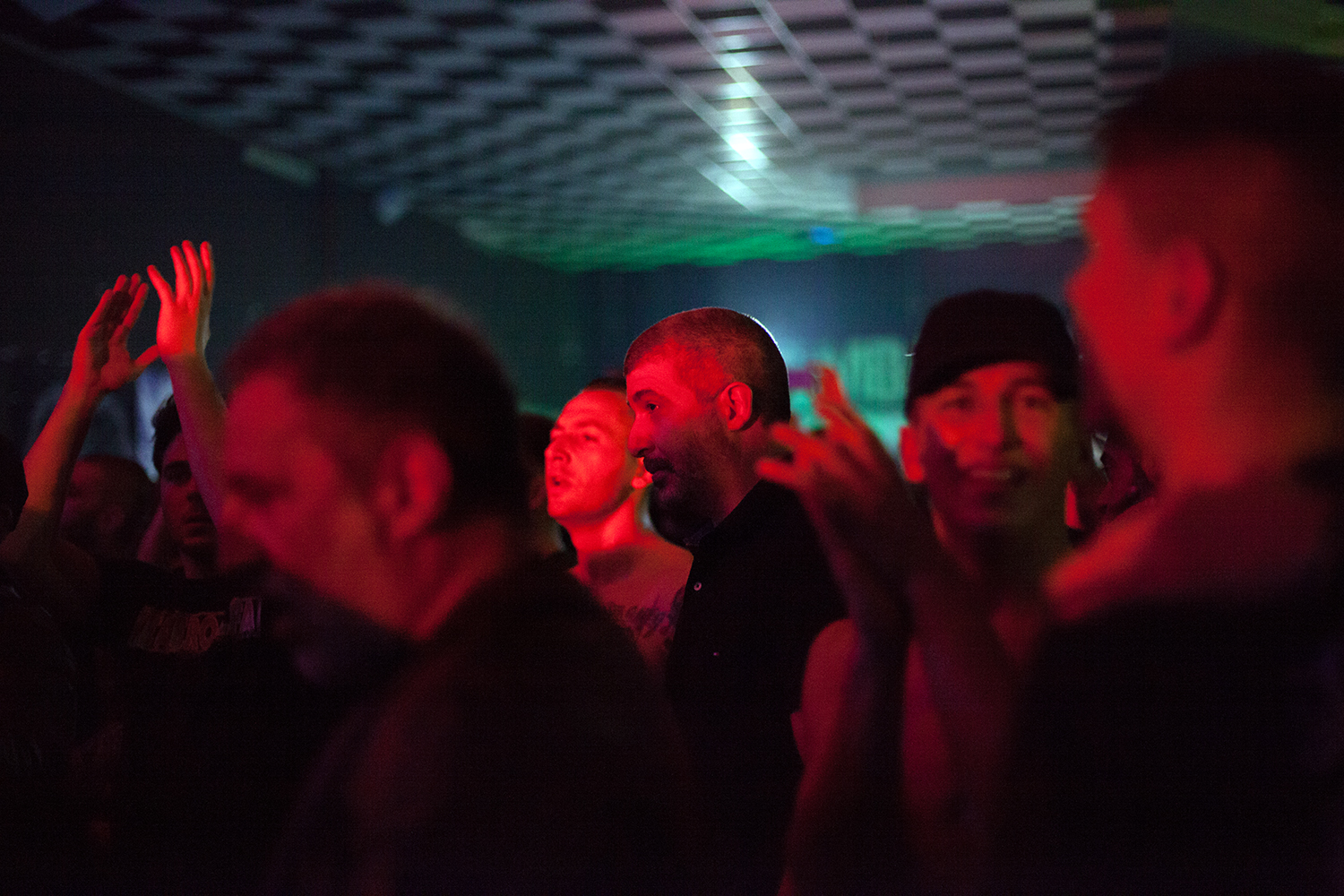
Si è svolto sabato 23 marzo il concerto degli Zetazeroalfa il cui frontman, Gianluca Iannone, è il fondatore di CasaPound (un partito politico italiano di estrema destra neofascista). L'evento è stato organizzato per celebrare i 100 anni della nascita dei "Fasci di Combattimento" (il movimento politico fondato a Milano da Benito Mussolini il 23 marzo 1919, che il 10 novembre 1921 si trasformò in Partito Nazionale Fascista) e per festeggiare i 20 anni della band. Nonostante le associazioni di sinistra abbiano provato a opporsi, l'evento si è svolto comunque in una location segreta, resa nota 24 ore prima dell'evento: lo "Space 25" in Via Toffetti. L’orario d’inizio era stato fissato alle ore 19.19, l'anno di fondazione dei "Fasci di Combattimento". Erano attese delegazioni anche straniere, per circa 2000 persone complessive.

The Zetazeroalfa concert took place on Saturday, March 23. The frontman, Gianluca Iannone, is the founder of CasaPound (an extreme right neo-fascist Italian political party). The event was organized to celebrate the 100th anniversary of the birth of the "Fasci di Combattimento" (the political movement founded in Milan by Benito Mussolini on March 23, 1919, which became the National Fascist Party on November 10, 1921) and to celebrate 20 years of the band. Although the leftist associations have tried to oppose it, the concert took place anyway in a secret location, announced 24 hours before the event (the "Space 25" in Toffetti Street). The start time was set at 7.19 pm (19.19), the year in which the "Fasci di Combattimento" were founded. Foreign delegations were expected, for a total of about 2000 people.

BìFoto Festival della Fotografia in Sardegna /  by Filippo Venturi

Il mio lavoro “2030 Birth of a Metropolis” su Astana, capitale del Kazakistan, dal 3 Maggio sarà esposto alla 9° edizione del “BìFoto, Festival della Fotografia in Sardegna”!

Trovo inoltre meraviglioso che le mie fotografie, vista la tematica futuristica, saranno allestite al Nuraghe Cuccurada Mogoro (i nuraghi sono costruzioni in pietra della civiltà nuragica, costruiti fra il 1800 e il 1100 a.c.), dove il tempo si è fermato e le pietre sono testimoni di una storia millenaria :)

BìFoto, Festival della Fotografia in Sardegna (www.bifoto.it)
La nona edizione, che inaugurerà il 3 maggio 2019, mira a consolidare il lavoro di organizzazione, curatela e sensibilizzazione alla fotografia condotto finora, ma si pone un obiettivo ancora più ambizioso: allargare fisicamente gli allestimenti dal solo comune di Mogoro (OR), luogo dove finora si è svolto il festival, a tutto il territorio dell'Unione dei Comuni Parte Montis e creare un festival diffuso e di comunità che porti l’arte fotografica in strada e non circoscritta ad un immobile, rendendo tutti i piccoli paesi di Mogoro, Masullas, Simala, Gonnostramatza, Siris e Pompu (OR) dei veri e propri musei a cielo aperto […]

Autori in Mostra
Silvia Alessi - Skin Project
Diego Bardone - Amatevi, idioti!
Giulia Bersani - Lovers
Giorgia Congia - Il Silenzio
Niki Gleoudi - Eros
Stefano Mirabella - Dom
Fausto Podavini - MiRelLa
Valeria Sanna - Le solitudini del 14
Filippo Venturi - 2030: Birthday of a Metropolis

Nuraghe Cuccurada Mogoro (www.nuraghecuccurada.it)
Il ciclopico insediamento pre-protostorico di Cuccurada a Mogoro è tra gli importanti siti nuragici isolani e, da tempo, è oggetto di studio da parte dell’Università e della Soprintendenza archeologica. Il nuraghe è dotato di un’originale planimetria architettonica che lo distingue da tutti gli altri nuraghi esistenti in Sardegna. Il complesso di Cuccurada, già noto per le esplorazioni di superficie condotte negli anni ’50 da Giovanni Lilliu e Cornelio Puxeddu, sorge sullo sperone meridionale di un altopiano basaltico dominante la piana del Campidano, allo sbocco della valle del Rio Mogoro. L’area archeologica comprende le spettacolari emergenze del nuraghe complesso polilobato, centralmente imperniato su un primitivo edificio a corridoio, a cui si appoggia il bastione composto da quattro torri periferiche. Le torri sono raccordate da cortine rettilinee che circondano un vasto cortile centrale dove si aprono gli accessi a quasi tutti i vani interni del monumento. C’è poi una poderosa struttura ciclopica a pianta ellittica, una muraglia recintoria megalitica a Sud-Ovest della struttura nuragica e i resti di strutture eneolitiche individuate tra gli spuntoni rocciosi lungo il pendio dell’altopiano

"2030 Birth of a Metropolis" a Mantova /  by Filippo Venturi

Foto16 Club Suzzara e Spazio Arrivabene2, in collaborazione con FPmag, presentano la Mostra Fotografica:

2030: BIRTH OF A METROPOLIS | di Filippo Venturi
Inaugurazione Sabato 6 aprile 2019 dalle ore 18 alle 20
Spazio Arrivabene2 in Via Arrivabene 2, Mantova
Orari: sab-dom 9-12.30 e 16-19, lun-ven su appuntamento (tel. 329 591 2864).

Alla presentazione introduzione alla mostra a cura di Sandro Iovine, direttore responsabile di FPmag.
La mostra è stata selezionata nell'ambito di SIMULTANEI, volti del contemporaneo, la call for entry ideata e realizzata da FPmag e Rufus Photo Hub in collaborazione con FOotofabbrica e Photolux.

Il 6 luglio 2018 il Kazakistan ha festeggiato il 20° anniversario della capitale, Astana. In precedenza era Almaty a godere di questo ruolo ma, nel 1997, il presidente Nazarbayev decise di nominare una nuova capitale in posizione più centrale, lontana da zone altamente sismiche e progettata a tavolino per trasformare quella che era una città di provincia (Akmola, rinominata Astana nel 1998) in una delle metropoli più moderne al mondo. Per raggiungere il suo scopo, il Kazakistan ha sfruttato gli enormi giacimenti di risorse naturali che possiede (il solo petrolio costituisce il 20% del PIL). Il progetto dovrebbe completarsi nel 2030. Dietro il sogno di Astana c’è Nursultan Nazarbayev, alla guida del paese da 28 anni e che, nelle ultime elezioni del 2015, ha ottenuto l’ennesima conferma come Presidente con il 97,75% dei voti. “La Dubai della steppa” — così viene chiamata — non mostra più traccia delle vecchie atmosfere sovietiche, ma rappresenta una città avveniristica, un desiderio di futuro e ricchezza, un’utopia di vetro e di riflessi che esibisce l’ambizione di un paese intero di ottenere il riconoscimento internazionale dal punto di vista politico e strategico, al centro dell’Eurasia e lungo la nuova Via della Seta. Alla vertiginosa crescita artificiale dell’architettura e dei costi per vivere nella città non sta però corrispondendo un’altrettanto rapido aumento della popolazione: oggi di 800.000 persone, ma che nelle previsioni avrebbe dovuto toccare il milione già nel 2012.

Filippo Venturi è un fotografo documentarista. I suoi lavori sono stati pubblicati su giornali come The Washington Post, Financial Times, Vanity Fair, Der Spiegel, Internazionale, Geo. Realizza progetti personali su storie e problematiche riguardanti l'identità e la condizione umana. Negli ultimi 3 anni si è dedicato a un progetto sulla penisola coreana che è stato premiato con il Sony World Photography Awards, il LensCulture Emerging Talent Awards, il Premio Voglino e il Portfolio Italia - Gran Premio Hasselblad.

Partners: FPmag | Rufus Photo Lab | Fotofrabbrica | Photolux

Evento Facebook Ufficiale

Allestimento di “2030 Birth of a Metropolis” esposto in precedenza a Photolux (Palazzo Ducale a Lucca)