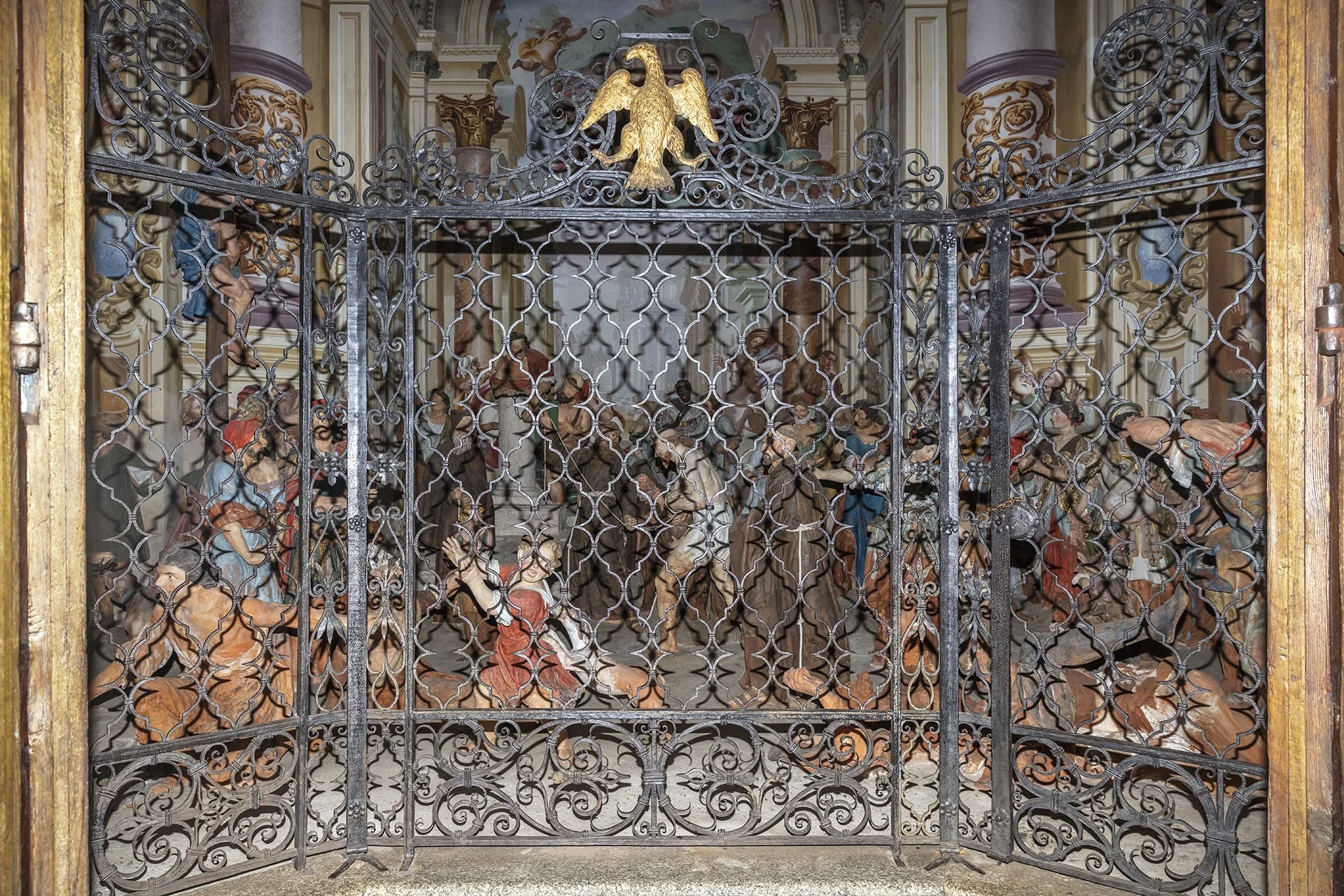
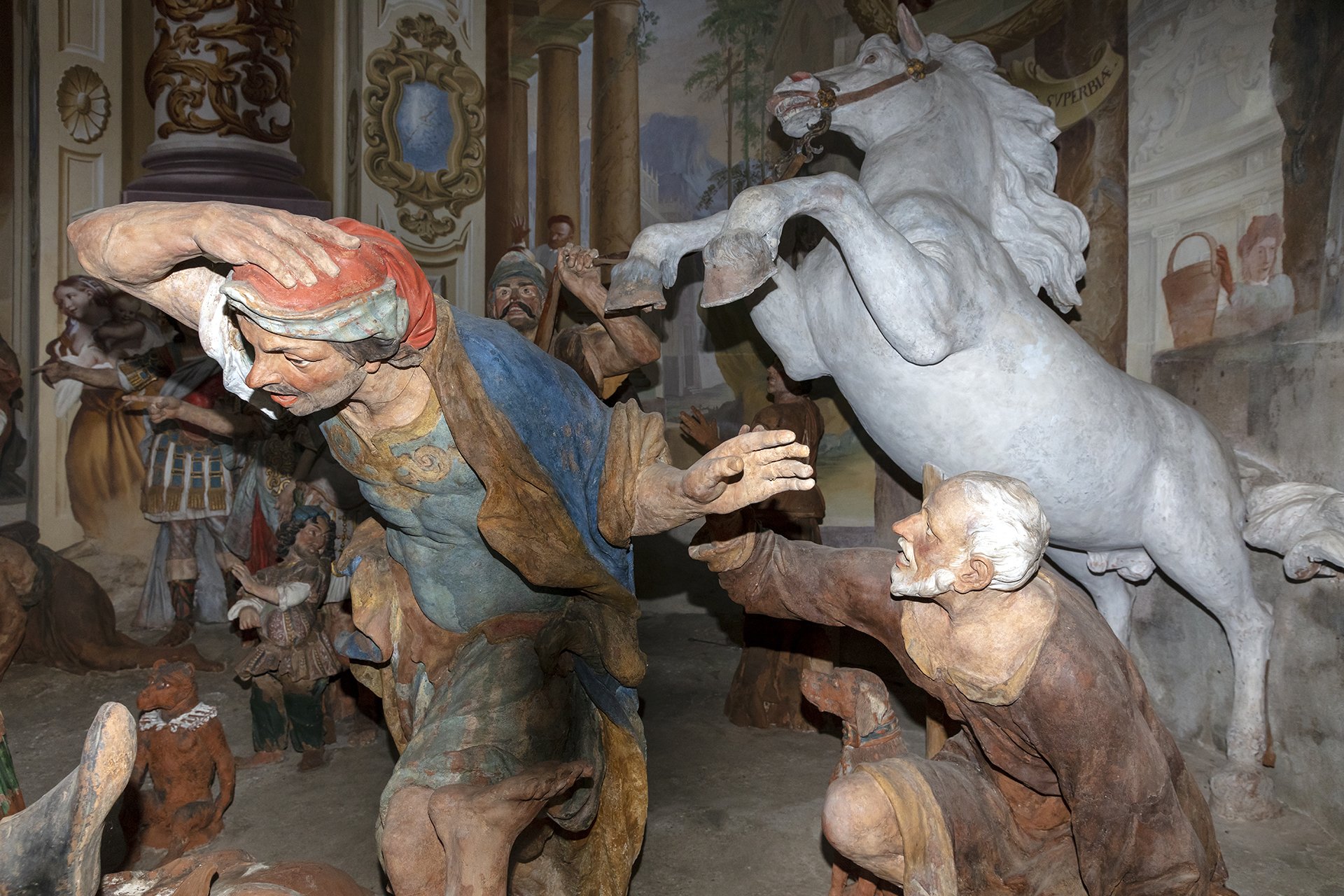
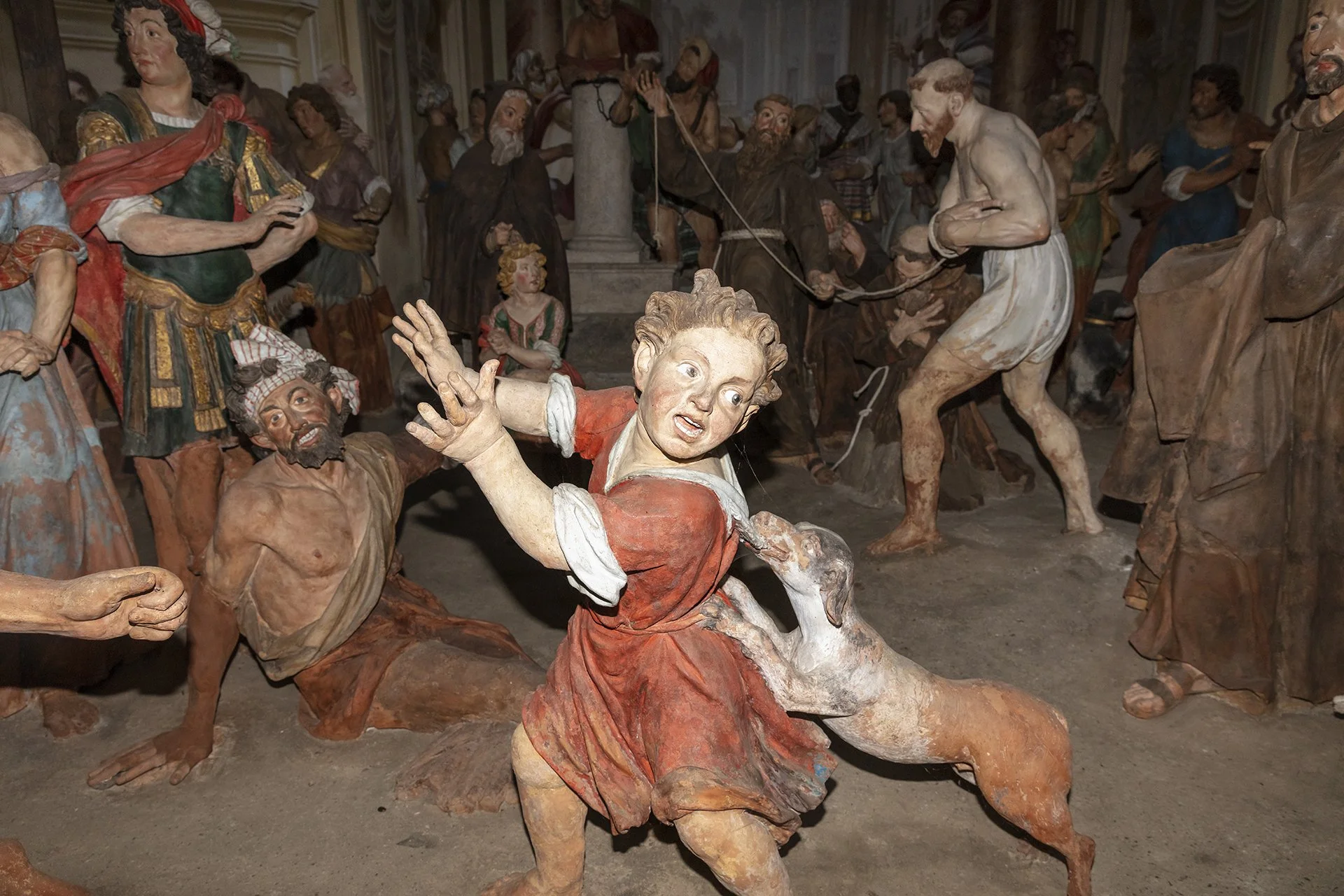
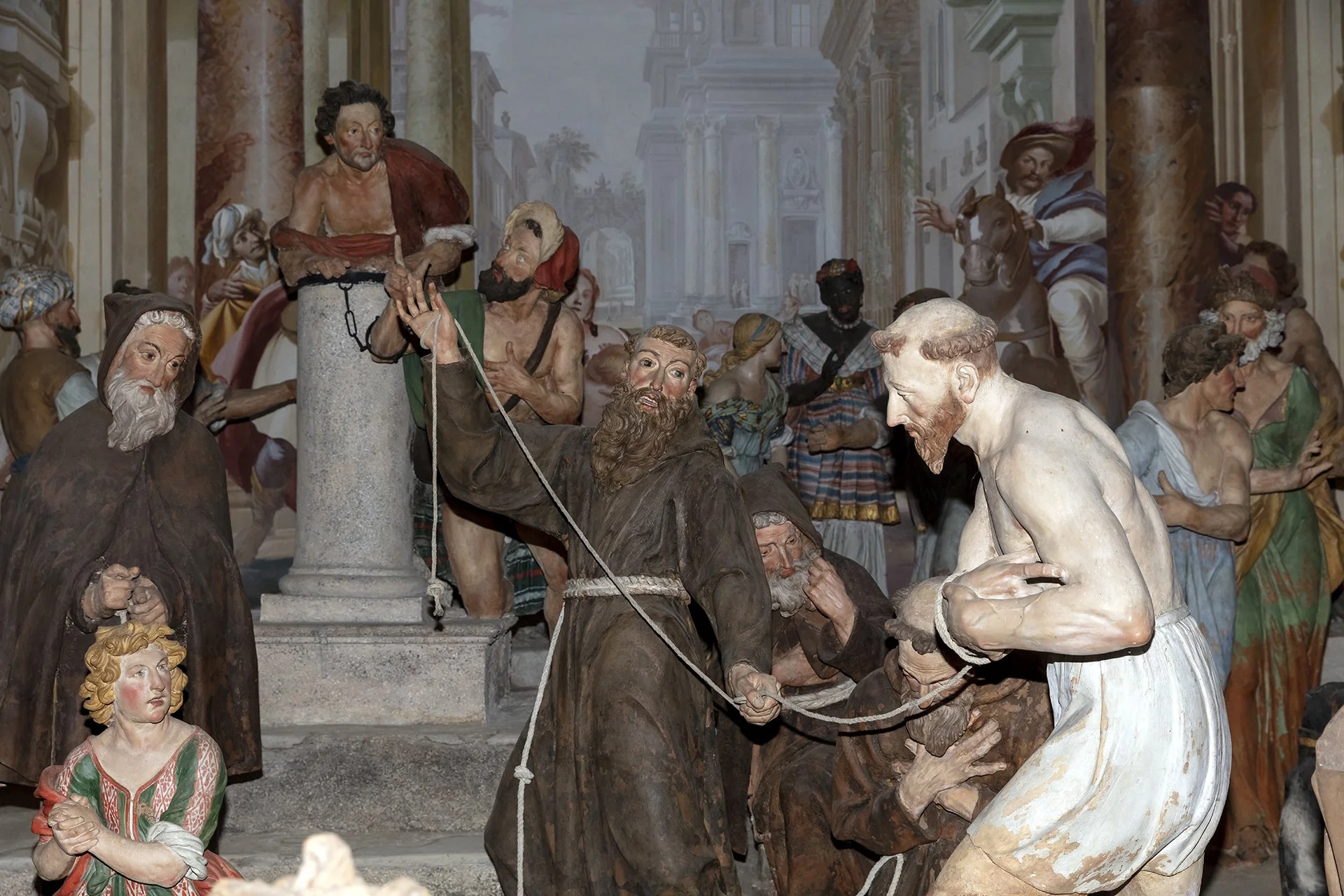
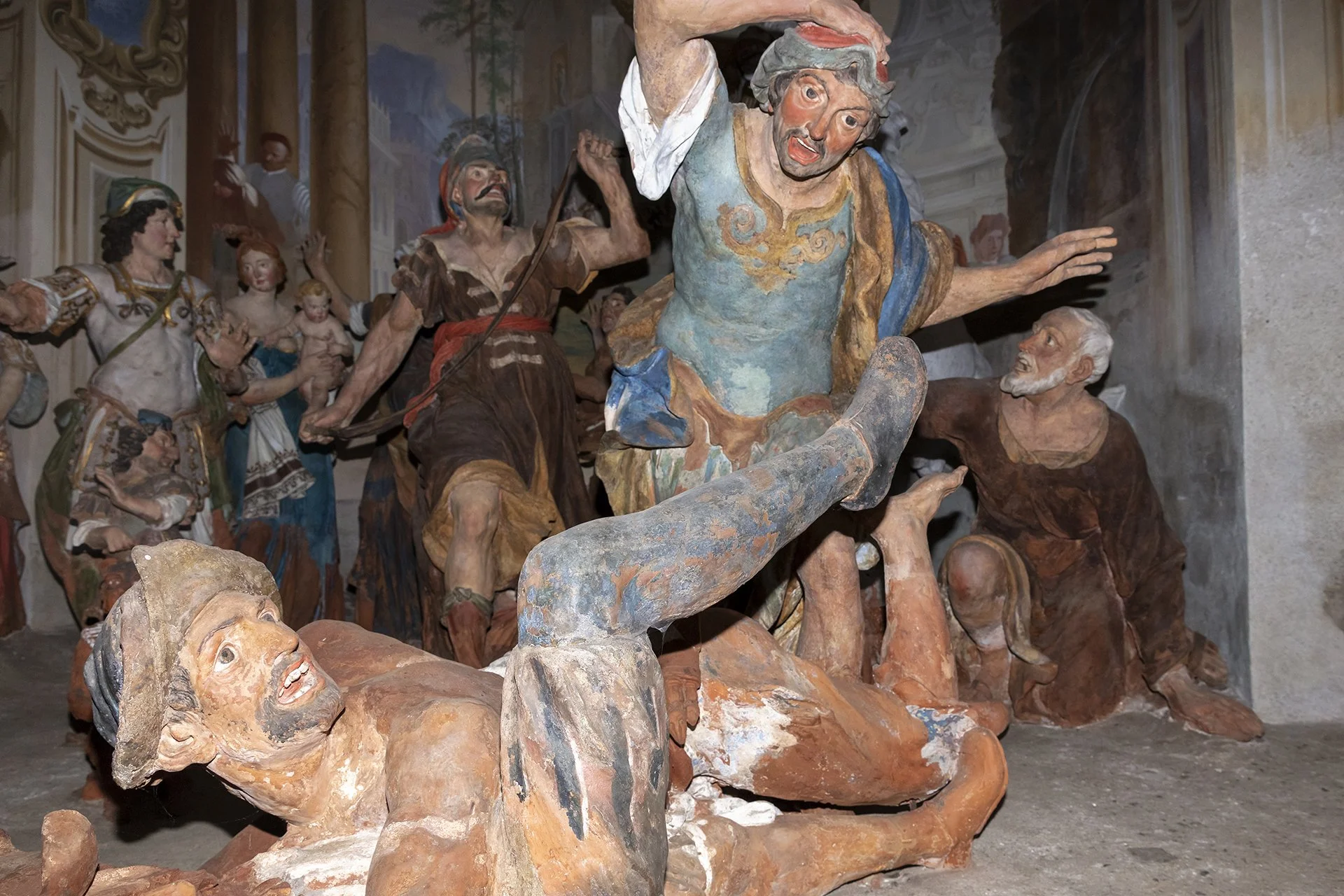
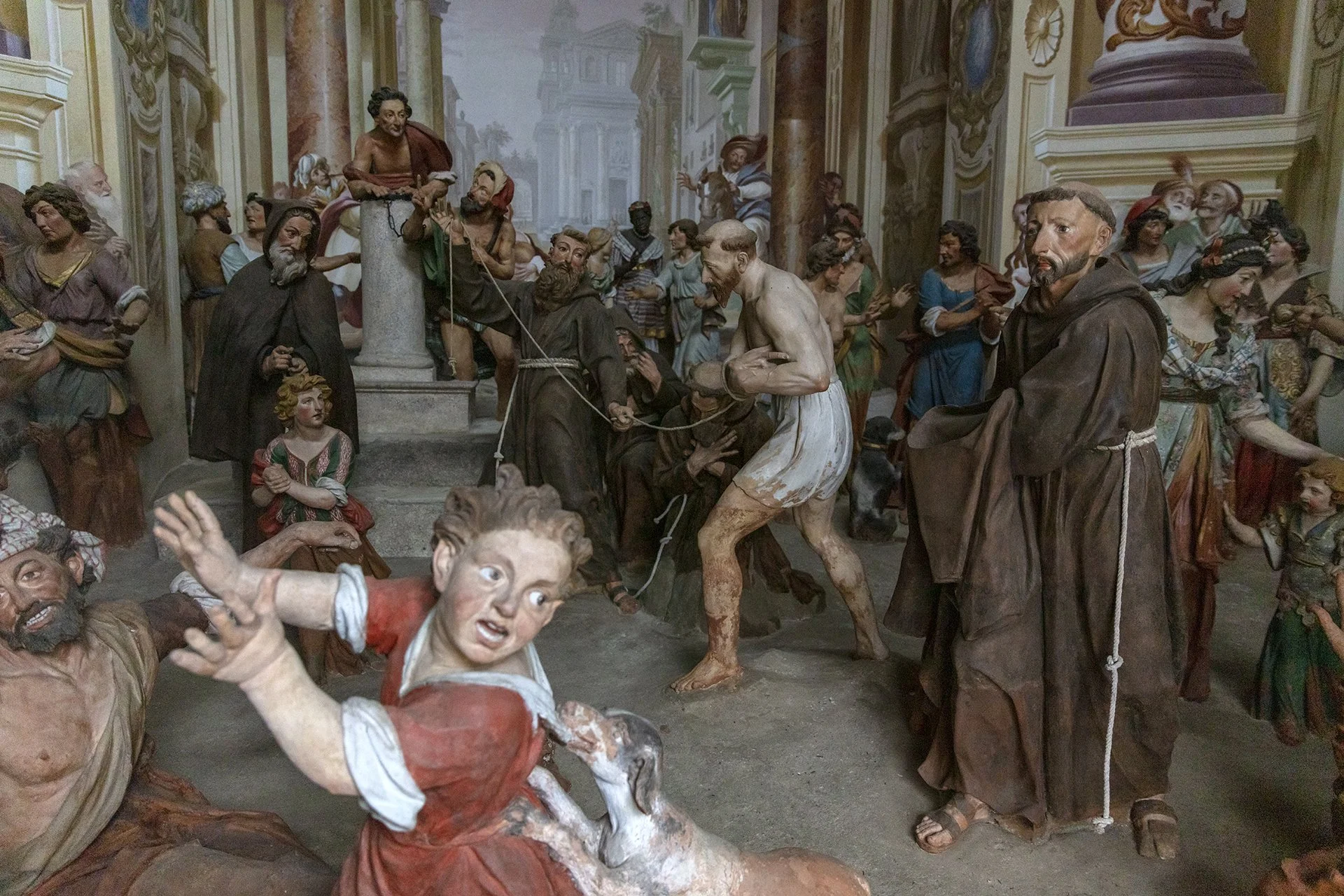
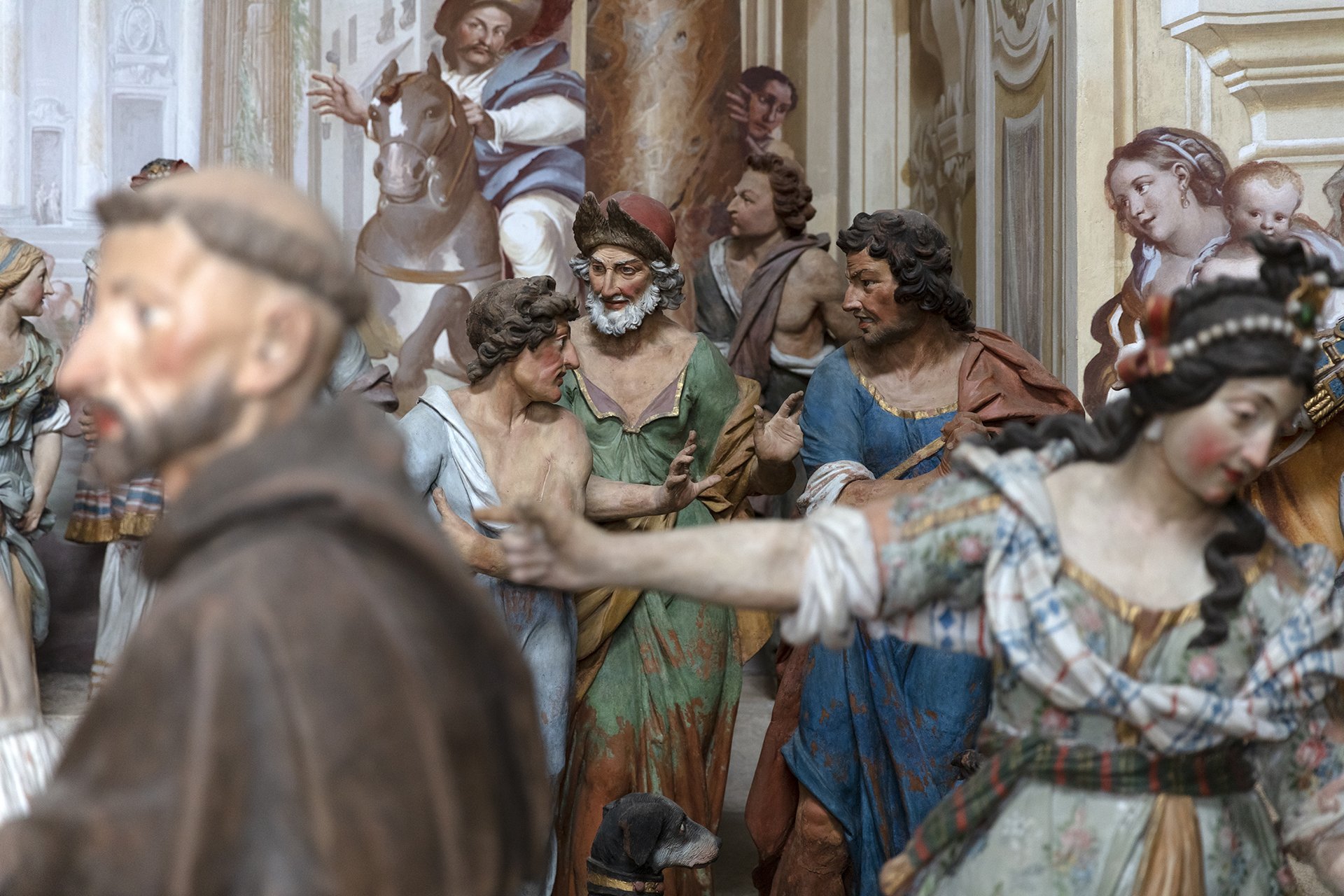
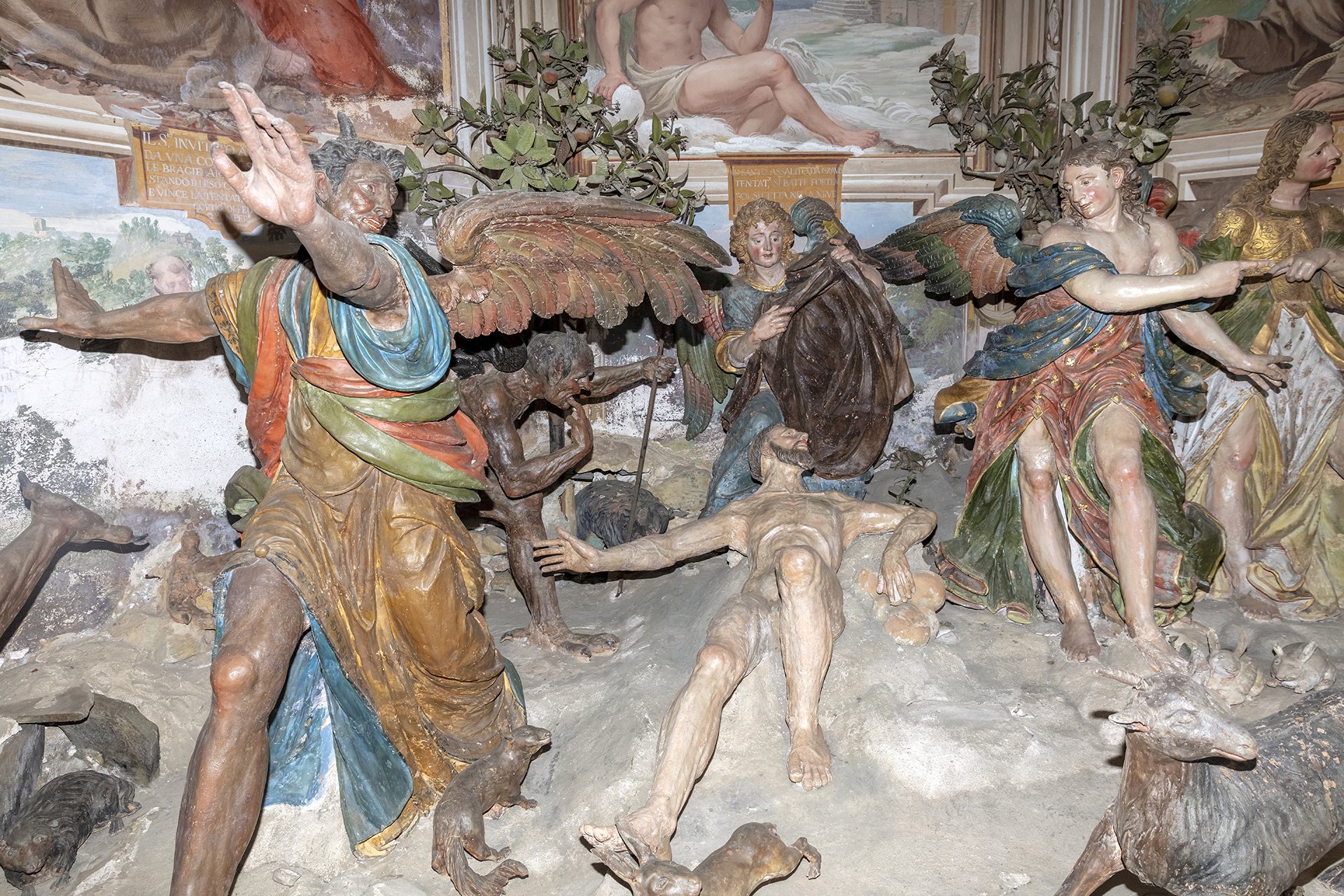
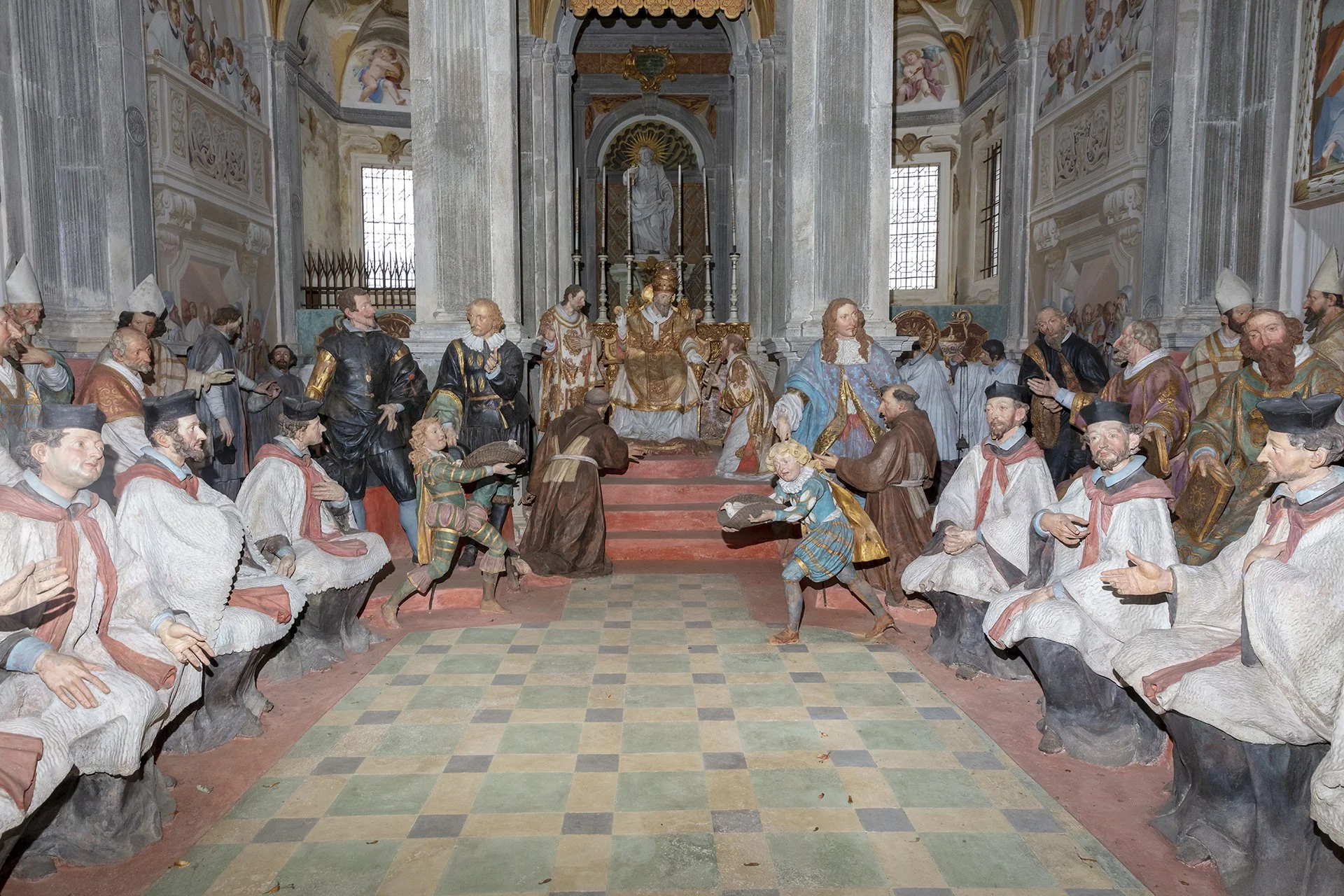
The Sacred Mountain of Orta is one of the nine Sacri Monti of Piedmont and Lombardy, inscribed as UNESCO World Heritage Sites. It is located in the municipality of Orta San Giulio, in the province of Novara.
The reasons that led to its recognition are as follows:
“This complex, the only one dedicated to Saint Francis of Assisi, was built in three phases. The first began in 1590 at the will of the local community and continued until around 1630; stylistically, it is characterized by Mannerism. In the second phase, which lasted until the end of the 17th century, the predominant style was Baroque, which then developed, during the third period, until the end of the 18th century into freer forms, blending with other influences. The complex consists of 20 chapels, the ancient Hospice of Saint Francis, a monumental gate, and a fountain. This sacred mountain is the only one whose layout has remained unchanged since the 16th century. The garden, with a magnificent view over Lake Orta, is of exceptional quality.”
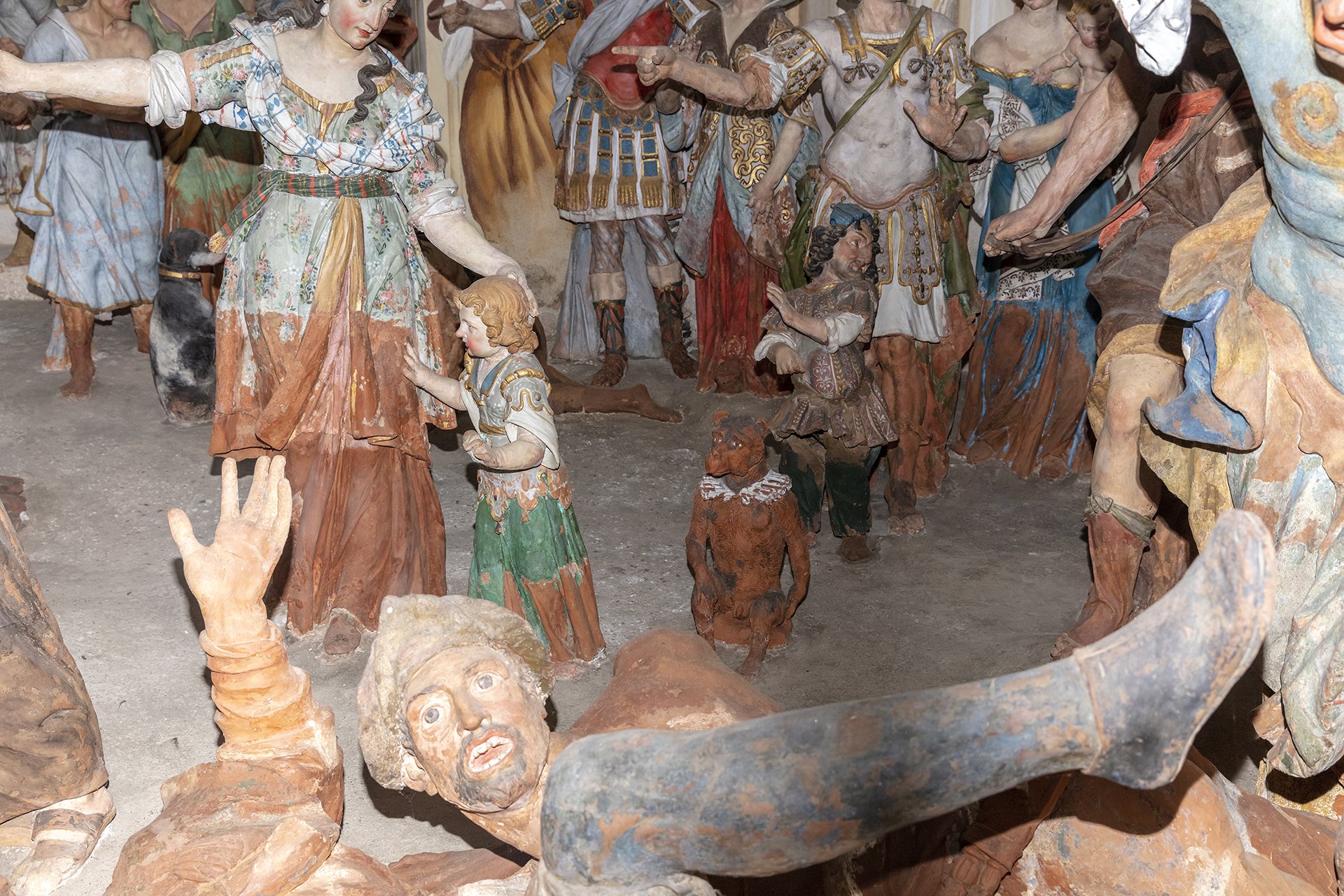
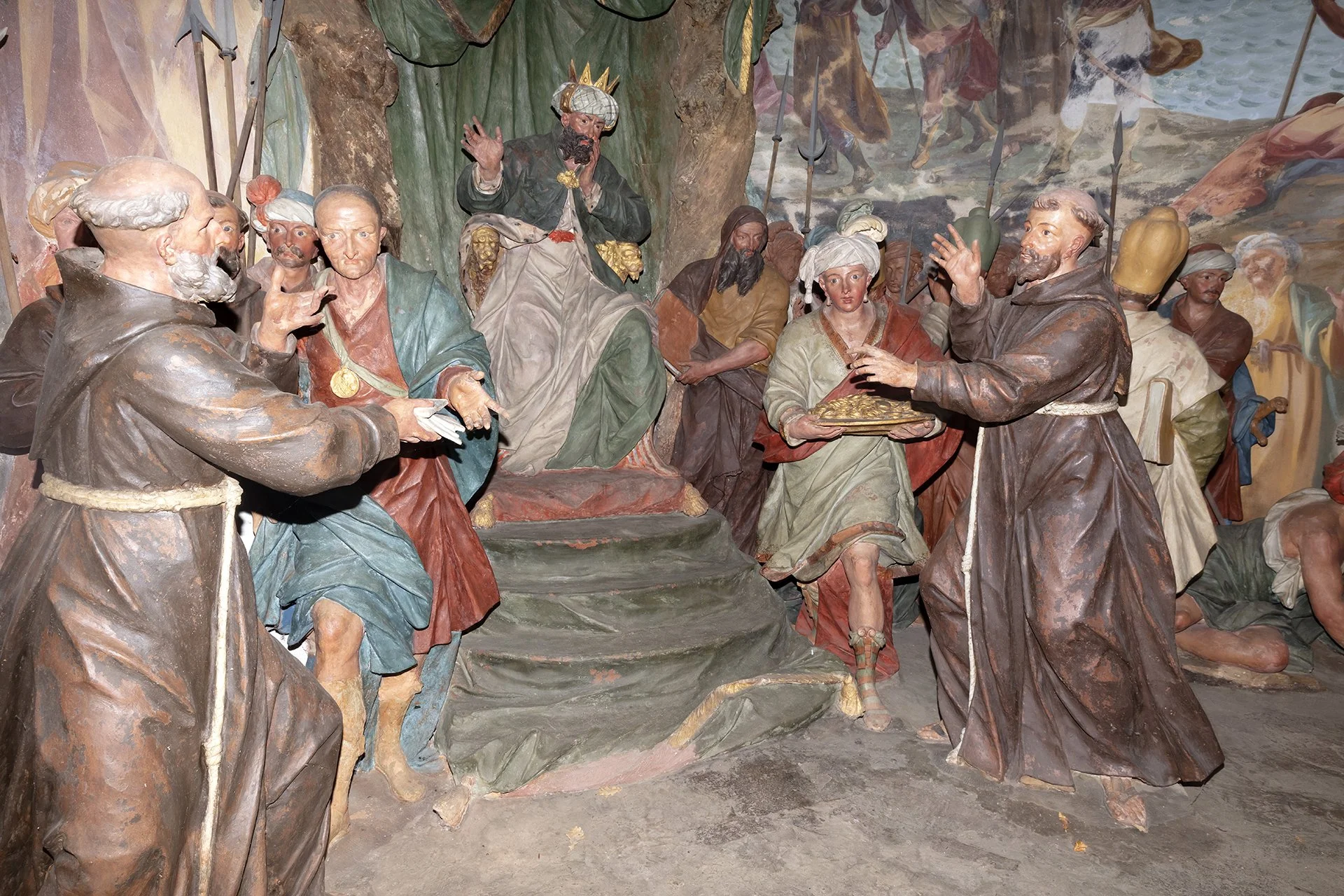
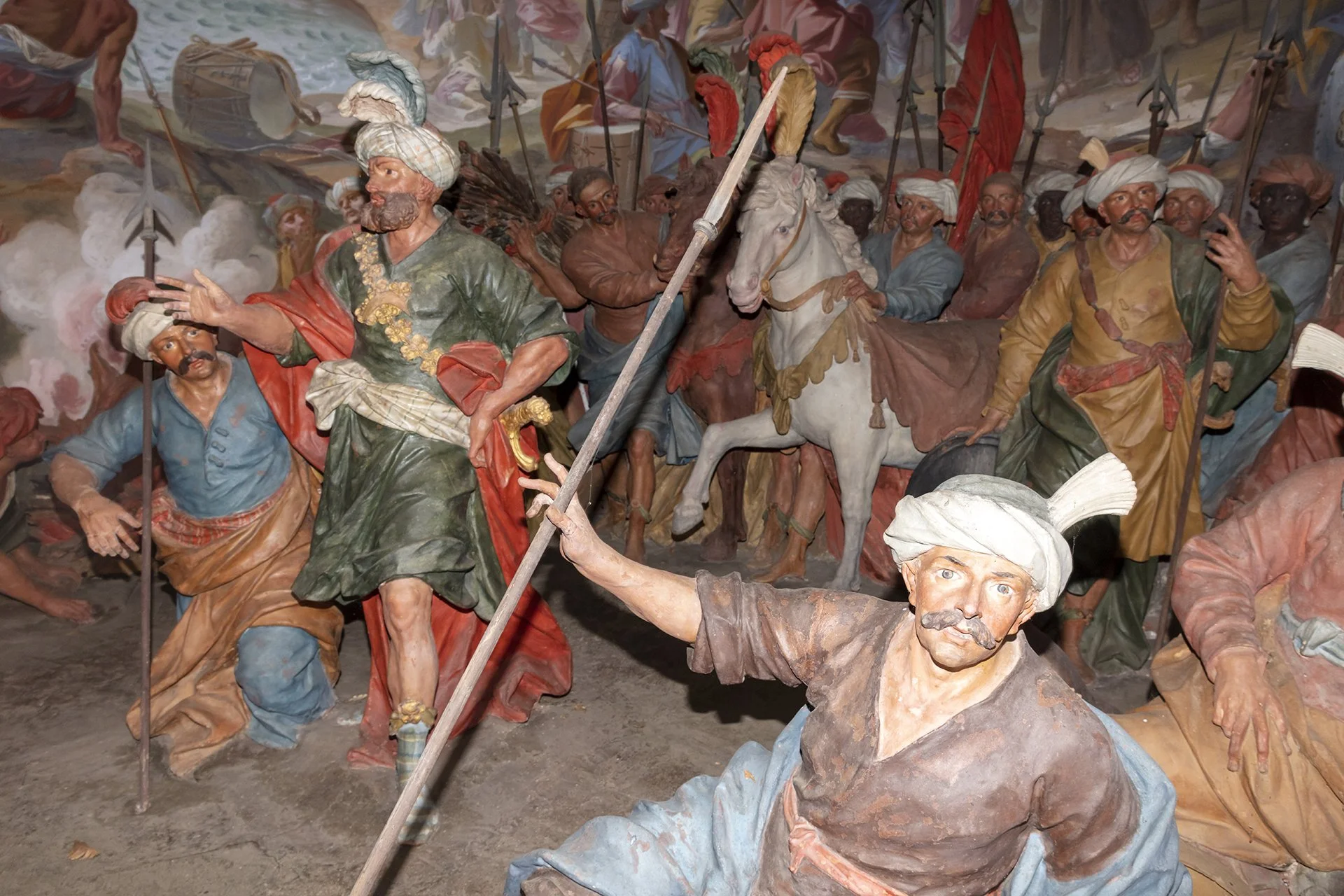
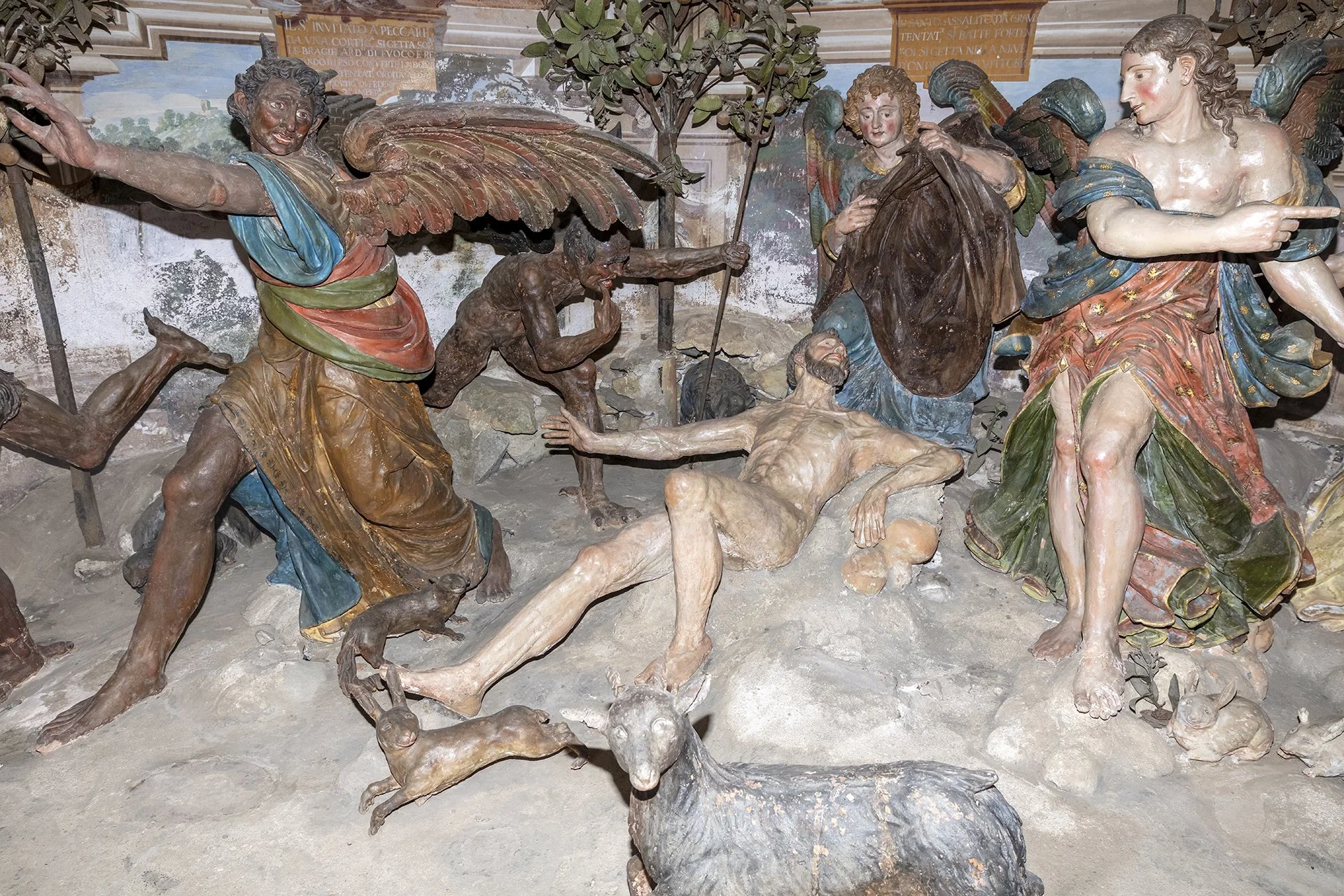
Unlike the other Sacred Mountains, the one in Orta is the only one entirely dedicated to a single saint. The 20 chapels that compose it depict episodes from the life and miracles of Saint Francis of Assisi, who is seen as embodying Christ and living out his mystical and charitable experience. In keeping with the idea common to all the Sacred Mountains—to offer a theatrical representation of events—inside the chapels there are groups of life-sized painted terracotta statues (376 in total), along with numerous frescoes depicting episodes from the saint’s life that serve as a backdrop to the sculptural groups.
On the entrance arch there is a statue of the saint by Dionigi Bussola; the inscription on the arch’s frieze reads: “Here, in ordered chapels, one sees the life of Francis; if you wish to know the author, it is Love.”
Of the 32 chapels originally planned, 20 were built.
Il Sacro Monte di Orta fa parte del gruppo dei nove Sacri Monti alpini in Piemonte e Lombardia considerati patrimoni dell'umanità e si trova nel comune di Orta San Giulio in provincia di Novara.
Le motivazioni che hanno portato al riconoscimento così recitano:
«Questo complesso, il solo dedicato a San Francesco d'Assisi, fu costruito in tre fasi. La prima, che ebbe inizio nel 1590 per volere della comunità locale e che continuò fin verso il 1630; essa è contraddistinta, come stile, dal manierismo. Nella seconda fase, che durò fino alla fine del XVII secolo, lo stile predominante fu il barocco, stile che si sviluppò poi, durante il terzo periodo, sino alla fine del XVIII secolo, in forme più libere fondendosi con altre influenze. Il complesso consiste di 21 cappelle, l'antico Ospizio di San Francesco, una porta monumentale ed una fontana. Questo sacro monte è l'unico a non aver subito cambiamenti nel suo assetto topologico dopo il XVI secolo. Il giardino, con una magnifica vista sul lago di Orta, ha una qualità eccezionale.»
A differenza degli altri Sacri Monti, quello di Orta è l'unico interamente dedicato a un santo, le 20 cappelle che lo compongono raffigurano infatti episodi della vita e dei miracoli di San Francesco d'Assisi, che incarna in sé la figura di Cristo e ne vive l'esperienza mistica e caritatevole. In coerenza con l'idea, comune a tutti i Sacri Monti, di offrire una rappresentazione teatrale degli eventi, all'interno delle cappelle si trovano gruppi di statue di terracotta dipinta a grandezza naturale (nel complesso sono 376) e numerosi affreschi raffiguranti episodi della vita del santo che fanno da sfondo ai gruppi statuari.
Sull'arco di ingresso si trova una statua del santo a opera di Dionigi Bussola, l'iscrizione sul fregio dell'arco riporta la scritta «Qui in ordinate cappelle si vede la vita di Francesco, se desideri saperlo l'autore è l'amore».
Delle 32 cappelle previste ne sono state realizzate 20.