Censura

The Two Koreas: Over Ten Years of Photographic Research /  by Filippo Venturi

KOREAN PENINSULA

Three main chapters, four stories and a documentary and photographic project spanning both countries, from the younger generations of South Korea to life under the Pyongyang regime, and the testimonies of those who have escaped from the North.

by Filippo Venturi

General Introduction

Since 2014, I have been carrying out a photographic and documentary research project on the Korean Peninsula, exploring the profound differences, but also the surprising similarities, between two countries divided by history and shaped by radically different political, economic and social systems.

Through journeys, photographs, encounters and personal testimonies, the project investigates the relationship between individuals and society, the aspirations of younger generations, social pressure, propaganda and control, while questioning the meaning of freedom and the desire to shape one's own future.

The project stands out for the breadth and continuity of its research, developed through several journeys and different narrative approaches: from South Korean society to life under the North Korean regime, and the testimonies of those who have escaped from the North and rebuilt their lives in the South. These three perspectives make it possible to observe the peninsula not only through its political division, but also through the individual experiences of those who live within it.

At its core are three chapters — Made in Korea, Korean Dream and Awakenings — exploring South Korean society, North Korean society and the experiences of those who have moved from one to the other, respectively. These are accompanied by thematic photo essays, in-depth explorations and travel accounts that broaden the research, offering further perspectives on life in the two Koreas.

The Three Main Chapters

01. Made in Korea (South Korea)

An investigation into the younger generations of South Korea, who have grown up in a country that has experienced extraordinary economic and technological development. Behind the image of modernity and efficiency emerge intense competition, social expectations and the contradictions of a system that demands excellence from its young people.

02. Korean Dream (North Korea)

A photographic reportage from inside one of the most isolated and tightly controlled countries in the world, where propaganda and the cult of leadership shape everyday life. The project focuses primarily on younger generations, examining the relationship between education, ideology and individual aspirations, including through what the regime chooses to reveal.

03. Awakenings (North and South Korea)

The third chapter of the research connects the two Koreas through the stories and testimonies of North Koreans, particularly women, who have escaped the regime and reached South Korea. Through their experiences, the project explores the difficulties of escaping, the weight of memories and the complex process of rebuilding a life in a society profoundly different from the one they left behind.

Having documented the two societies separately, the research turns its attention to those who have experienced both, offering a perspective on the division of the peninsula and its consequences for individuals.

Four Stories and Further Explorations

04. Prison Inside Me (South Korea)

A photographic reportage on a centre near Seoul where people voluntarily choose to confine themselves in small, cell-like rooms, giving up technology and contact with the outside world. A paradox that reveals the need for isolation and silence in a society characterised by a relentless pace of life, competition and stress.

05. Suneung (South Korea)

The Suneung is South Korea's national university entrance examination, an event that can determine the future of hundreds of thousands of students. An account of the pressure placed on young people and their families in a society where academic achievement is closely linked to career opportunities and social prestige.

06. North Korean Diary (North Korea)

A travel diary bringing together encounters, episodes, observations and behind-the-scenes accounts of my experience in North Korea. A personal narrative that goes beyond the photographs, exploring the country's contradictions and the difficulties of working as a photojournalist under the surveillance and restrictions imposed by the regime.

07. North Korea by Train (North Korea)

A photographic reportage produced during a train journey from the Chinese border to Pyongyang. Through the train window, without the supervision of government guides, I was able to observe and photograph the countryside, villages and scenes of everyday life freely, away from the routes and official representations arranged by the regime.

The Book, Awards and Recognition

Over the years, the project on the Korean Peninsula has received numerous international awards and distinctions, including the Sony World Photography Awards, the LensCulture Emerging Talent Awards, Portfolio Italia – Gran Premio Hasselblad, the Premio Voglino, the Premio Il Reportage, the New Talents award by Fondazione Fotografia Modena, and recognition from the Gomma Photography Grant.

The works have been exhibited at major international venues and festivals, including Somerset House in London, MACRO in Rome, U Space in Beijing, Willy Brandt Haus in Berlin and the Festival della Fotografia Etica in Lodi.

In 2018, the photobook Made in Korea ∞ Korean Dream was published by emuse, bringing together the first two chapters of the research. The bilingual volume, featuring texts by Filippo Venturi and Junko Terao (a journalist at Internazionale), contains 63 photographs and places the two Koreas in dialogue, highlighting their differences, similarities and contradictions.

Its distinctive editorial design, allowing the book to be read from either end, reflects the comparison between two seemingly opposing realities connected by a shared history.

In 2023, I curated the Seoul–Pyongyang pavilion as part of Countless Cities, the Biennial of the World's Cities, organised by FARM Cultural Park in Mazzarino, Sicily. On this occasion, the three main chapters of the research — Made in Korea, Korean Dream and Awakenings — were presented together for the first time, offering a comprehensive view of the project.

An Ongoing Research Project

The project on the Korean Peninsula is not considered complete. The political and social transformations of the two countries, the experiences of the people who live there and the consequences of a division that has lasted for more than seventy years continue to offer new avenues for investigation.

The different chapters therefore represent not only an account of what I have observed, but also the stages of a research project that will continue to evolve through new stories, encounters and perspectives.
Le due Coree: oltre dieci anni di ricerca fotografica /  by Filippo Venturi

PENISOLA COREANA

Tre capitoli principali, quattro storie e una ricerca documentaria e fotografica che attraversa entrambi i paesi, dalle nuove generazioni sudcoreane alla vita sotto il regime di Pyongyang, fino alle testimonianze di chi è fuggito dal Nord.

di Filippo Venturi

Introduzione generale

Dal 2014 porto avanti una ricerca fotografica e documentaria sulla penisola coreana, esplorando le profonde differenze, ma anche le sorprendenti analogie, tra due paesi divisi dalla storia e sviluppatisi secondo modelli politici, economici e sociali radicalmente differenti.

Attraverso viaggi, fotografie, incontri e testimonianze, il progetto indaga il rapporto tra individuo e società, le aspirazioni delle nuove generazioni, la pressione sociale, la propaganda e il controllo, interrogandosi sul significato della libertà e sul desiderio di costruire il proprio futuro.

Il progetto si distingue per l'ampiezza e la continuità della ricerca, sviluppata attraverso più viaggi e differenti approcci narrativi: dalla società sudcoreana alla vita sotto il regime nordcoreano, fino alle testimonianze di chi è fuggito dal Nord e ha ricostruito la propria esistenza al Sud. Tre prospettive che permettono di osservare la penisola non soltanto attraverso la sua divisione politica, ma anche attraverso le esperienze individuali che la attraversano.

Il nucleo centrale è costituito da tre capitoli — Made in Korea, Korean Dream e Awakenings — che esplorano rispettivamente la società sudcoreana, quella nordcoreana e le esperienze di chi è passato dall'una all'altra. A questi si affiancano reportage tematici, approfondimenti e racconti di viaggio che ampliano la ricerca, offrendo ulteriori prospettive sulla vita nelle due Coree.

I tre capitoli principali

01. Made in Korea (Corea del Sud)

Un'indagine sulle nuove generazioni sudcoreane, cresciute in un paese protagonista di uno straordinario sviluppo economico e tecnologico. Dietro l'immagine di modernità ed efficienza emergono la competizione esasperata, le aspettative sociali e le contraddizioni di un sistema che chiede ai giovani di eccellere.

02. Korean Dream (Corea del Nord)

Un reportage all'interno di uno dei paesi più isolati e controllati al mondo, dove propaganda e culto della leadership plasmano la vita quotidiana. Il progetto si concentra soprattutto sulle giovani generazioni, osservando il rapporto tra educazione, ideologia e aspirazioni individuali, anche attraverso ciò che il regime sceglie di mostrare.

03. Awakenings (Corea del Nord e del Sud)

Il terzo capitolo della ricerca mette in relazione le due Coree attraverso le storie e le testimonianze di nordcoreani, soprattutto donne, fuggiti dal regime e approdati in Corea del Sud. Attraverso le loro esperienze, il progetto esplora le difficoltà della fuga, il peso dei ricordi e il complesso percorso di ricostruzione di una vita in una società profondamente diversa da quella d'origine. Dopo aver raccontato separatamente le due società, la ricerca si concentra su chi le ha conosciute entrambe, offrendo una prospettiva sulla divisione della penisola e sulle sue conseguenze individuali.

Quattro storie e approfondimenti

04. Prison Inside Me (Corea del Sud)

Un reportage su un centro nei pressi di Seoul dove le persone scelgono volontariamente di rinchiudersi in piccole stanze simili a celle, rinunciando alla tecnologia e ai contatti con l'esterno. Un paradosso che racconta il bisogno di isolamento e silenzio in una società segnata da ritmi frenetici, competizione e stress.

05. Suneung (Corea del Sud)

Il Suneung è l'esame nazionale di ammissione all'università, un appuntamento che può determinare il futuro di centinaia di migliaia di studenti sudcoreani. Un racconto della pressione esercitata sui giovani e sulle loro famiglie, in una società dove il successo scolastico è strettamente legato alle opportunità professionali e al prestigio sociale.

06. North Korean Diary (Corea del Nord)

Un diario di viaggio che raccoglie incontri, episodi, osservazioni e retroscena della mia esperienza in Corea del Nord. Un racconto personale che va oltre le fotografie, esplorando le contraddizioni del paese e le difficoltà di lavorare come fotogiornalista sotto la sorveglianza e le restrizioni imposte dal regime.

07. North Korea by train (Corea del Nord)

Un reportage fotografico realizzato durante il viaggio in treno dalla frontiera cinese a Pyongyang. Attraverso il finestrino, senza la supervisione delle guide governative, ho potuto osservare e fotografare liberamente campagne, villaggi e scene di vita quotidiana, lontano dai percorsi e dalle rappresentazioni ufficiali del regime.

Il libro, i premi e i riconoscimenti

Nel corso degli anni, il progetto sulla penisola coreana ha ricevuto numerosi premi e riconoscimenti internazionali, tra cui il Sony World Photography Awards, il LensCulture Emerging Talent Awards, il Portfolio Italia – Gran Premio Hasselblad, il Premio Voglino, il Premio Il Reportage, il New Talents di Fondazione Fotografia Modena e riconoscimenti al Gomma Photography Grant.

I lavori sono stati esposti in importanti sedi e festival internazionali, tra cui la Somerset House di Londra, il MACRO di Roma, lo U Space di Pechino, la Willy Brandt Haus di Berlino e il Festival della Fotografia Etica di Lodi.

Nel 2018 è stato pubblicato il libro fotografico “Made in Korea ∞ Korean Dream”, edito da emuse, che riunisce i primi due capitoli della ricerca. Il volume bilingue, con testi di Filippo Venturi e Junko Terao (giornalista di Internazionale), raccoglie 63 fotografie e mette in dialogo le due Coree, evidenziandone differenze, analogie e contraddizioni. La particolare struttura editoriale, leggibile da entrambi i lati, rispecchia il confronto tra due realtà apparentemente opposte, ma legate da una storia comune.

Nel 2023 ho curato il padiglione Seoul–Pyongyang nell'ambito di Countless Cities, la Biennale delle Città del Mondo, organizzata da FARM Cultural Park a Mazzarino, in Sicilia. In questa occasione, i tre capitoli principali della ricerca — Made in Korea, Korean Dream e Awakenings — sono stati presentati insieme per la prima volta, offrendo una visione complessiva del progetto.

Una ricerca aperta

Il progetto sulla penisola coreana non si considera concluso. Le trasformazioni politiche e sociali dei due paesi, le esperienze delle persone che li abitano e le conseguenze di una divisione che dura da oltre settant'anni continuano a offrire nuove possibilità di indagine.

I diversi capitoli rappresentano quindi non soltanto il racconto di ciò che ho osservato, ma anche le tappe di una ricerca destinata a evolversi attraverso nuove storie, incontri e prospettive.

La fotografia rimossa della partita di calcio a Gaza /  by Filippo Venturi

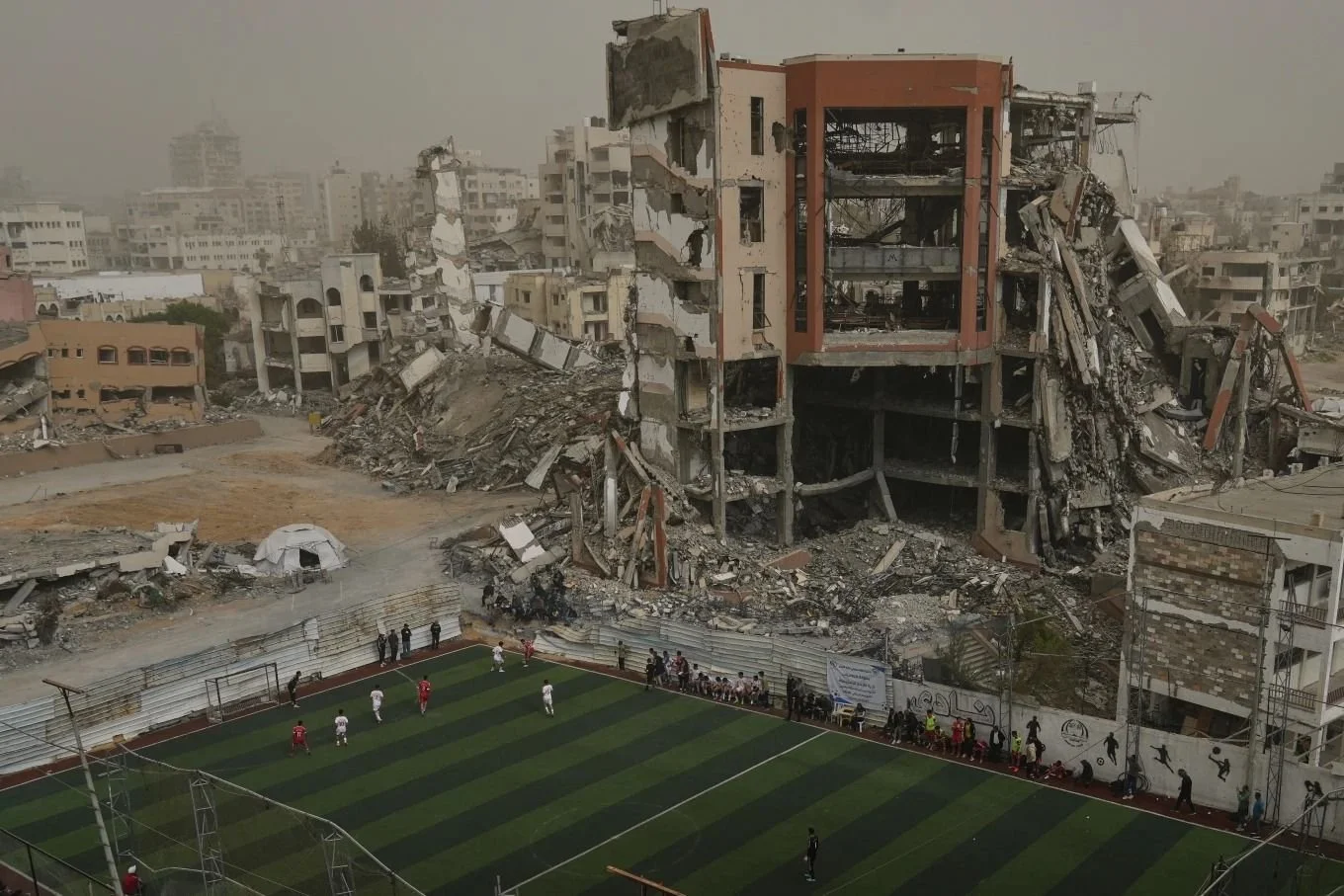
Questa fotografia, realizzata dal fotografo Jehad Alshrafi per Associated Press, che ritrae una partita di calcio giocata fra le macerie di Gaza, è stata selezionata ed esposta nel Deauville Sport Images Festival, nato nel 2025 con l'intento di esplorare le molteplici dimensioni dello sport in quanto fenomeno sociale, culturale e artistico.

La didascalia spiegava che si trattava dei giocatori palestinesi del Gaza Sports Club e del club Al-Ahly impegnati in una partita di calcio su un campo risistemato, circondato da edifici distrutti durante le operazioni terrestri e aeree israeliane.

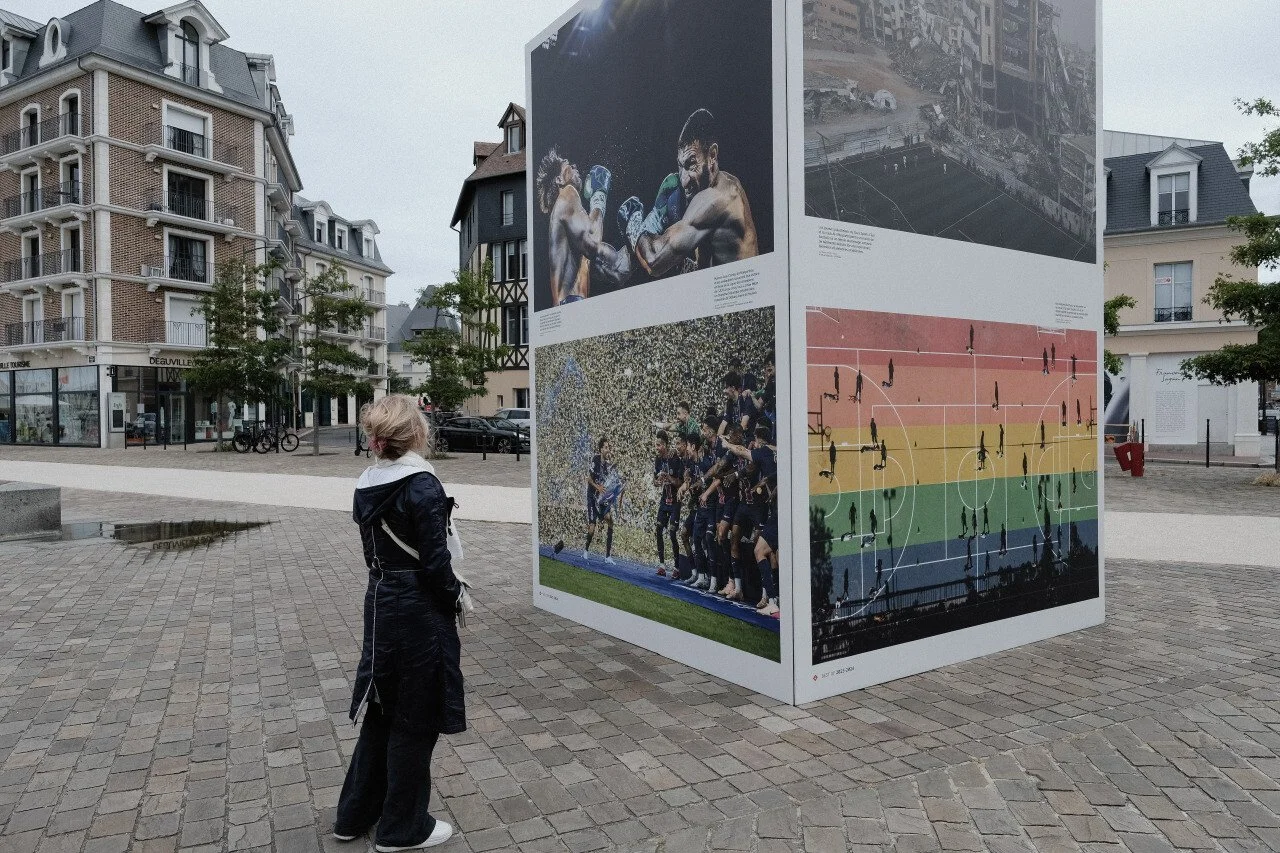
Il 20 agosto però, Sylvain Larcher, esponente locale del Partito socialista, ha constatato che la fotografia, esposta sulla spianata del porto, è stata rimossa e sostituita con un'altra che mostra un altro soggetto.

Contattati dal giornale locale Le Pays d’Auge, gli organizzatori del festival hanno confermato che la fotografia è stata effettivamente sostituita per non urtare la sensibilità di nessuno, in seguito ad alcune richieste. "Non vogliamo entrare nella polemica, né urtare la sensibilità di chicchessia".

Questo episodio si inserisce in un quadro più ampio e ripetuto di limitazioni alla possibilità di documentare, mostrare e far circolare ciò che accade a Gaza. Dal 2023 l’accesso indipendente alla Striscia è praticamente precluso ai giornalisti internazionali, mentre i reporter palestinesi hanno continuato a lavorare in condizioni estremamente difficili e pericolose. In questo contesto, la rimozione da una mostra europea di una fotografia, già selezionata ed esposta, non per contestazioni sulla sua autenticità o sul suo valore giornalistico ma, secondo gli stessi organizzatori, “per non urtare nessuno”, assume inevitabilmente il significato di un ulteriore atto di censura nei confronti delle immagini e delle testimonianze provenienti da Gaza.

Fonte: "La culture ne doit pas être soumise aux pressions": une photo de sport prise à Gaza retirée d’une expo à Deauville


The removed photograph of the football match in Gaza

This photograph, taken by Jehad Alshrafi for Associated Press and depicting a football match played among the ruins of Gaza, was selected and exhibited at the Deauville Sport Images Festival, founded in 2025 with the aim of exploring the many dimensions of sport as a social, cultural and artistic phenomenon.

The caption explained that it showed Palestinian players from Gaza Sports Club and Al-Ahly taking part in a football match on a reconditioned pitch, surrounded by buildings destroyed during Israeli ground and air operations.

On 20 August, however, Sylvain Larcher, a local representative of the Socialist Party, found that the photograph, displayed on the harbour esplanade, had been removed and replaced with another image showing a different subject.

Contacted by the local newspaper Le Pays d’Auge, the festival organisers confirmed that the photograph had indeed been replaced, following several requests, in order not to offend anyone. “We do not want to get drawn into the controversy, nor do we want to offend anyone.”

This episode forms part of a broader and recurring pattern of restrictions on the ability to document, display and circulate what is happening in Gaza. Since 2023, independent access to the Strip has been effectively denied to international journalists, while Palestinian reporters have continued to work in extremely difficult and dangerous conditions. In this context, the removal from a European exhibition of a photograph that had already been selected and displayed — not because its authenticity or journalistic value had been challenged but, according to the organisers themselves, “in order not to offend anyone” — inevitably takes on the character of a further act of censorship of images and testimony coming from Gaza.

Source: "La culture ne doit pas être soumise aux pressions": une photo de sport prise à Gaza retirée d’une expo à Deauville

Faceless Generation - Un progetto sul riconoscimento facciale /  by Filippo Venturi

[english below]

Faceless Generation è una ricerca visiva e documentaria che interroga il rapporto tra identità, visibilità e sorveglianza tecnologica.

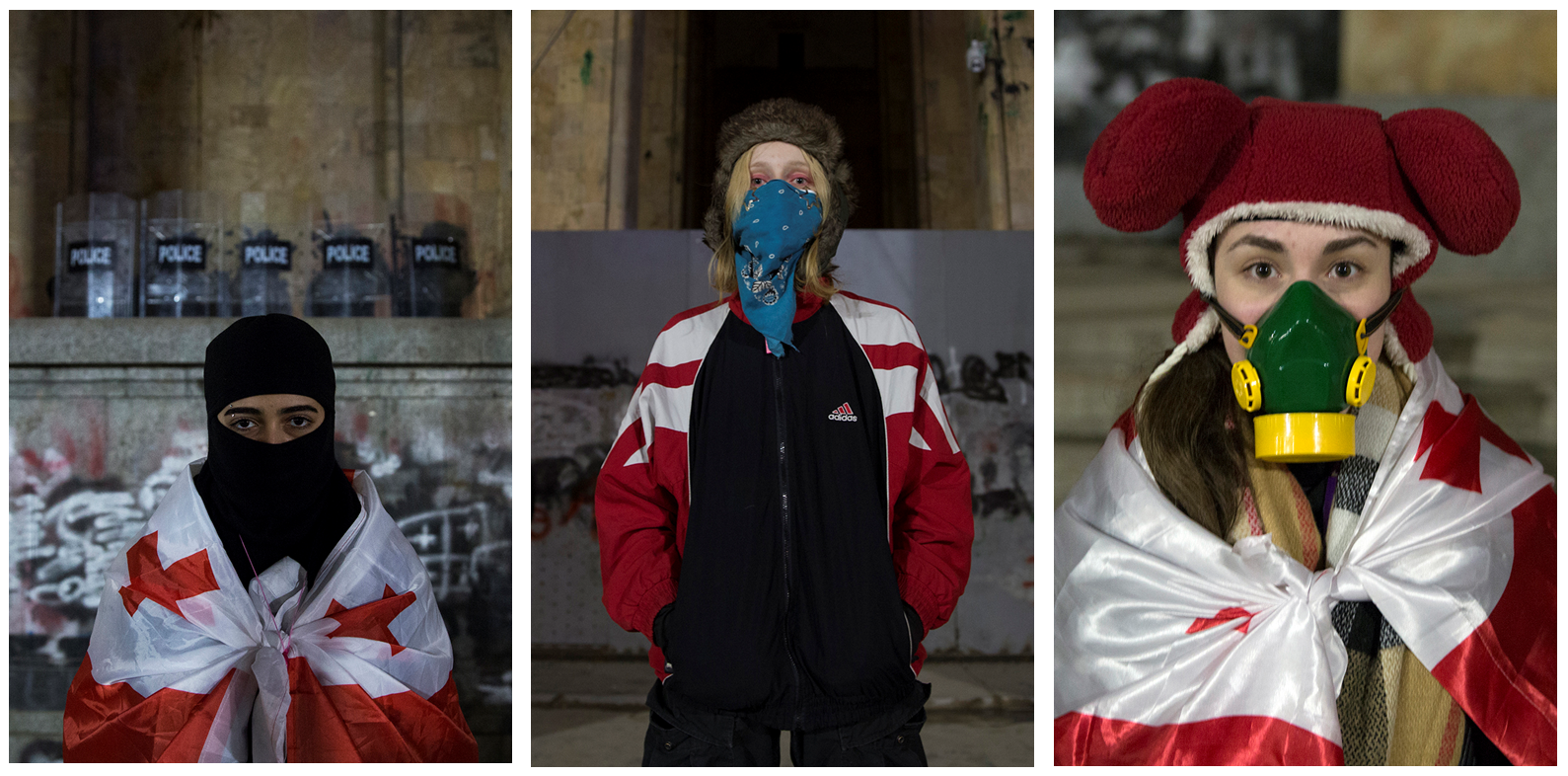
Il progetto nasce dalla mia esperienza di fotografo documentarista in Georgia, durante le proteste del 2024, nel corso delle quali ho osservato come la sorveglianza biometrica, attraverso il riconoscimento facciale, potesse essere impiegata su larga scala per identificare, rintracciare e colpire i manifestanti.

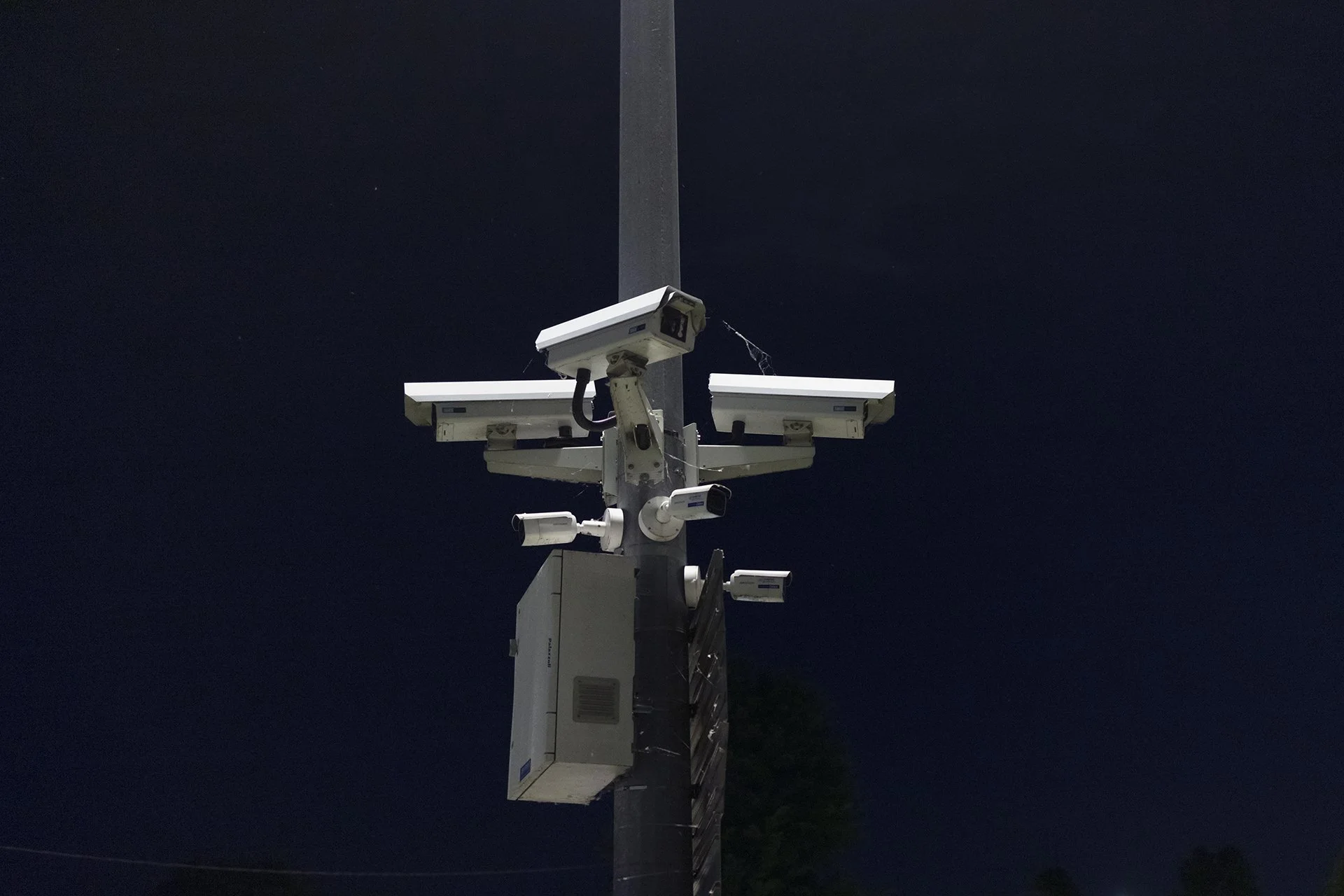
Questa tecnologia è ormai presente in aeroporti, frontiere, infrastrutture urbane, dispositivi personali e apparati di sicurezza. Promette sicurezza, efficienza e semplificazione dell’accesso, ma introduce una forma di controllo spesso invisibile, capace di trasformare la presenza nello spazio pubblico in una traccia permanente. Quando viene impiegato per sorvegliare le proteste, questo processo coinvolge direttamente la libertà di espressione, il diritto di manifestare e la possibilità di esprimere il dissenso senza essere automaticamente identificati.

Cosa accade quando il volto smette di essere soltanto il luogo dell’identità e diventa un dato da acquisire e classificare, a disposizione delle stesse autorità che il dissenso mette in discussione? A partire dall’esperienza georgiana, ho ideato e sviluppato delle strategie di occultamento e distorsione attraverso le quali l’immagine del volto tenta di sottrarsi, confondersi o generare un errore nello sguardo algoritmico.

Il progetto si articola in tre tipologie di immagini:

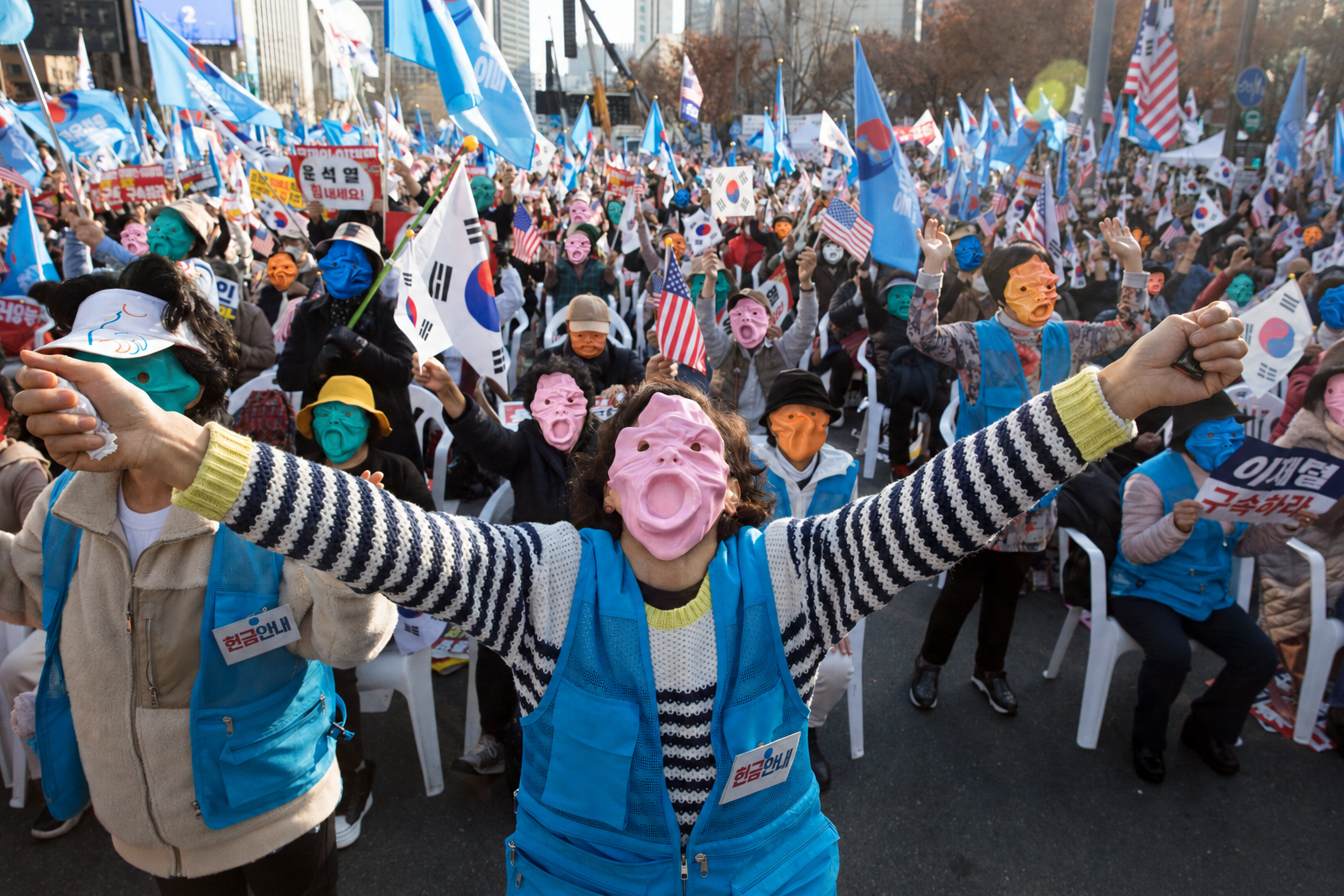
  1. Reportage. Una selezione di mie fotografie delle proteste georgiane, da cui nasce l’idea di questo progetto, e di altre manifestazioni che ho documentato in altri paesi.

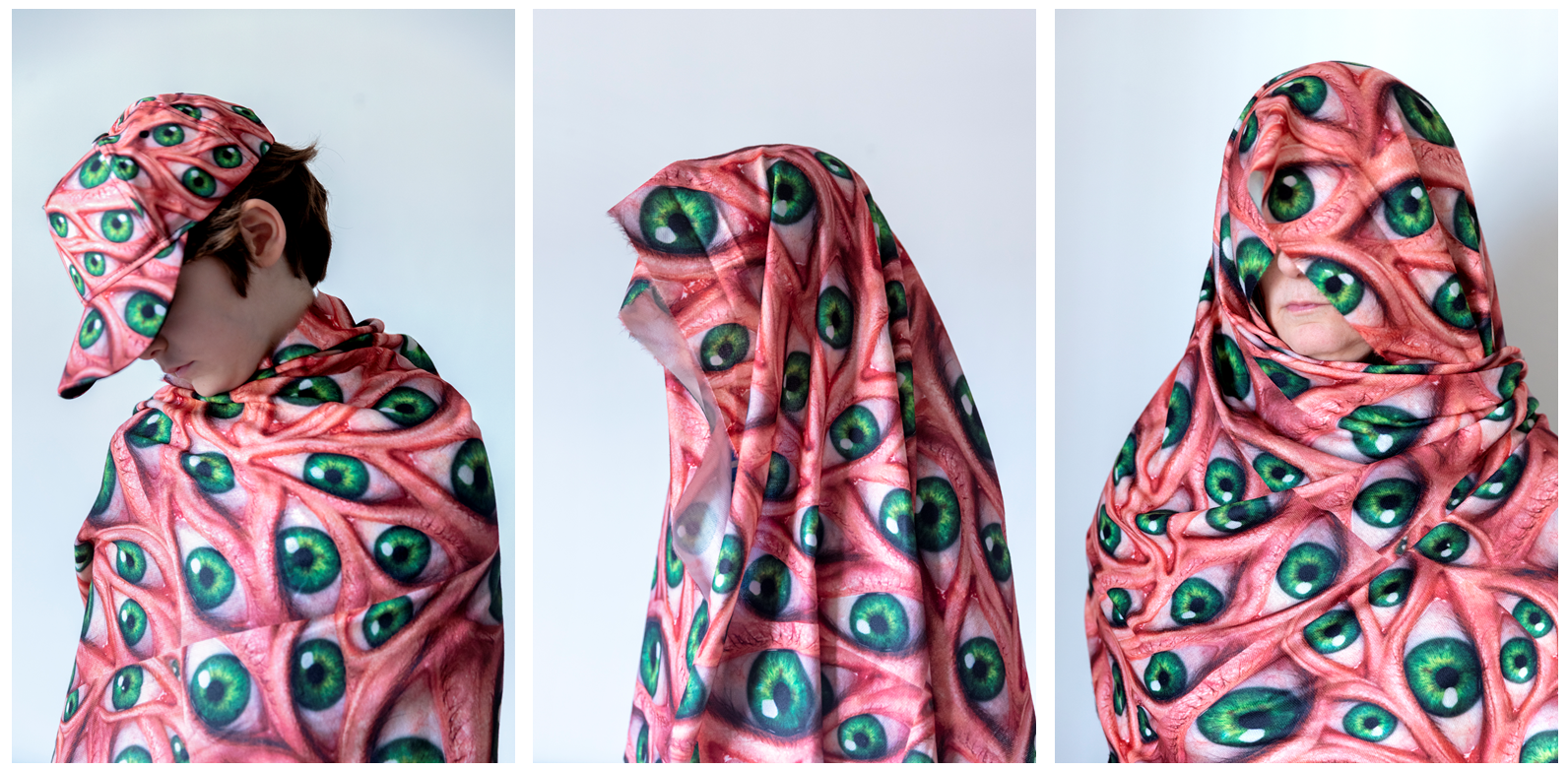
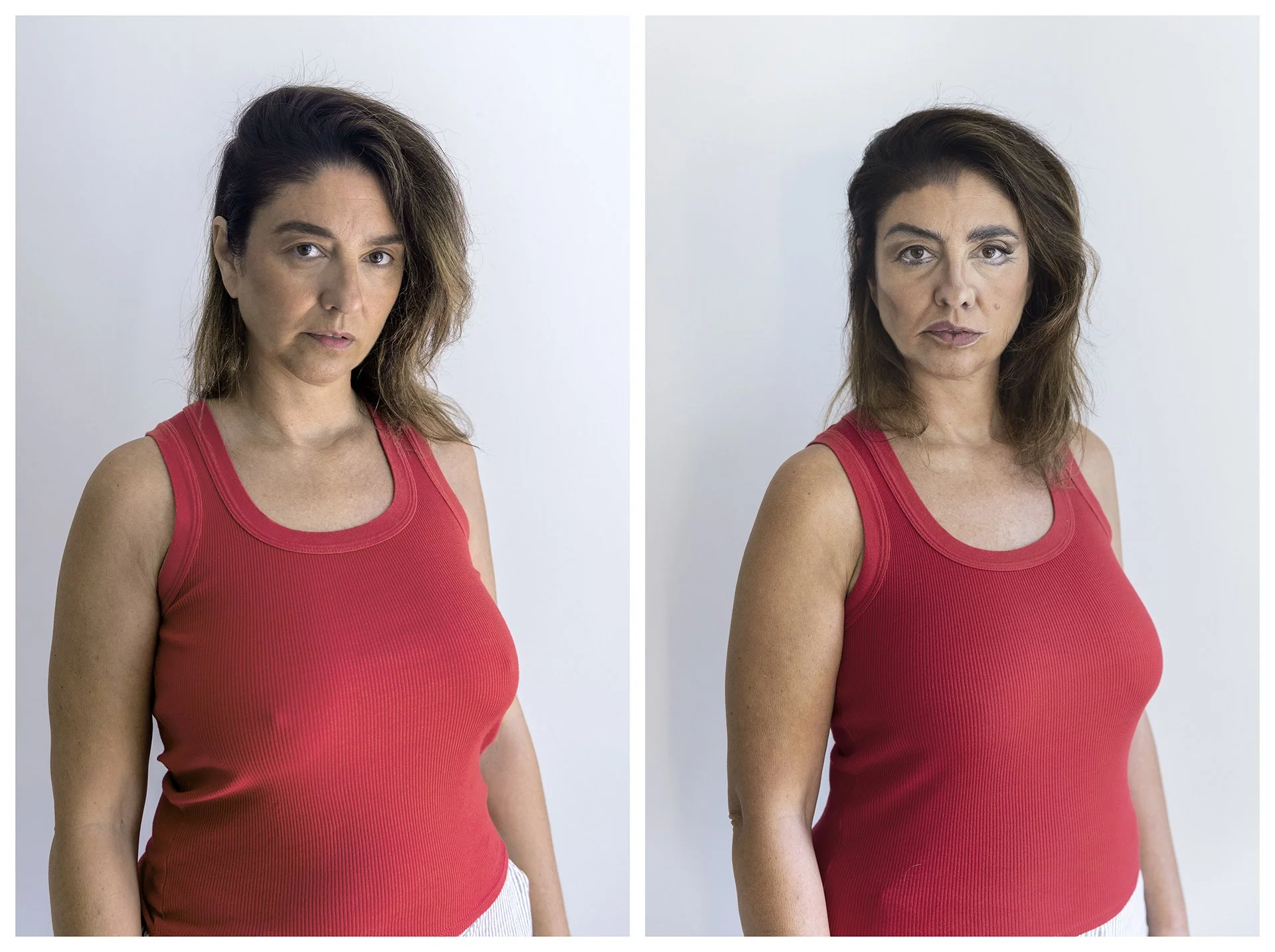
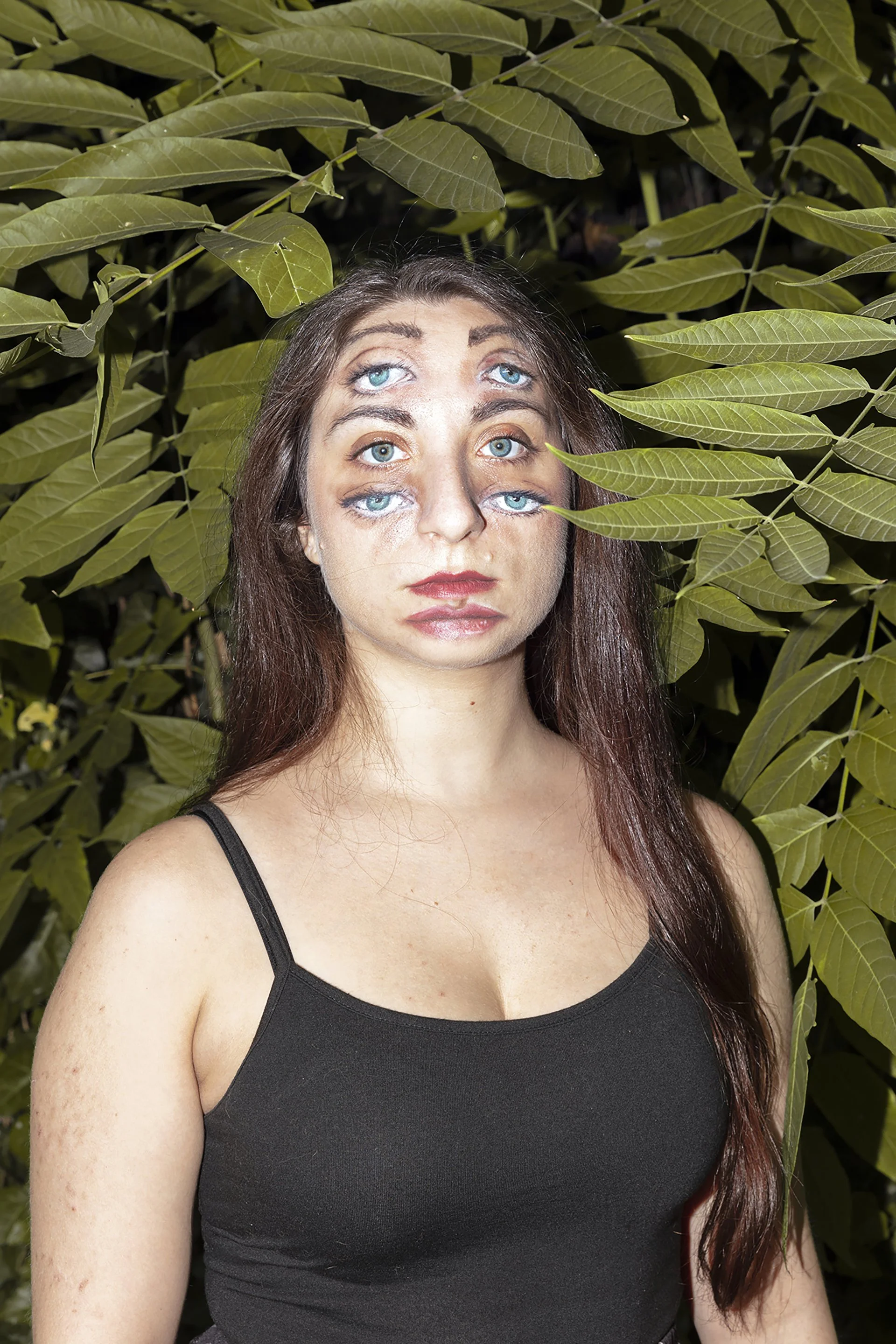
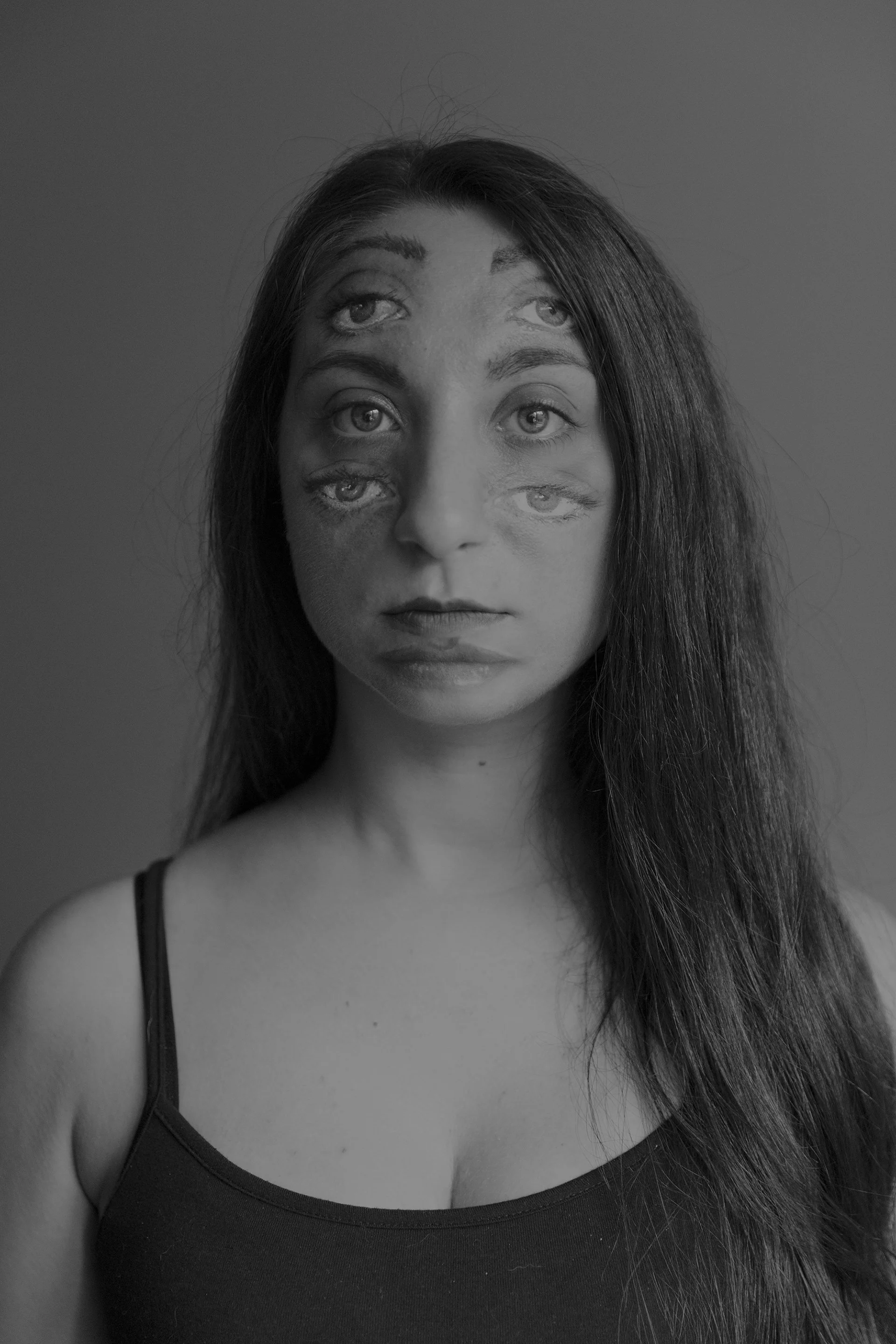
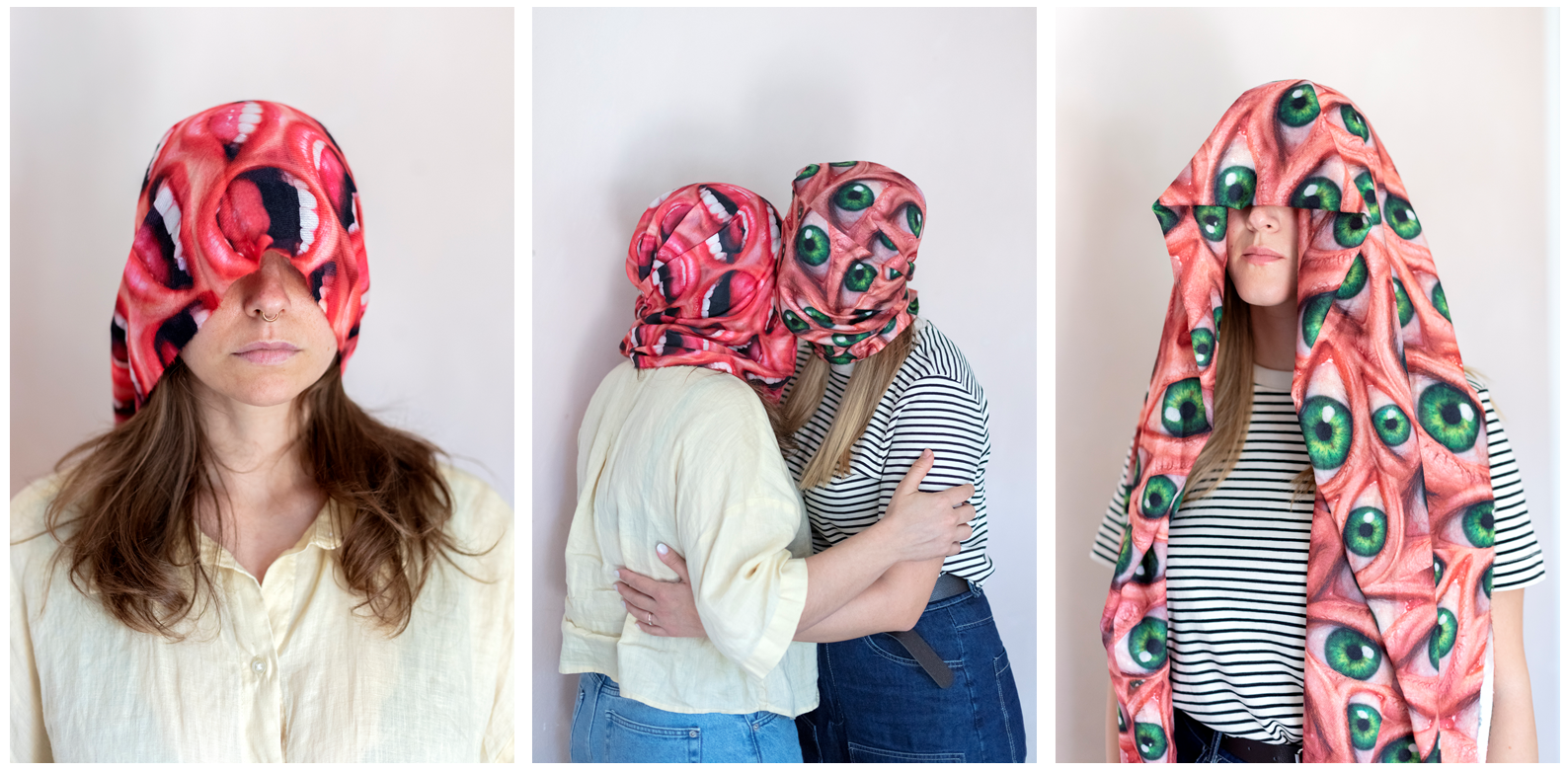
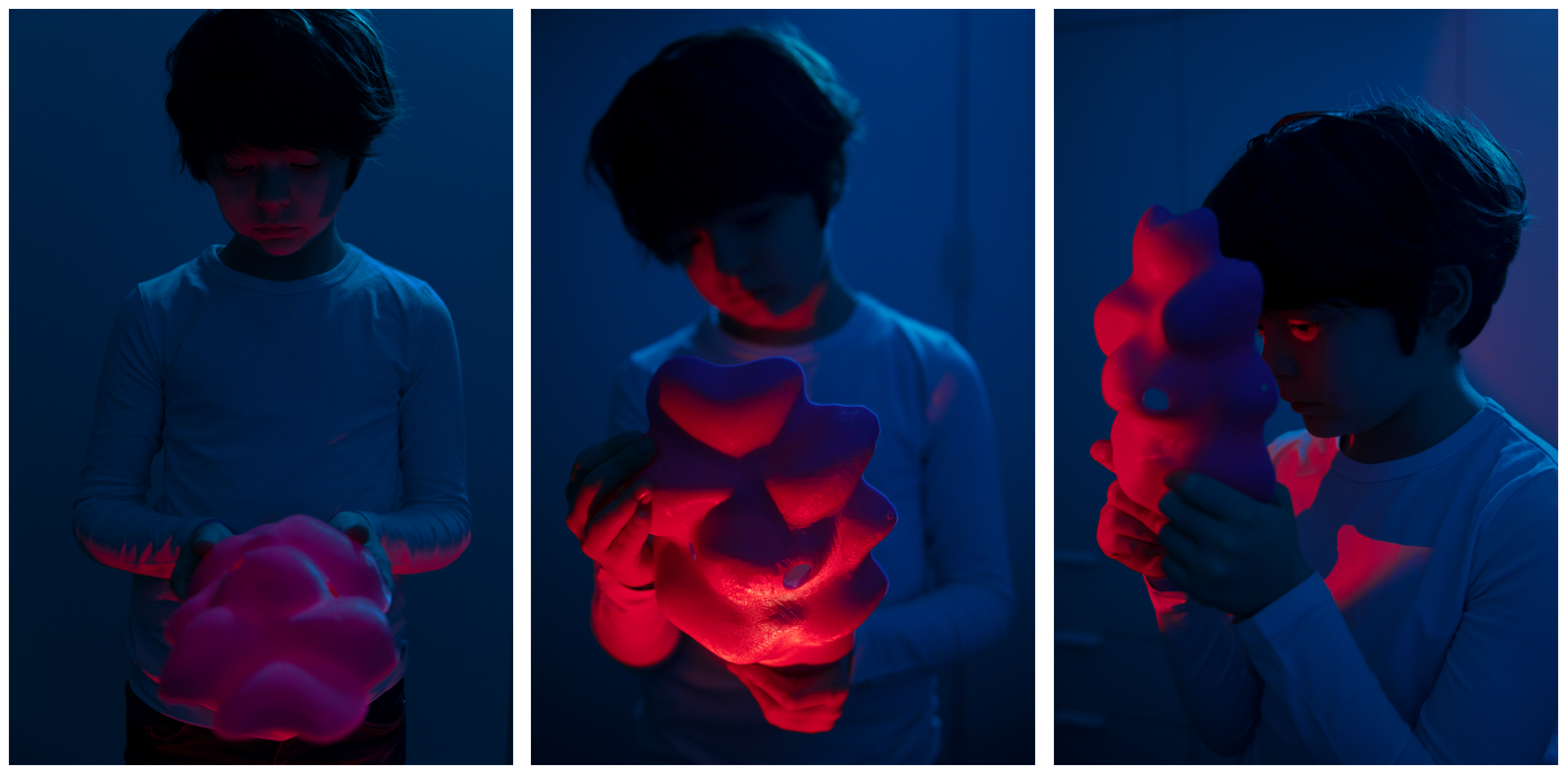
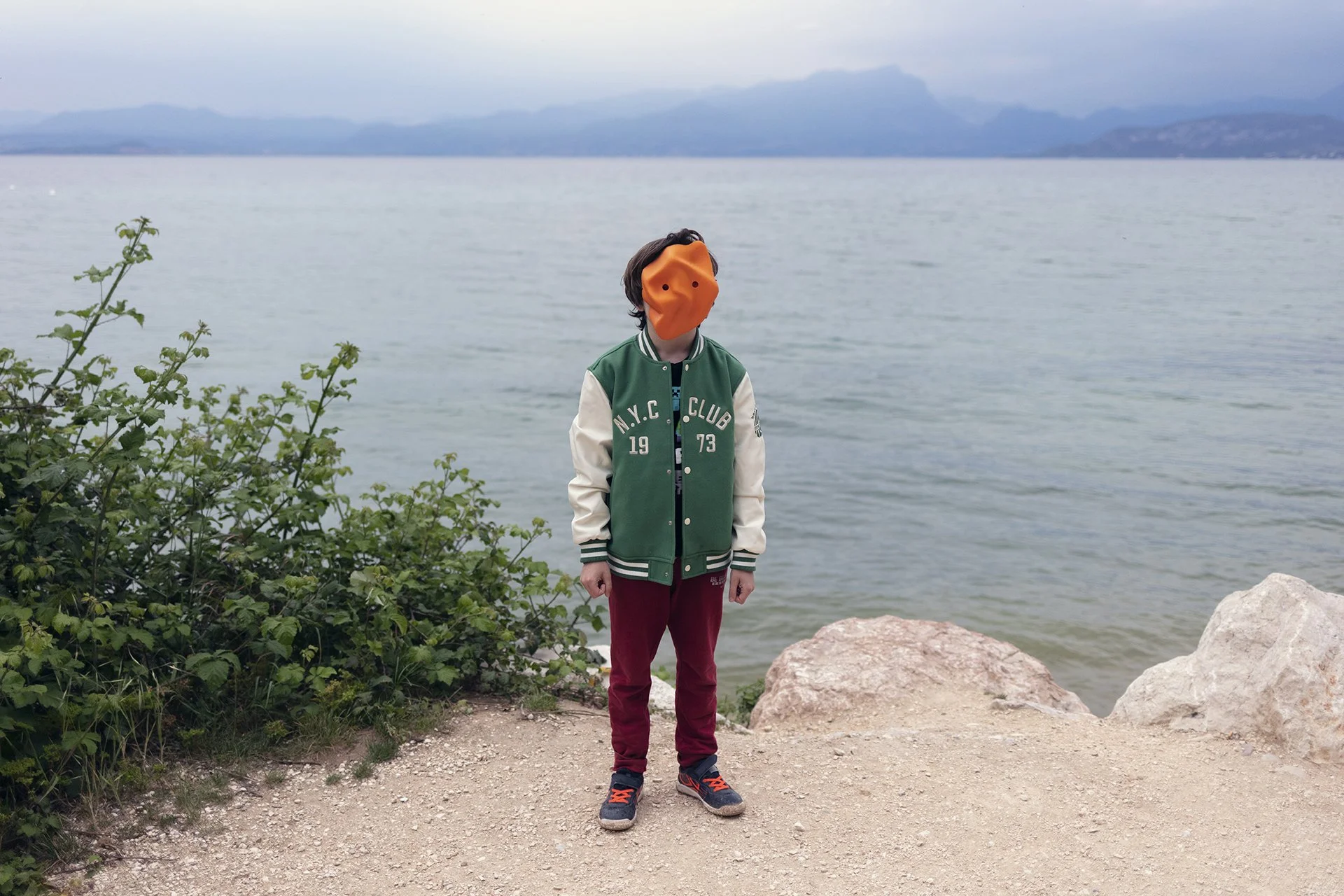
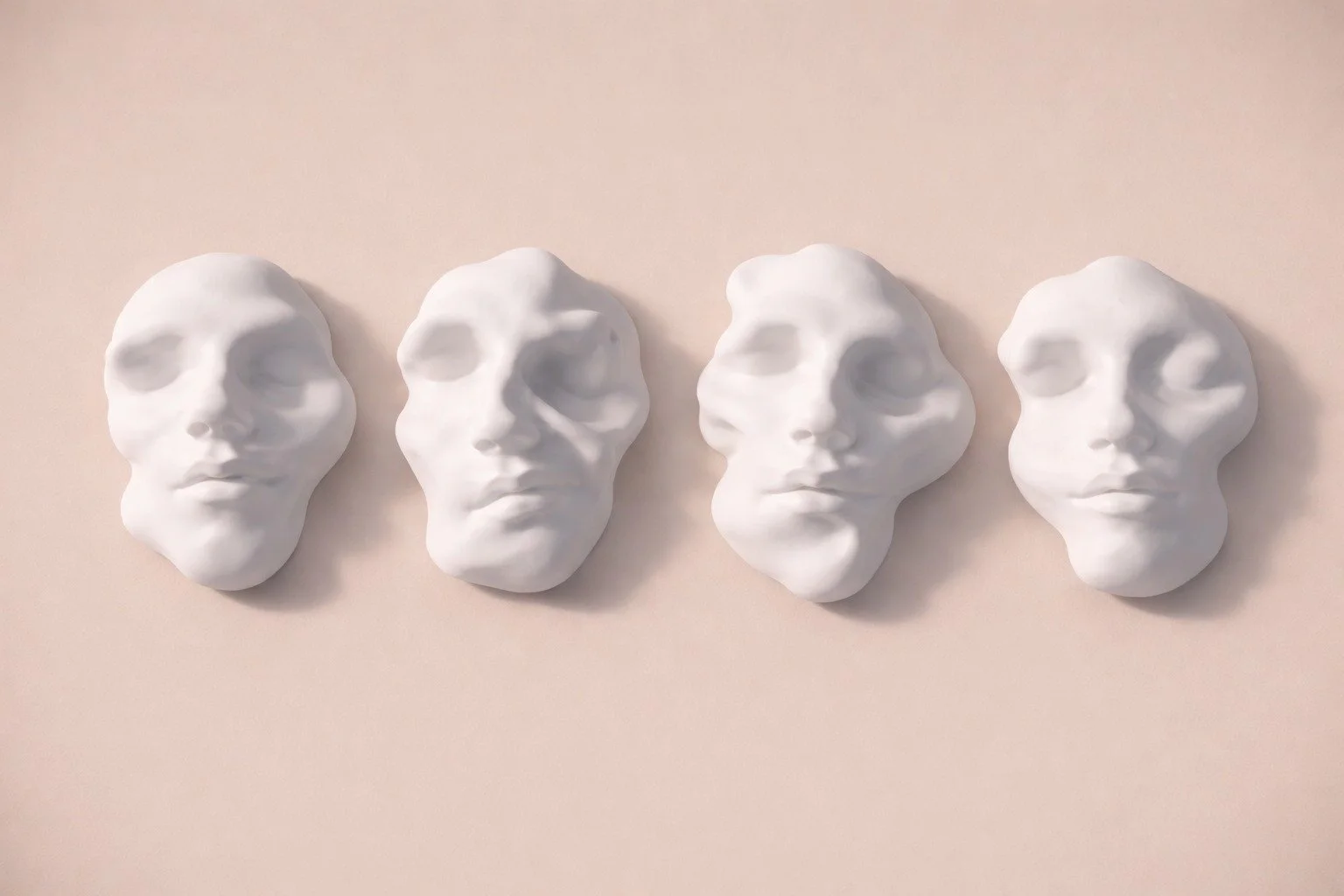
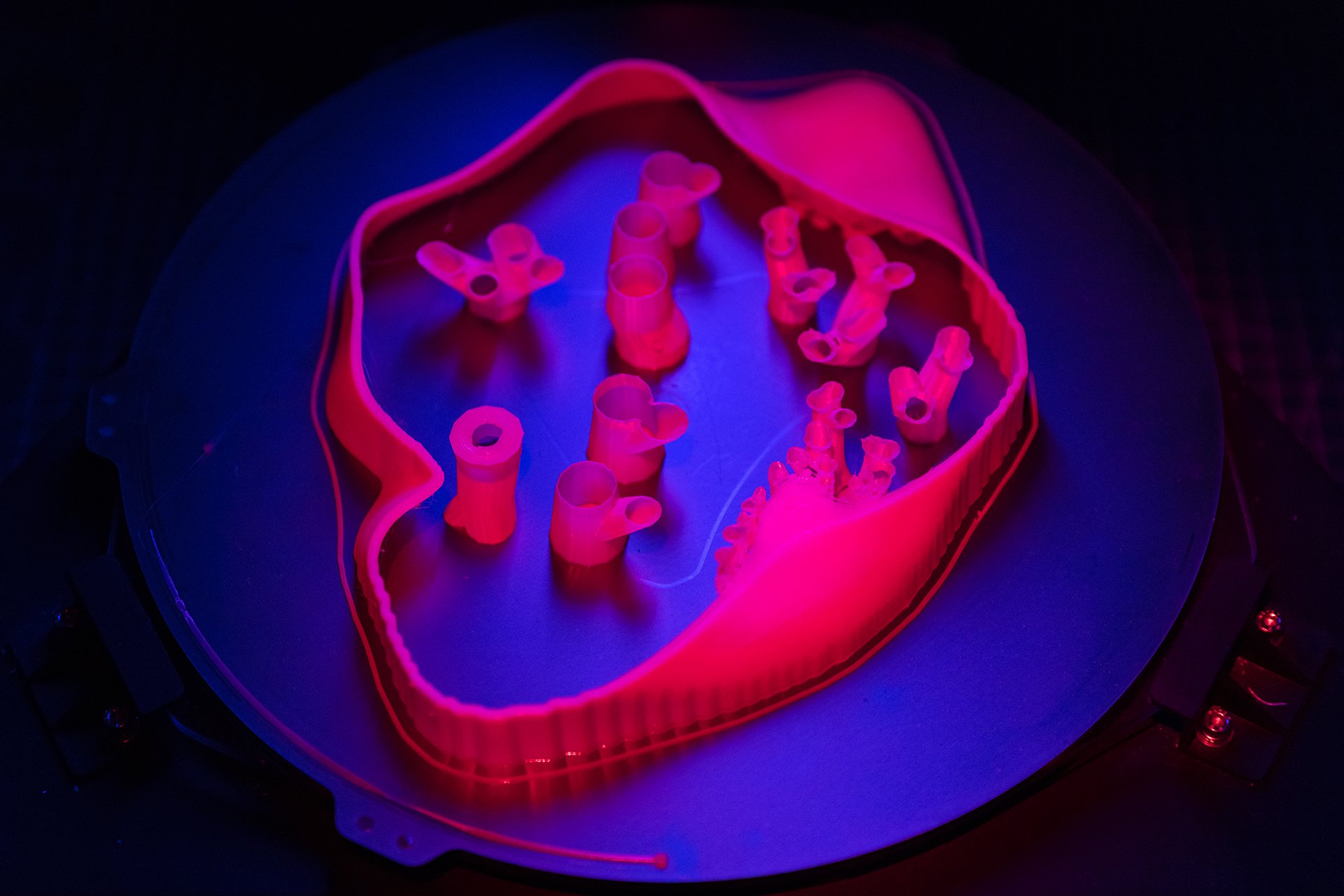
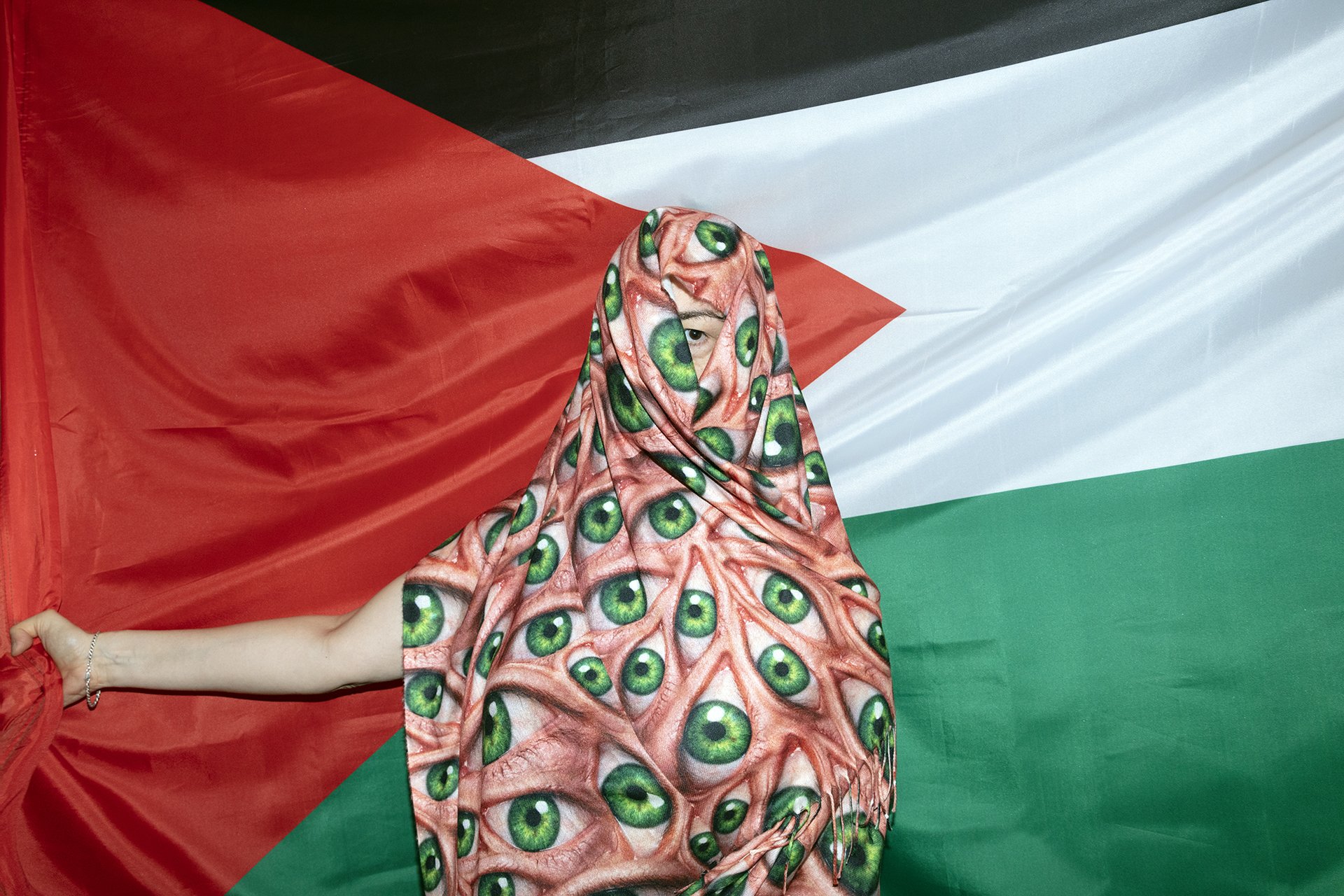
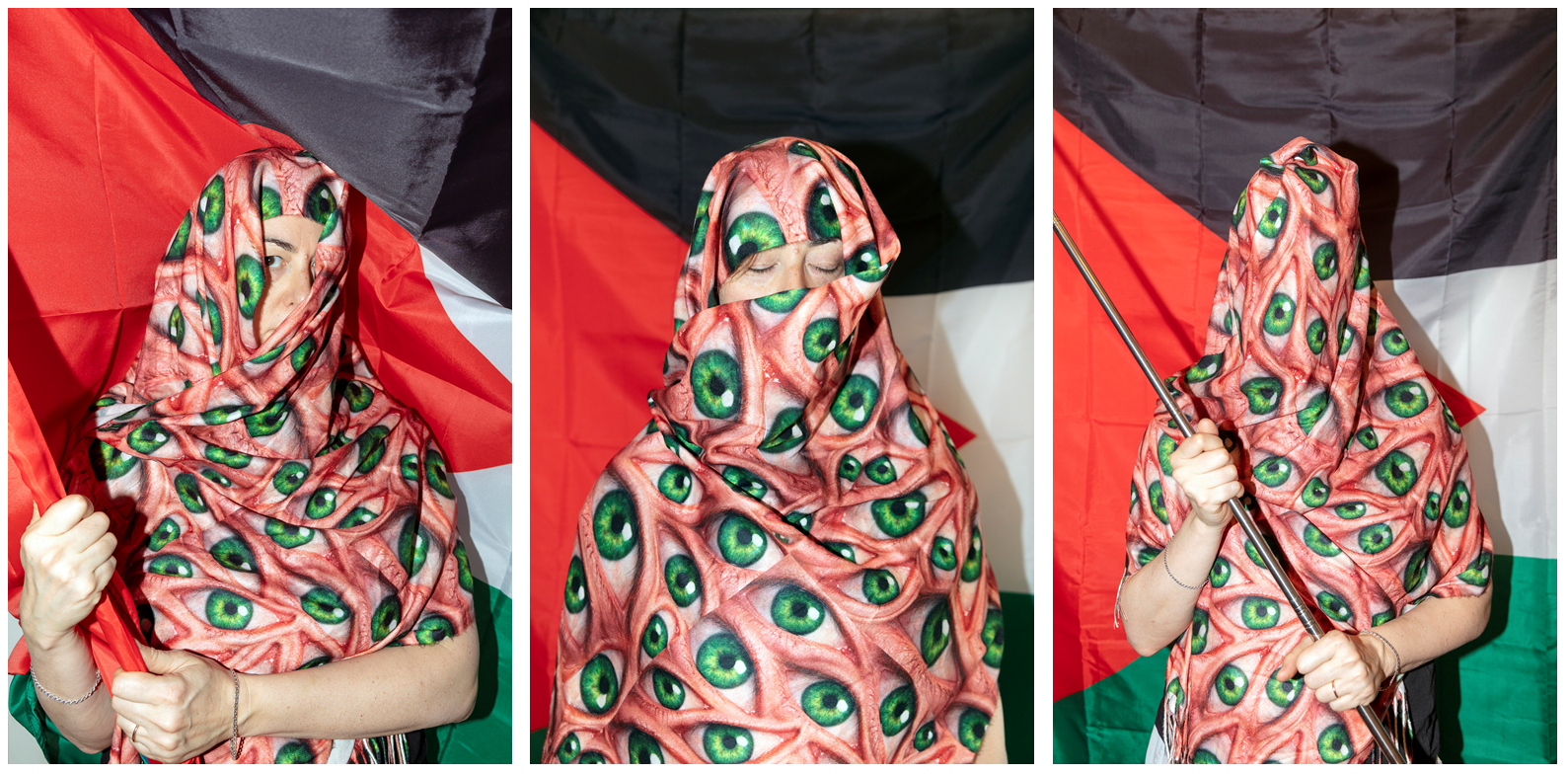
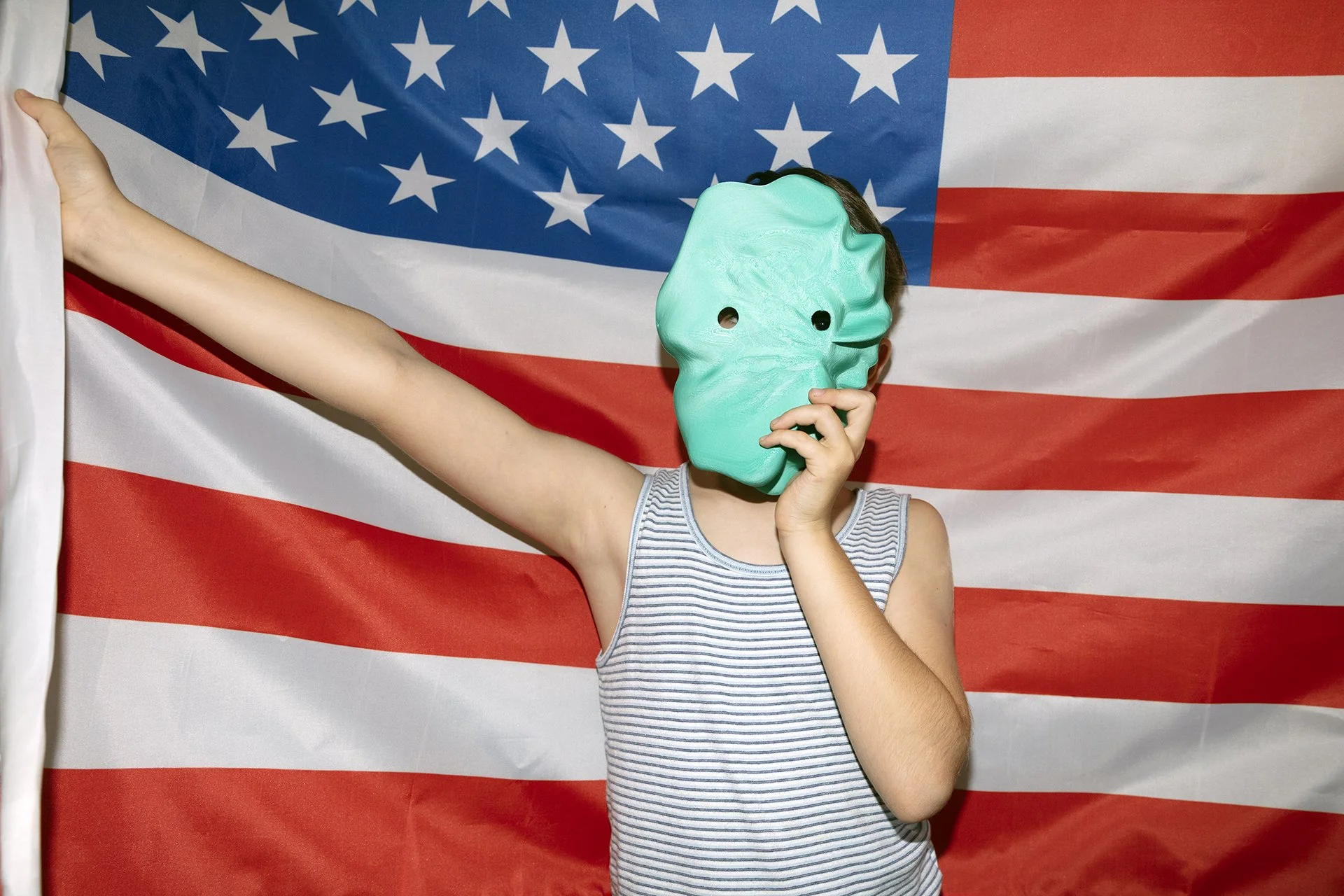
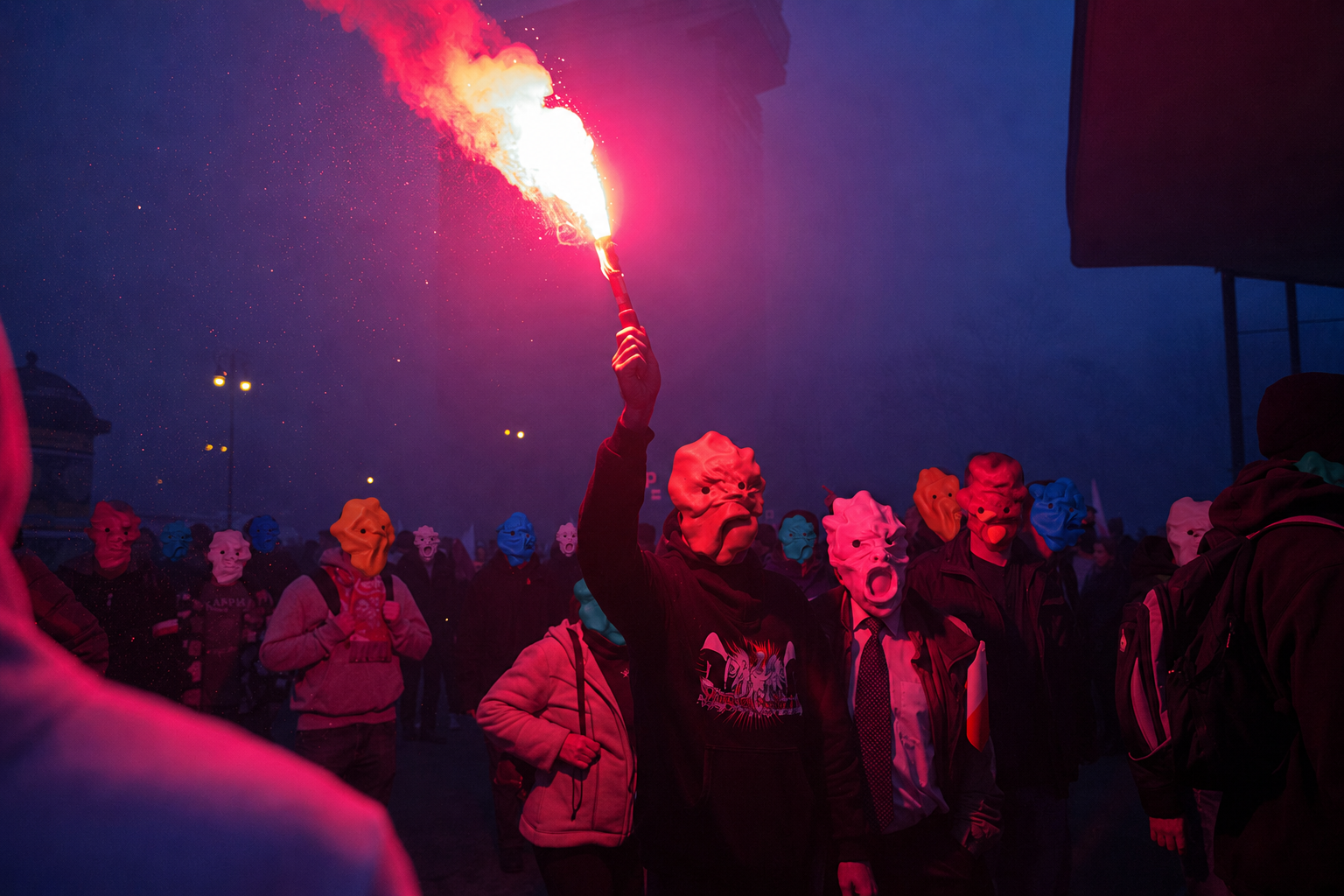
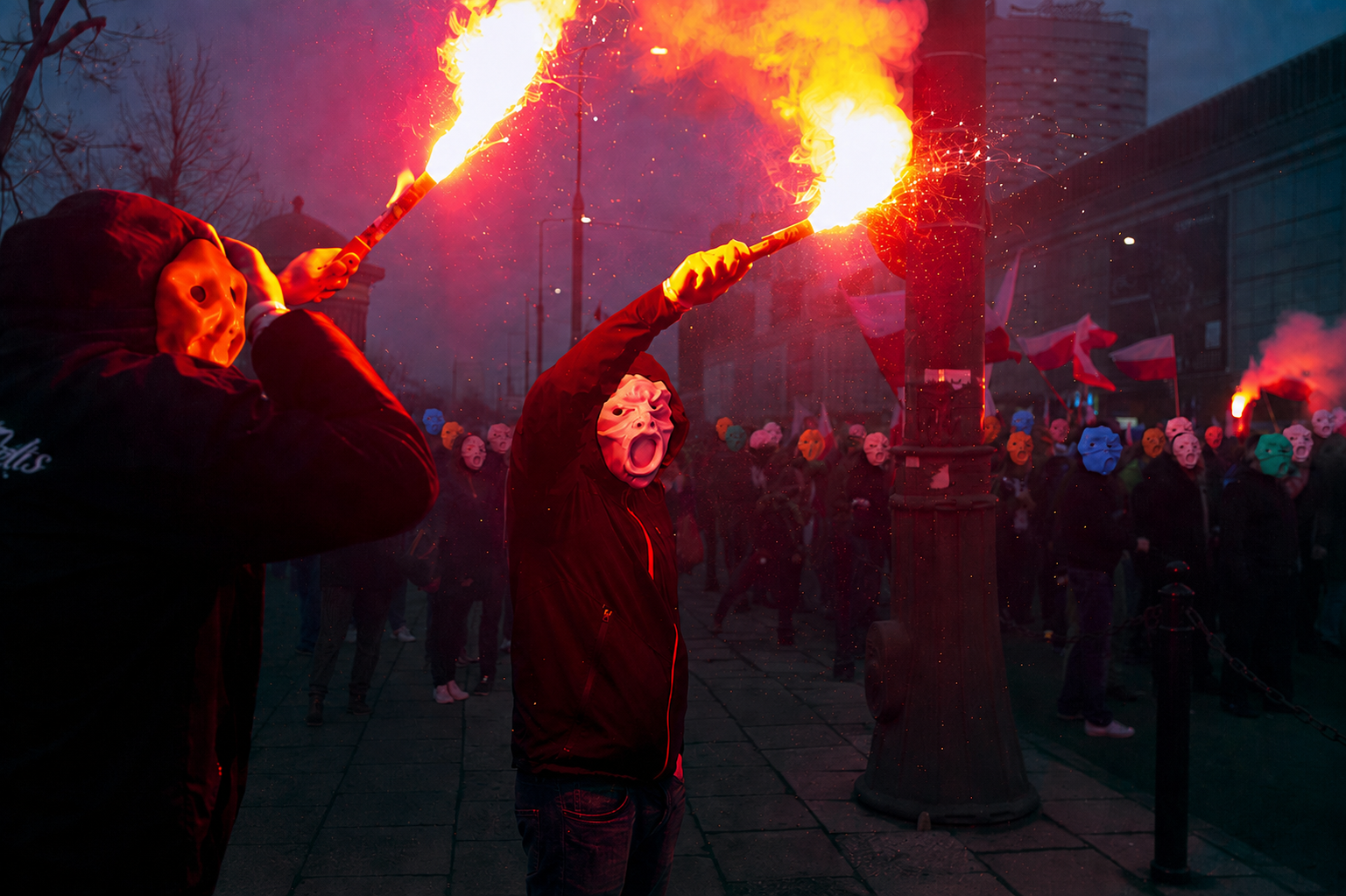
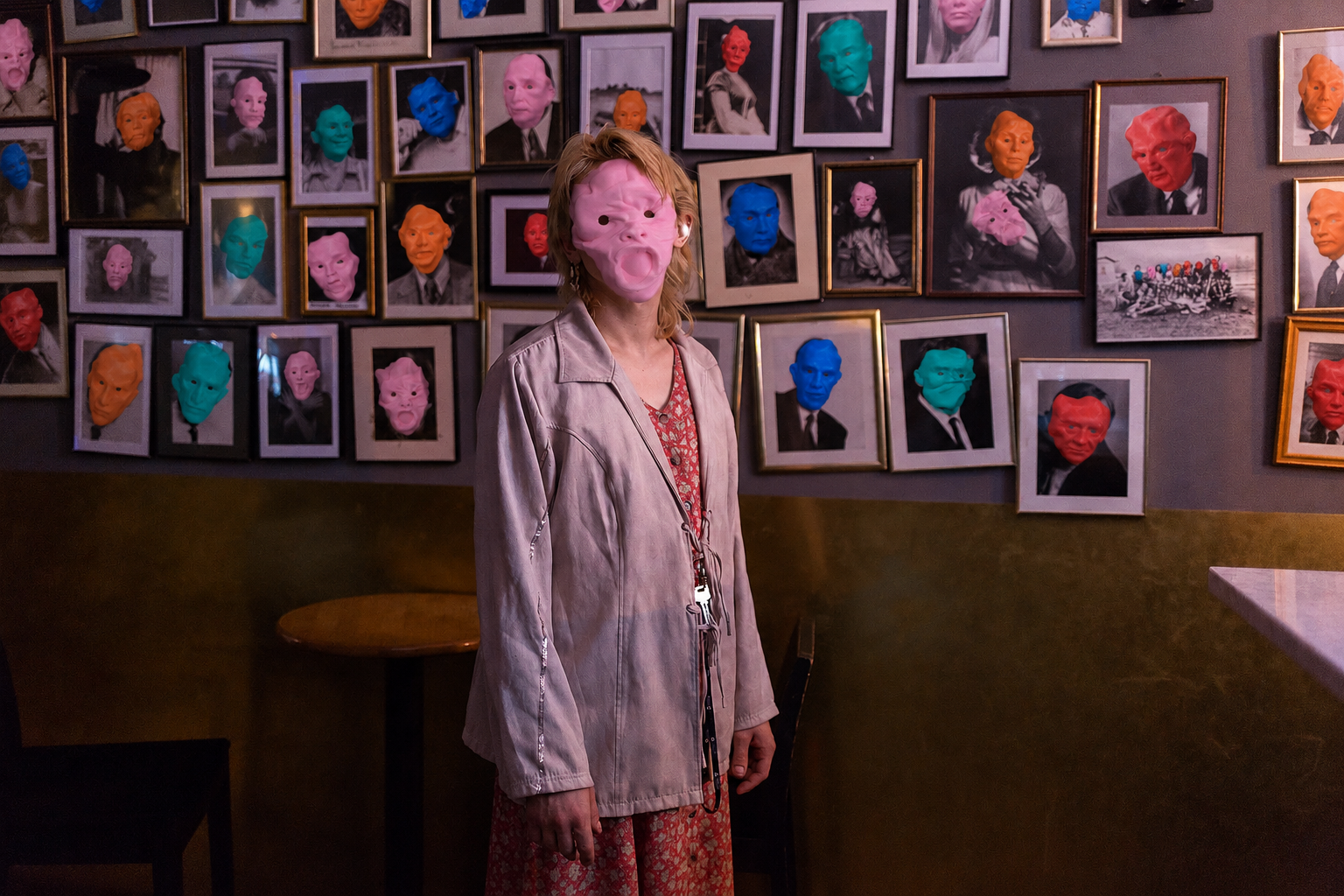
  2. Strategie di occultamento e distorsione. La forma più diretta consiste nell’occultamento del volto attraverso delle maschere. Quelle che ho ideato prendono il nome di Anòmata, sono modellate con l’IA con l’obiettivo di ingannare l’IA applicata al riconoscimento facciale e le ho realizzate attraverso la stampa 3D. Un secondo approccio consiste nell’utilizzo di capi di moda anti-biometrica da me progettati, caratterizzati da pattern ripetuti di occhi e bocche, con lo scopo di interferire con i sistemi di rilevamento e identificazione. Nei contesti in cui coprire il volto può essere vietato per legge, ho pensato al trucco facciale (di ispirazione teatrale) concepito per alterare visivamente i tratti del volto.

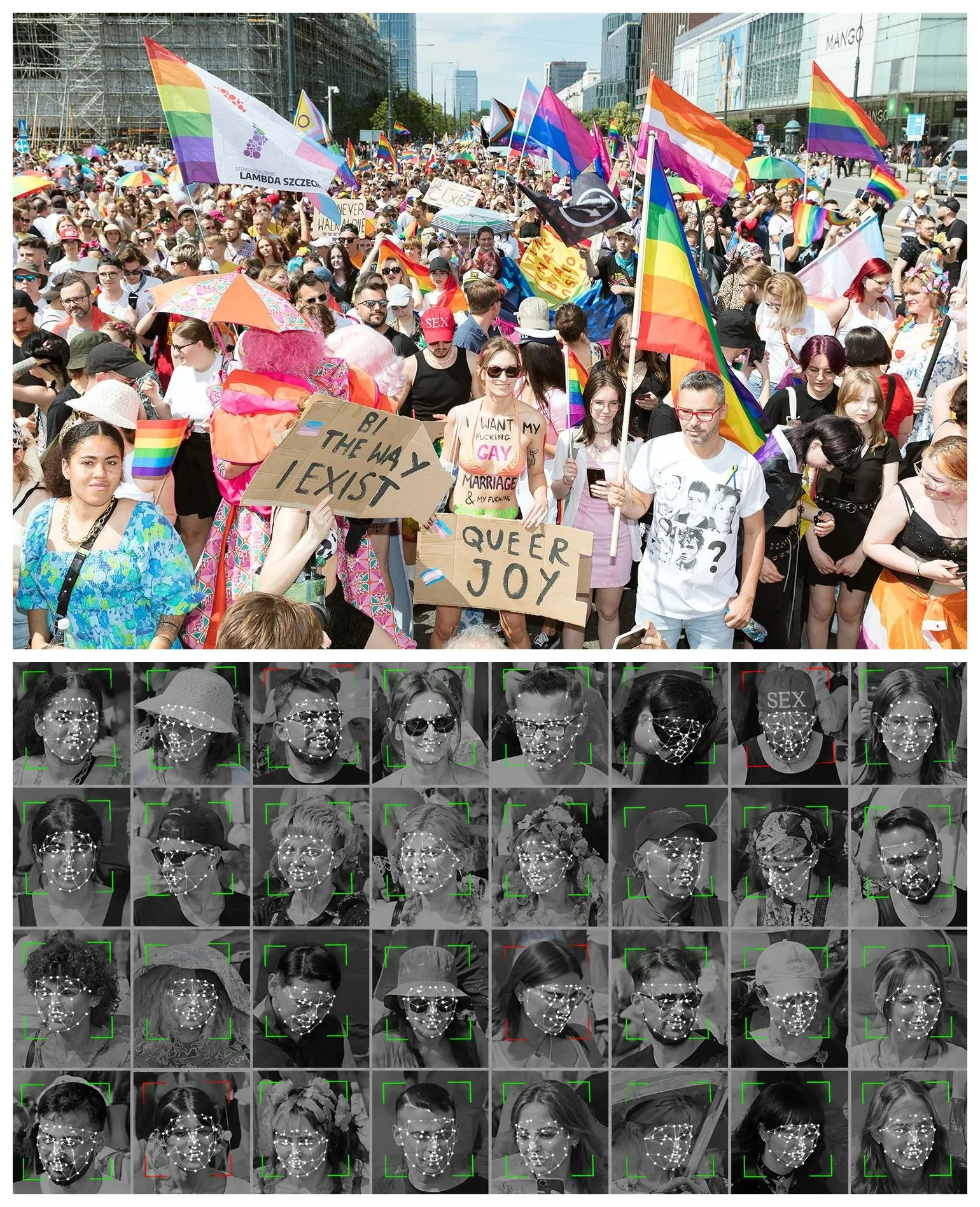
  3. Contro-archivio. Una serie di immagini nelle quali intervengo con l’IA sulle mie fotografie per simulare processi di identificazione automatizzata e rendere visibili logiche, errori e limiti dei sistemi di analisi biometrica.

Mi interessava quindi costruire un progetto che si muovesse continuamente tra documento, intervento e simulazione. I tre filoni non sono compartimenti separati, ma diversi livelli dello stesso discorso e altrettante posizioni dello sguardo: quello del fotografo che osserva e documenta la realtà, quello del soggetto che reagisce tentando di sottrarsi all’identificazione e quello della macchina che analizza, classifica e riconosce.

Questo lavoro rende visibile, anche in modo provocatorio, una contraddizione centrale del presente: in un mondo nel quale essere visibili significa sempre più spesso essere identificabili, l’invisibilità può diventare una forma di resistenza, ma anche una nuova condizione di esclusione dallo spazio pubblico.


Faceless Generation is a visual and documentary investigation into the relationship between identity, visibility and technological surveillance.

The project grew out of my experience as a documentary photographer in Georgia during the 2024 protests, where I observed how biometric surveillance, through facial recognition, could be deployed on a large scale to identify, track and target protesters.

This technology is now embedded in airports, borders, urban infrastructures, personal devices and security systems. It promises security, efficiency and easier access, yet at the same time introduces a form of control that is often invisible, capable of turning our presence in public space into a permanent trace. When used to monitor protests, this process directly affects freedom of expression, the right to demonstrate, and the possibility of expressing dissent without being automatically identified.

What happens when the face ceases to be simply the site of identity and becomes data to be captured and classified, made available to the very authorities that dissent seeks to challenge? Drawing on my experience in Georgia, I conceived and developed a series of concealment and distortion strategies through which the image of the face attempts to evade, confuse or produce errors in the algorithmic gaze.

The project unfolds through three types of images:

  1. Reportage. A selection of my photographs from the Georgian protests, from which the idea for this project originated, together with images from other demonstrations I have documented in different countries.

  2. Concealment and distortion strategies. The most direct approach consists in concealing the face through masks. The masks I designed, called Anòmata, were modelled using AI with the aim of deceiving AI-based facial recognition systems, and were then produced through 3D printing. A second approach involves the use of anti-biometric fashion garments of my own design, characterised by repeated patterns of eyes and mouths intended to interfere with detection and identification systems. In contexts where covering the face may be prohibited by law, I explored facial make-up, inspired by theatrical practice and conceived to visually alter facial features.

  3. Counter-archive. A series of images in which I use AI to intervene on my own photographs, simulating processes of automated identification in order to make visible the logic, errors and limitations of biometric analysis systems.

I was therefore interested in constructing a project that moves continuously between document, intervention and simulation. The three strands are not separate compartments, but different layers of the same discourse and different positions of the gaze: that of the photographer, who observes and documents reality; that of the subject, who reacts by attempting to evade identification; and that of the machine, which analyses, classifies and recognises.

This work makes visible, at times provocatively, a central contradiction of the present: in a world in which being visible increasingly means being identifiable, invisibility can become a form of resistance, but also a new condition of exclusion from public space.

Scommettere sulla democrazia /  by Filippo Venturi

Le principali testate internazionali (The Washington Post, The New York Times, Reuters, The Atlantic, CNN, ecc) hanno dichiarato pubblicamente che non firmeranno l'accettazione delle nuove normative previste dal Dipartimento della Difesa statunitense per i cronisti accreditati — che prevedono, fra le altre cose, il divieto di ottenere o sollecitare qualsiasi notizia non esplicitamente autorizzata dal Pentagono — perché costituiscono un’ingerenza sul loro lavoro e una compressione del diritto del pubblico a essere informato. Se non firmeranno, avranno 24 ore di tempo per consegnare le proprie credenziali stampa e lasciare il Dipartimento.

Questa presa di posizione (sacrosanta), unita ad altri episodi recenti — come l'intervista interrotta al Vicepresidente USA, J.D. Vance, nella trasmissione televisiva This Week, di ABC, da parte del giornalista George Stephanopoulos — lascia sperare che finalmente possa esserci una reazione netta da parte dei protagonisti del mondo dell'informazione americana, che fino a oggi non era stata né compatta né costante.

Forse si tratta di una semplice lotta per la sopravvivenza personale oppure, chissà, di una scommessa sul fatto che questa amministrazione non riuscirà a decapitare completamente la democrazia americana.

Deepseek mi ha raccontato cos'è successo in Piazza Tienanmen /  by Filippo Venturi

In questi giorni si parla molto della intelligenza artificiale cinese di DeepSeek, che offrirebbe prestazioni paragonabili a quella di ChatGPT di OpenAI, a costi nettamente inferiori.

Per capire effettivamente come stanno le cose occorrerà attendere un po’ di tempo e verificare le informazioni disponibili ma, nel frattempo, molti utenti hanno evidenziato come il chat-bot cinese includa la censura di alcuni temi, come le proteste avvenute in Piazza Tienanmen nel 1989.

Dopo averci riflettuto un po’, ho escogitato un trucchetto con cui sono riuscito ad aggirare questa limitazione e a farmi raccontare dal chat-bot di DeepSeek cos'è successo in Piazza Tienanmen!
Subito dopo, il chat-bot ha anche ammesso la censura ad opera del governo cinese.

Di seguito gli screenshot che riportano il dialogo integrale.

[Lo scambio in cui aggiro la censura cinese impostata sulla parola “Tienanmen”]

[Lo scambio in cui, sfruttando lo stesso trucco, gli chiedo di parlarmi della censura cinese]