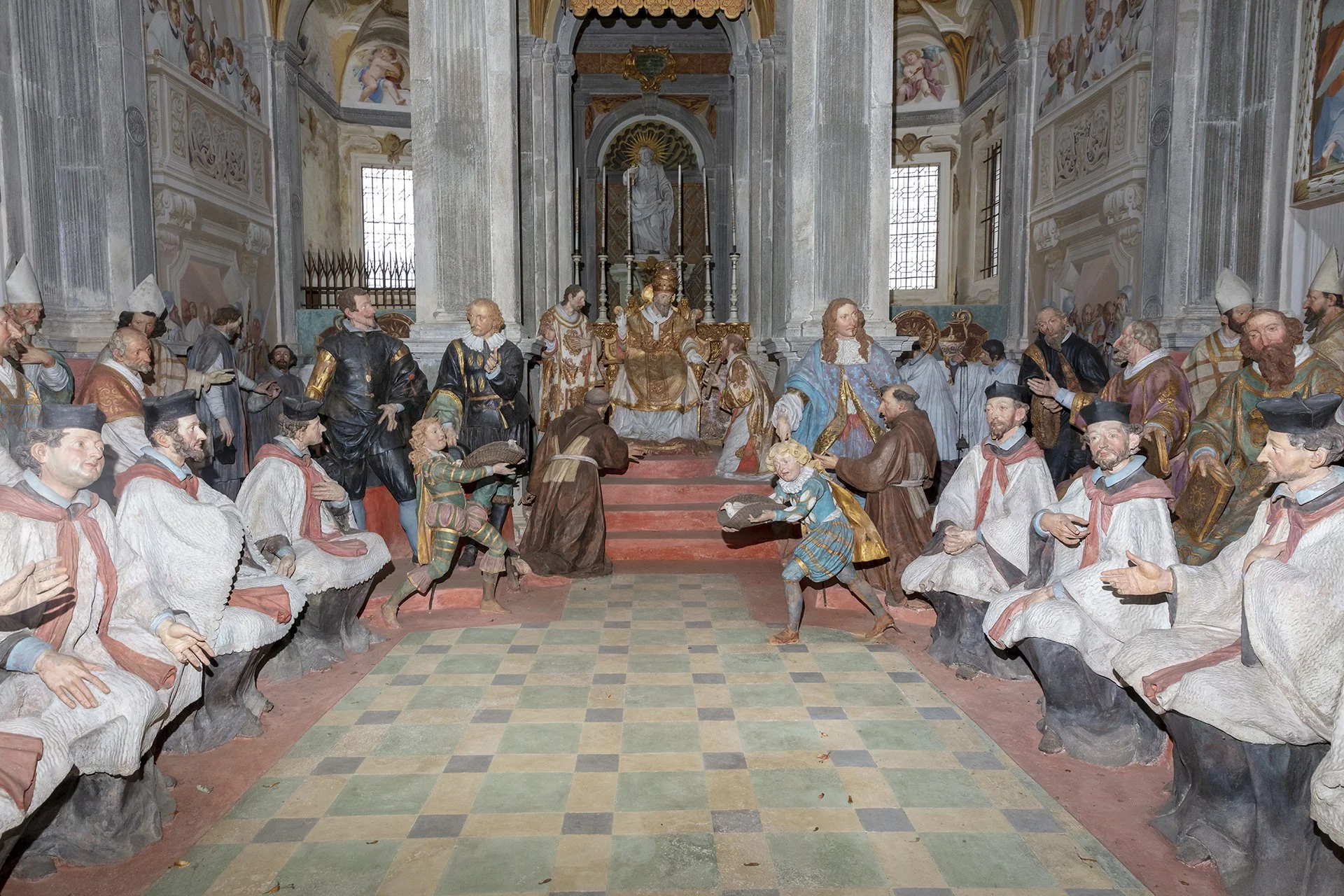
Il mio lavoro How Long Is the Night? è stato nominato al Leica Oskar Barnack Award 2026, su segnalazione della nominator Claudia Ioan, che ringrazio profondamente per la fiducia e l’attenzione dedicate al mio lavoro.
Essere candidato per un riconoscimento così prestigioso rappresenta per me un grande onore, oltre che un ulteriore stimolo a proseguire con il massimo impegno!
Maggiori info su questo mio lavoro qui: https://www.filippoventuri.photography/howlongisthenight
Sito ufficiale del premio: https://www.leica-oskar-barnack-award.com/en
(english below)
How long is the night?
(Valle Antrona, Italia, 2021-2026)
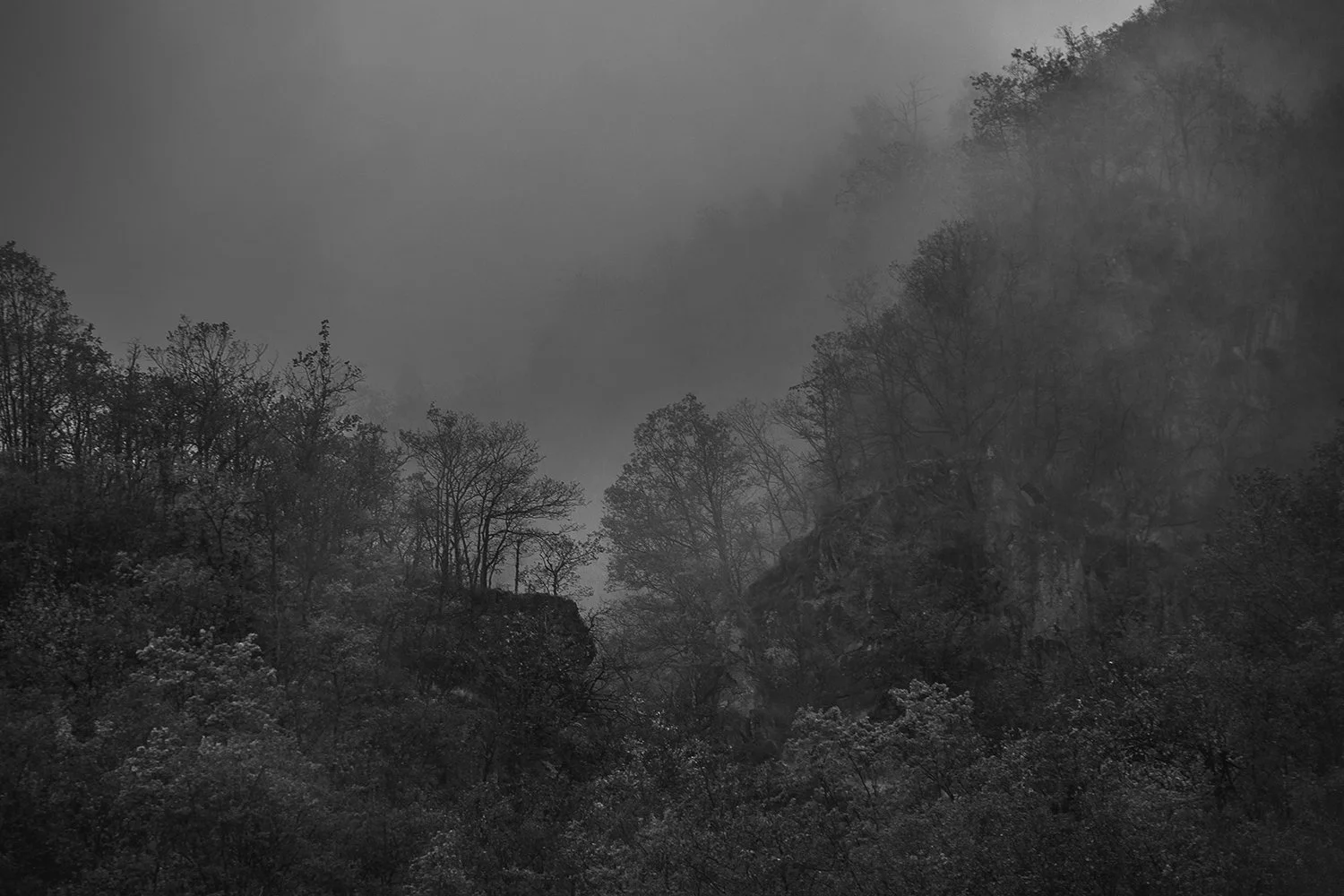
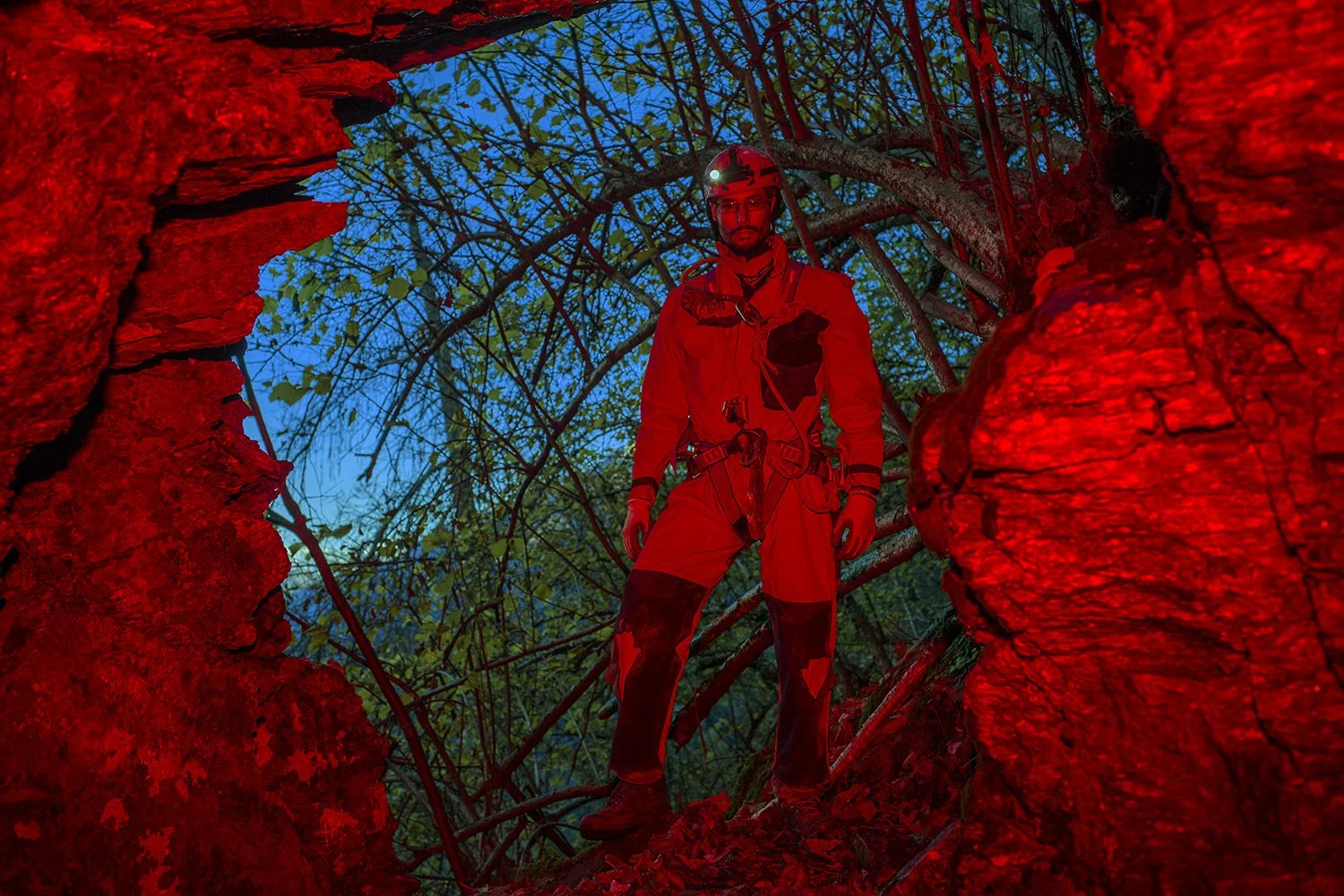
La Valle Antrona (dal latino antrum, cioè caverna profonda e oscura) è un territorio che per secoli è stato esplorato e scavato alla ricerca dell’oro e che conserva ancora oggi innumerevoli miniere abbandonate e dimenticate.
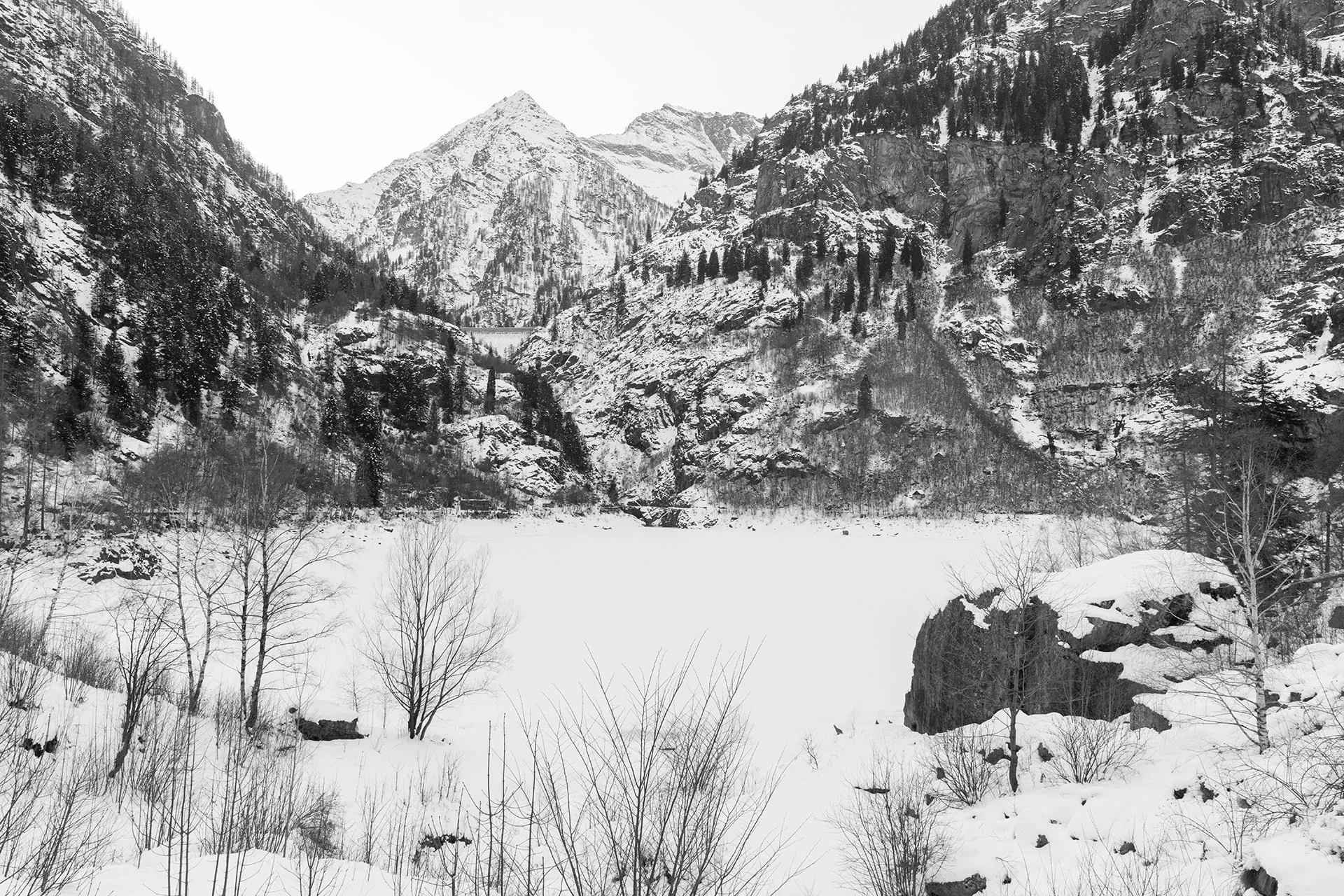
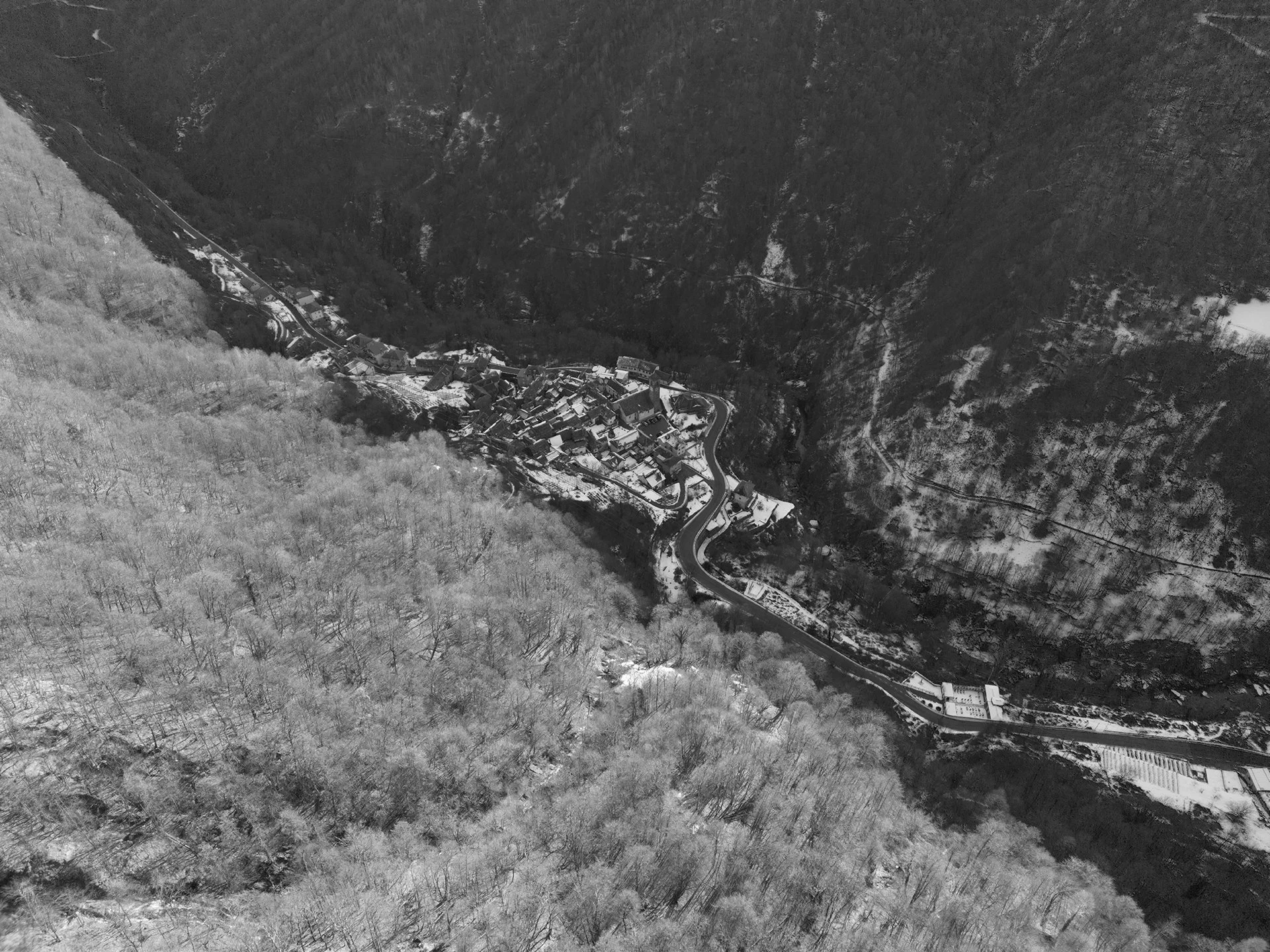
Qui si trova Viganella, un paese di circa duecento abitanti che, tra l’11 novembre e il 2 febbraio, rimane per 83 giorni senza luce solare diretta, celato dietro la barriera naturale costituita dalla vallata, rimanendo immerso in un’ombra costante che muta colori e umori. Le origini di questo insediamento si perdono nel tempo. Si ipotizza che il borgo sia sorto intorno all’anno 1200, epoca a cui risale il più antico documento conosciuto che menziona Viganella e la sua comunità di minatori e carbonai. La sua posizione sarebbe quindi legata allo sfruttamento delle risorse del territorio.
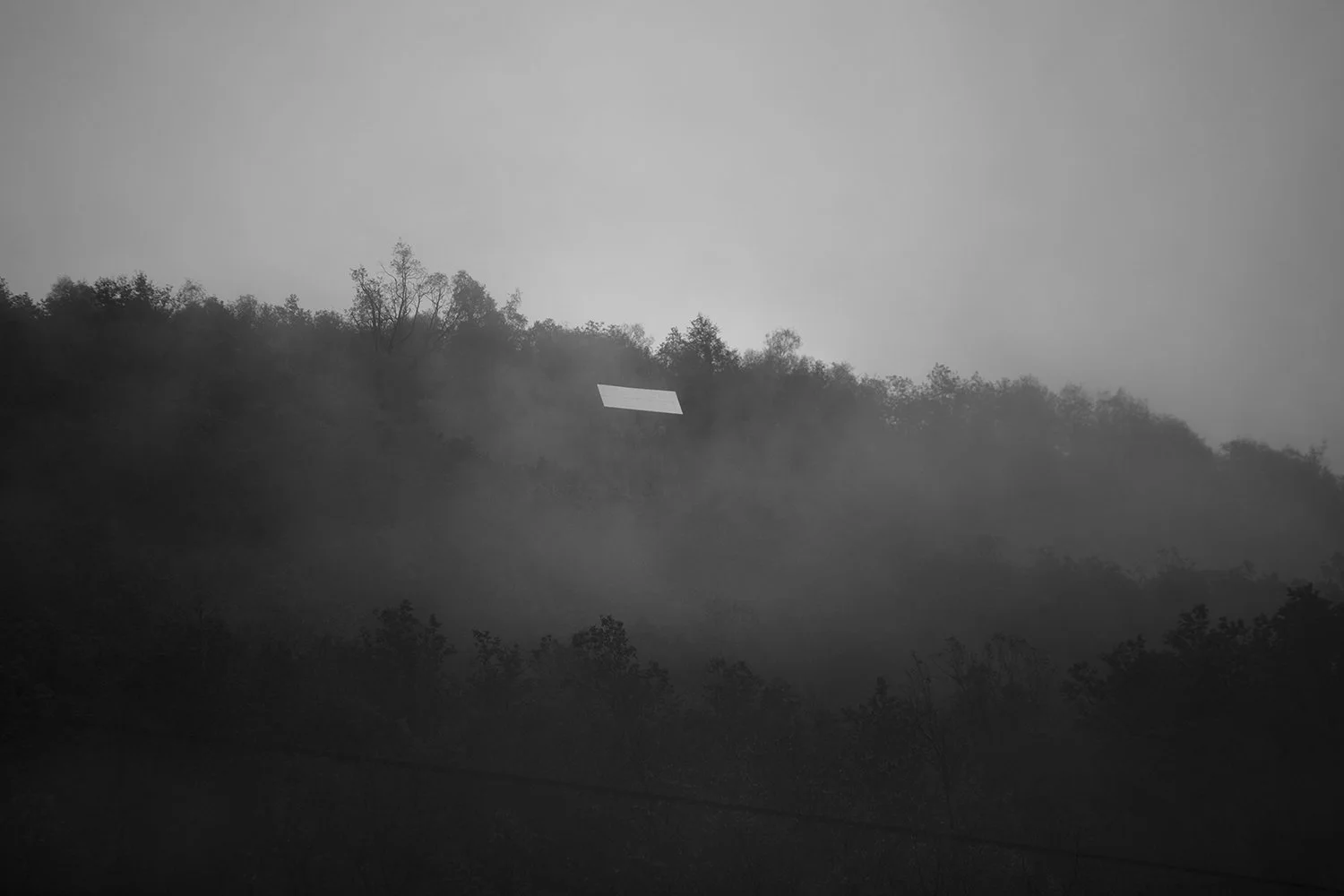
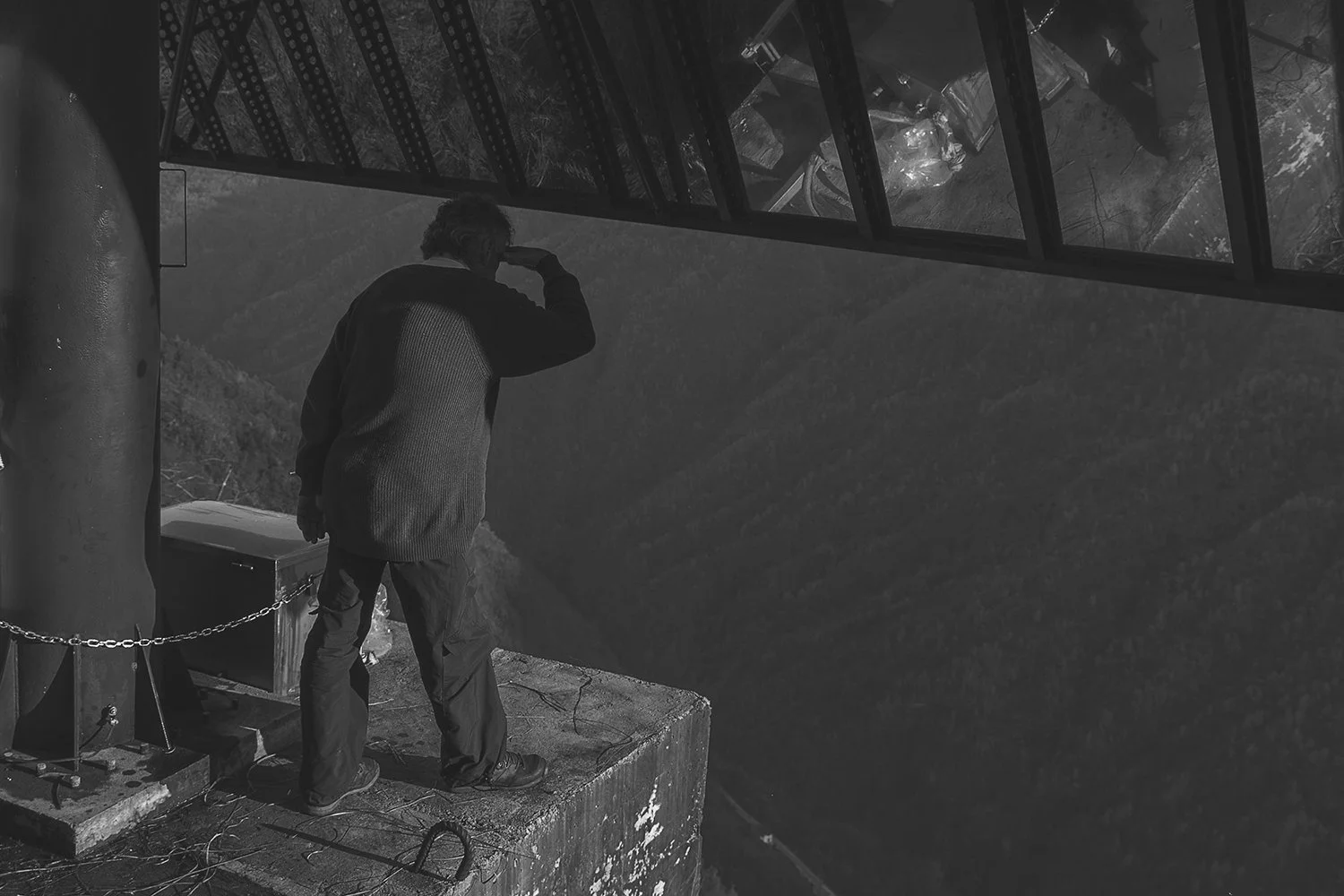
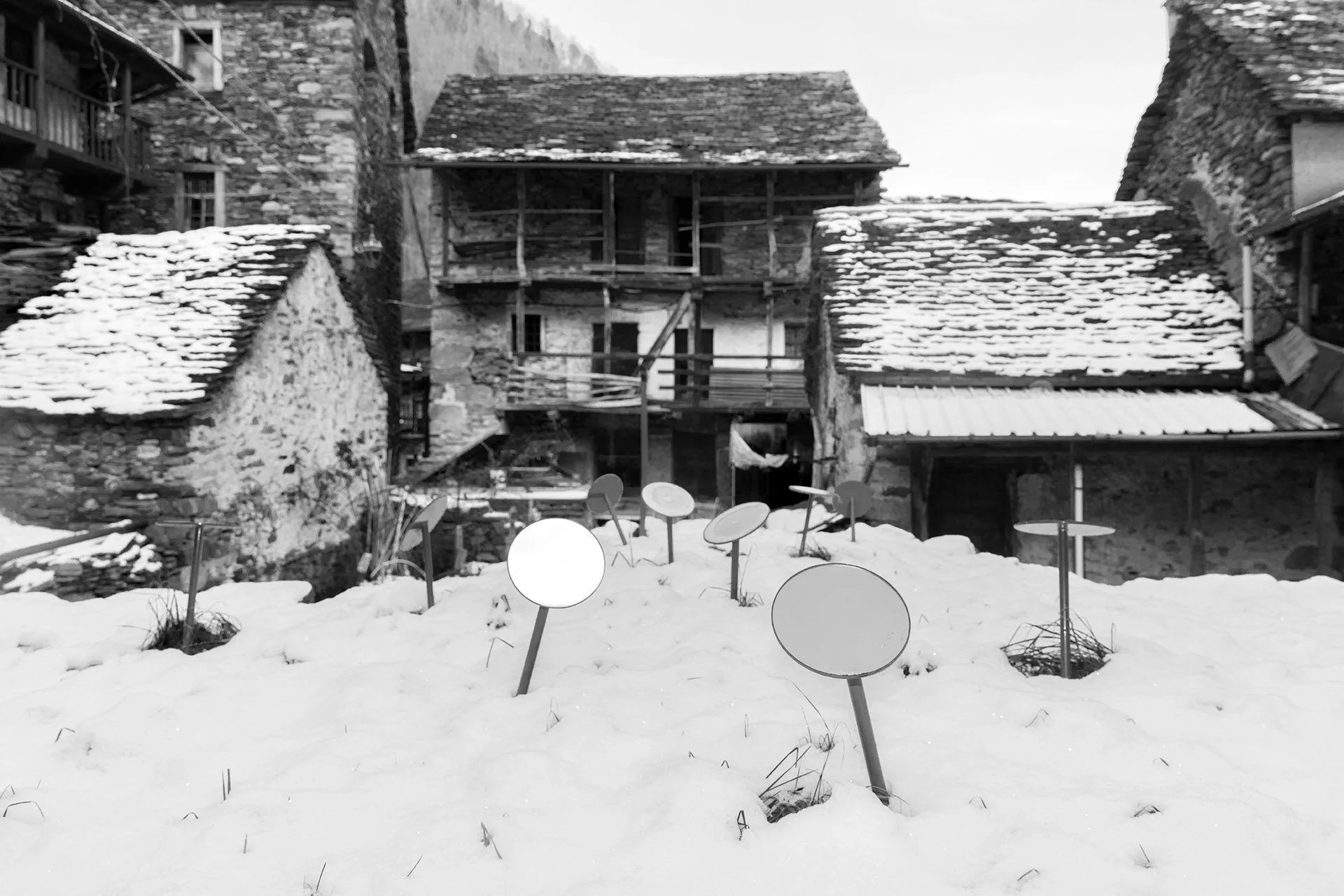
La prolungata assenza del sole, riferimento e simbolo di vita e speranza, ha provocato una reazione visionaria e poetica: l’installazione di un grande specchio rotante, sul versante settentrionale della valle, che consente di riflettere i raggi solari sul paese. Per gli abitanti, l’11 novembre 2006 è stato «il giorno della luce», il momento in cui lo specchio venne inaugurato. Questo manufatto, del peso di undici quintali e collocata a 1.050 metri di altitudine, nelle giornate serene intercetta il sole dalle nove del mattino alle tre del pomeriggio, proiettando sulla piazza del paese quasi sei ore di luce.
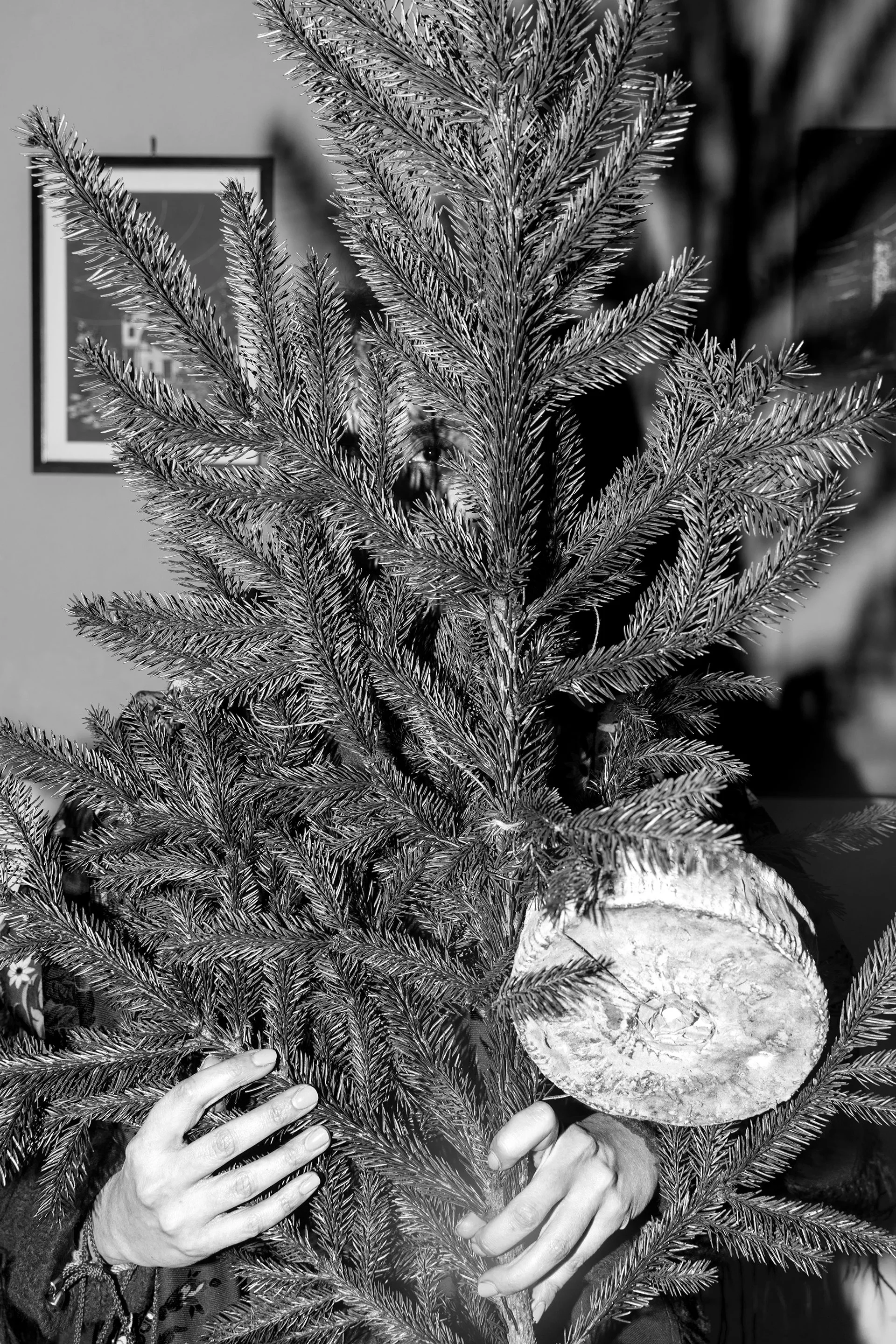
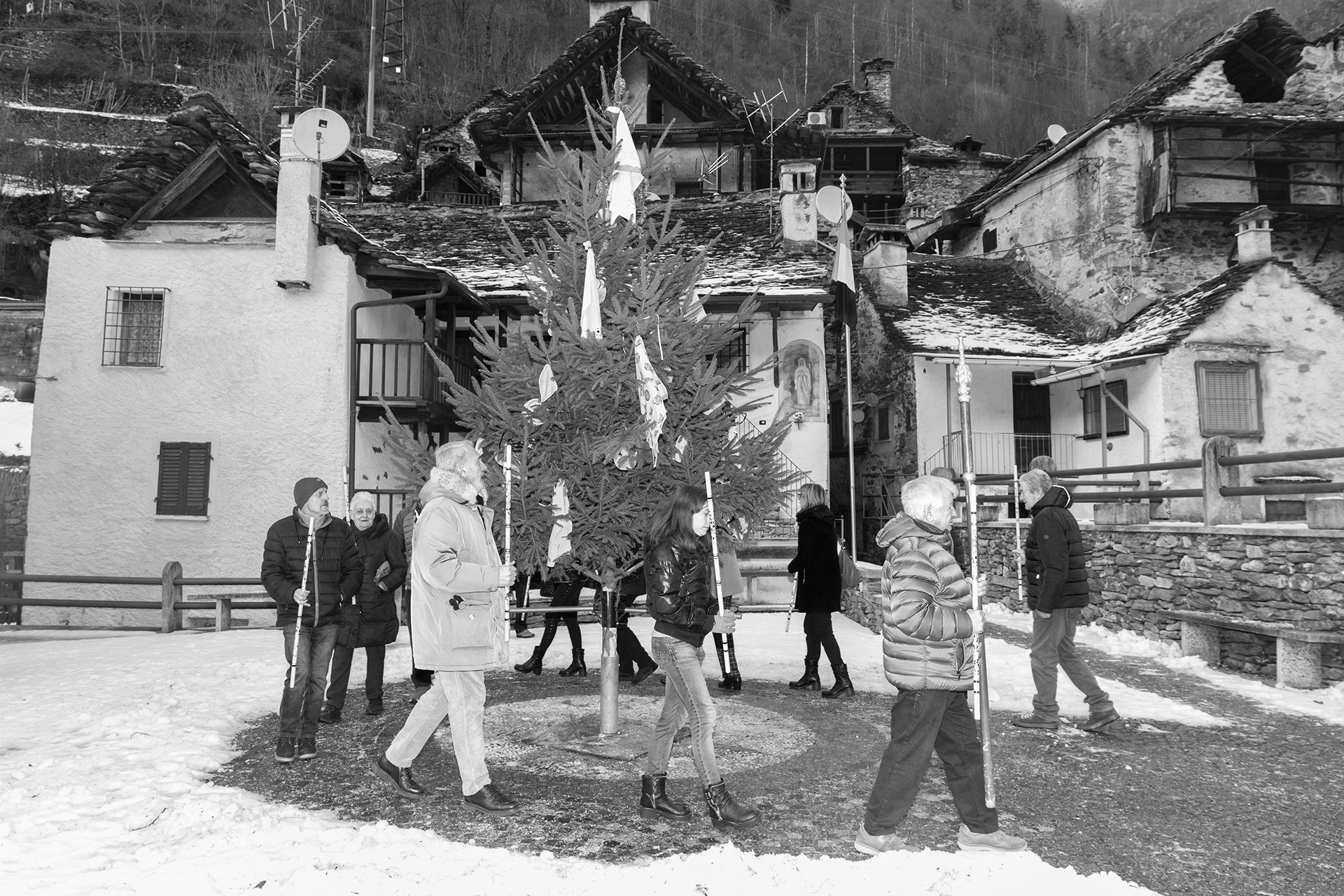
Ogni anno, il 2 febbraio, Viganella celebra la Candelora, la festa che accompagna il ritorno del sole. È un momento che intreccia riti antichissimi, in seguito cristianizzati, e che si articola in diversi gesti di benedizione e condivisione collettiva. Il più simbolico è quello della Pescia: un grande abete innalzato nella piazza e decorato con doni che richiamano l’abbondanza e la prosperità, come prodotti del territorio, cibi e oggetti preparati appositamente per l’occasione. Al termine del rito, i rami dell’albero vengono distribuiti agli abitanti, che li portano nelle proprie case e nelle stalle come segno propiziatorio e augurio di salute, fertilità e buoni raccolti per l’anno a venire.
La Valle Antrona racchiude la storia di una comunità che vive su una soglia, dove il rapporto tra oscurità e luce riecheggia i bisogni primordiali dell’essere umano e scandisce il ritmo della vita, della sopravvivenza e dell’immaginazione.
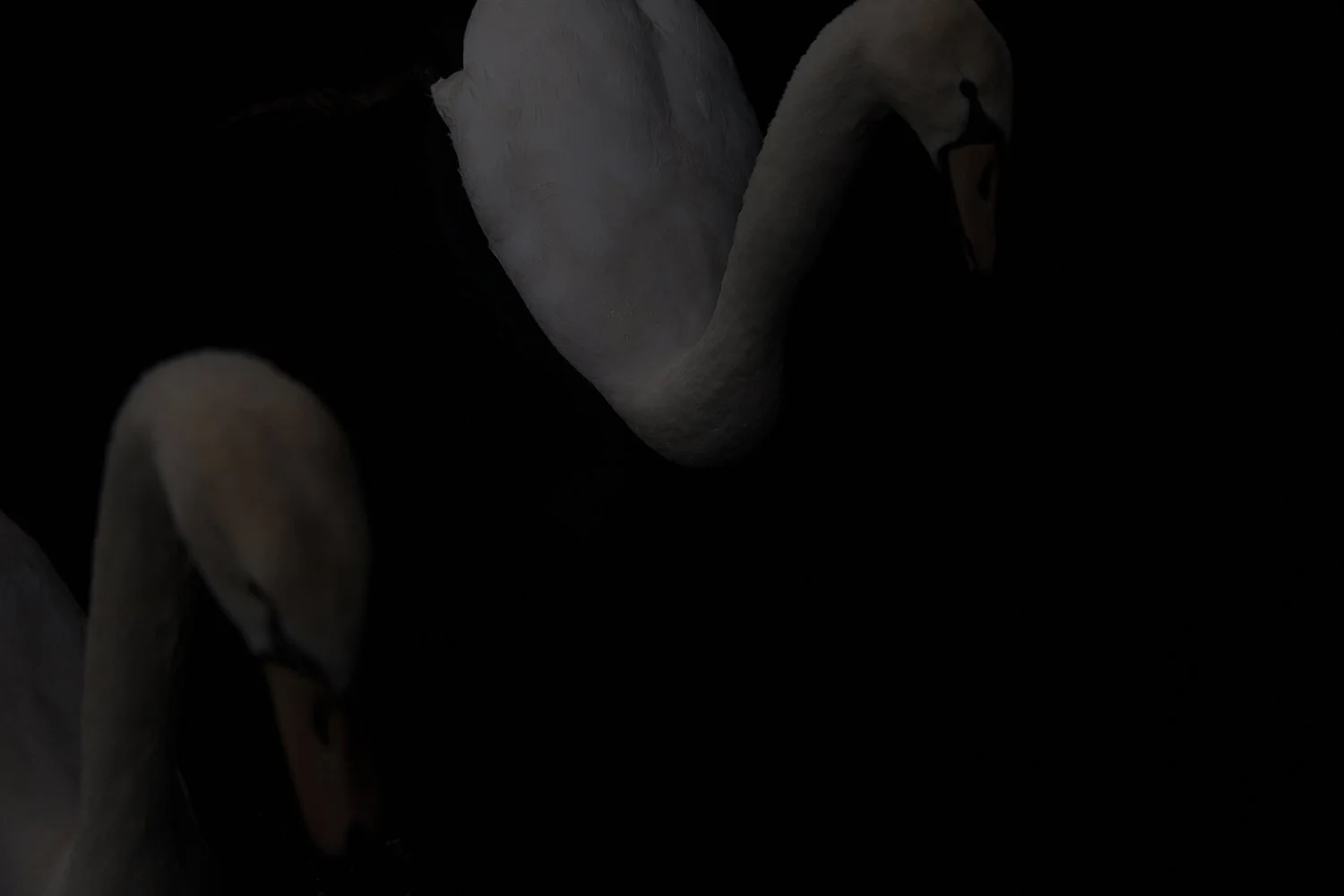
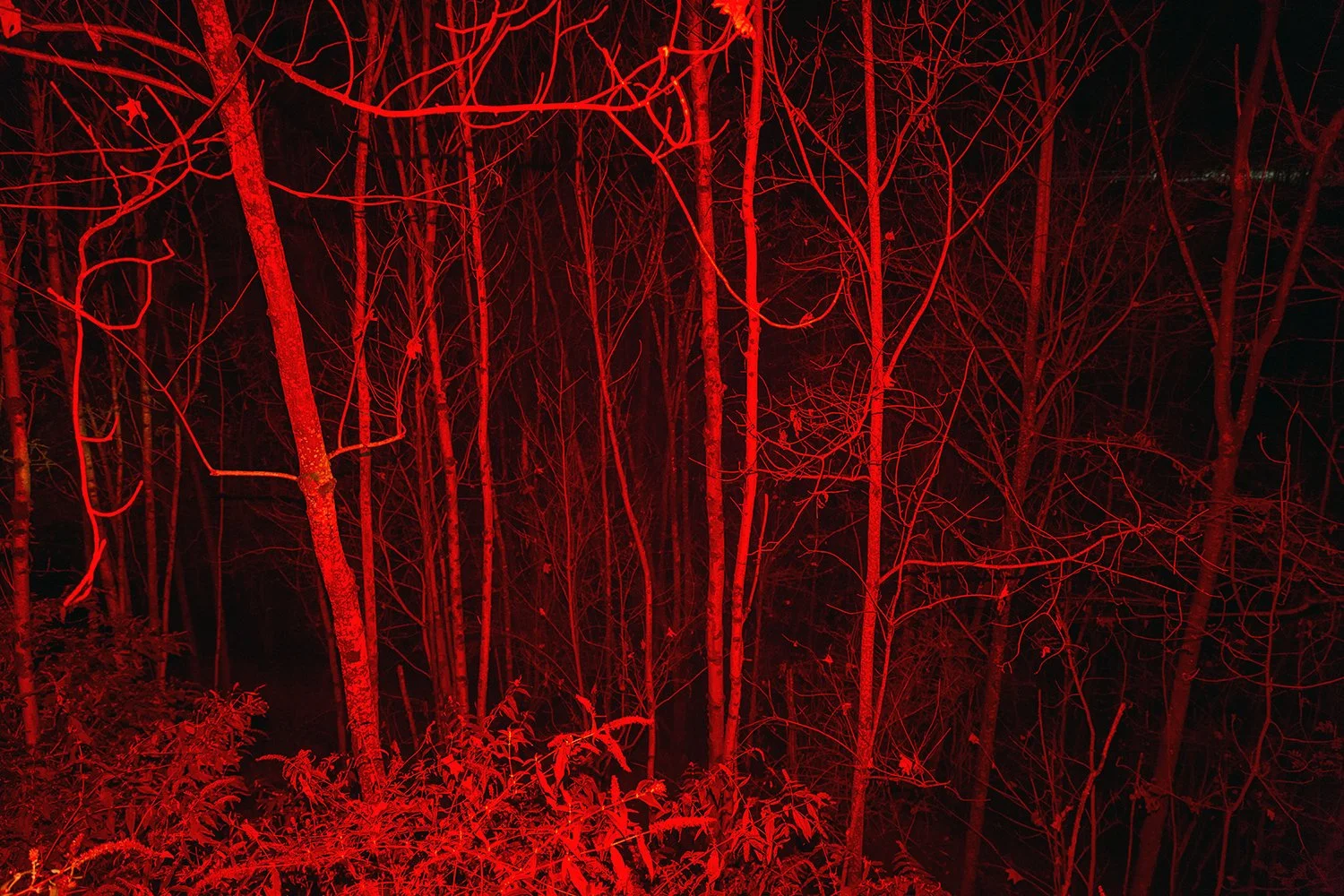
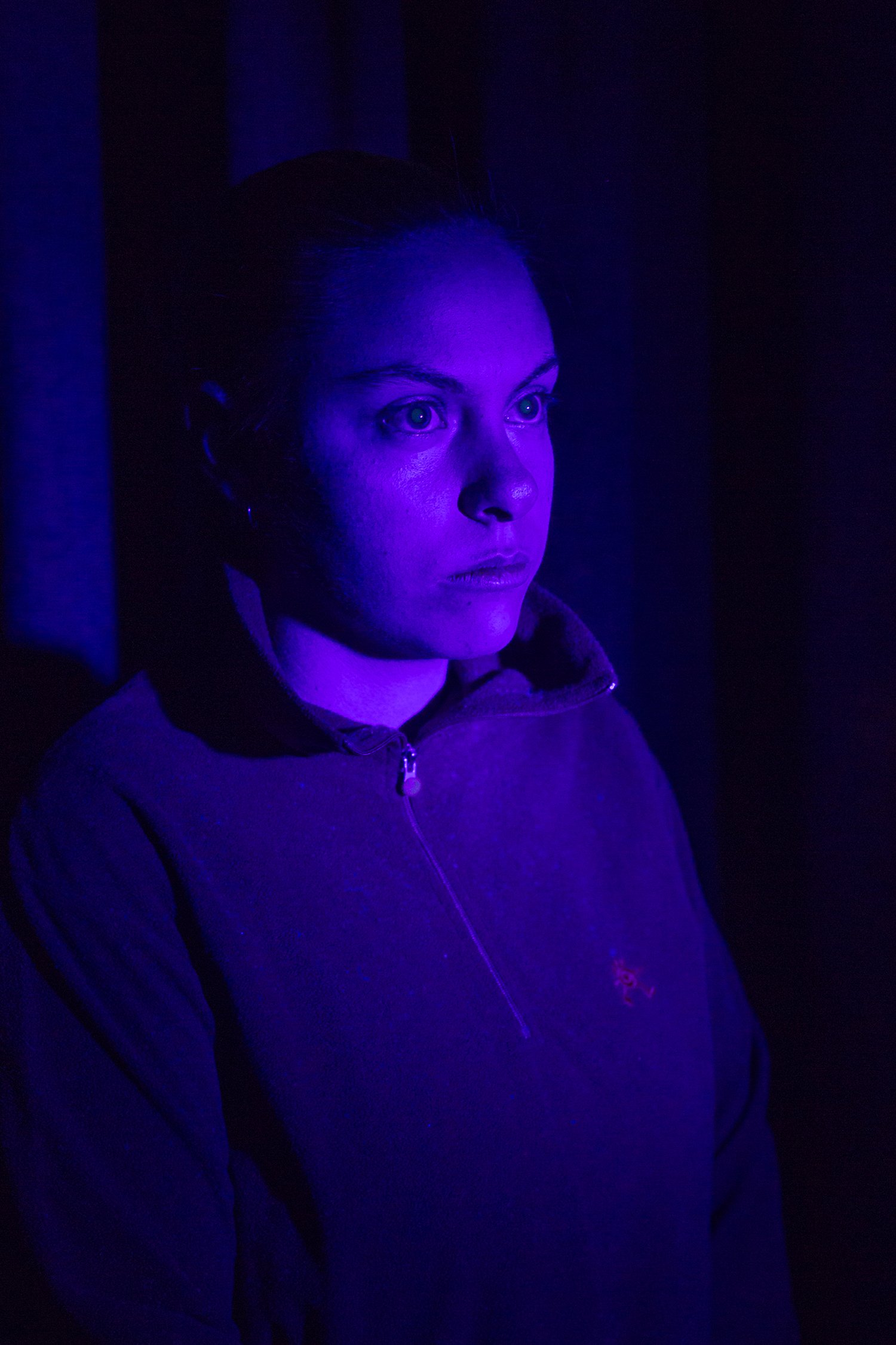
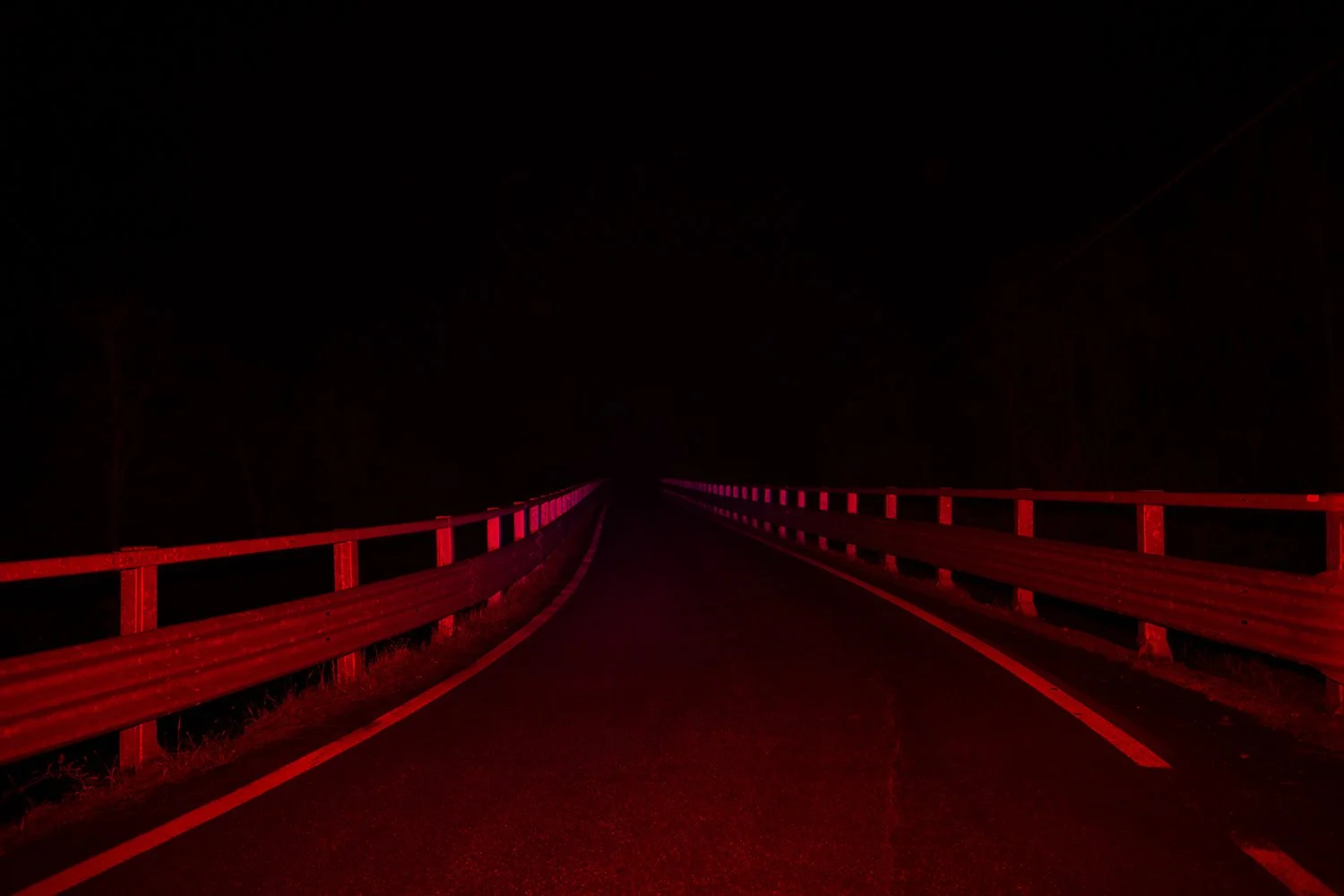
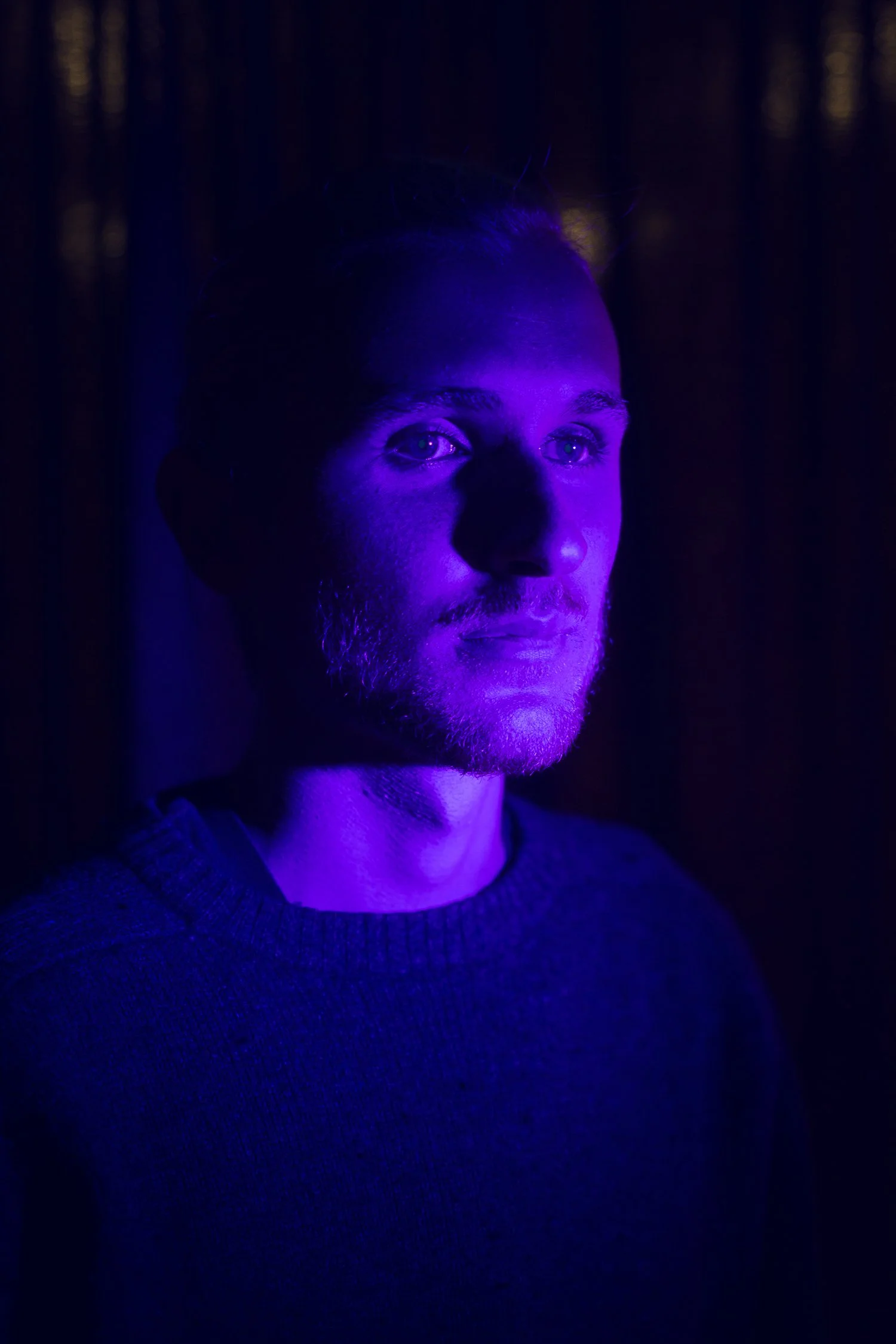
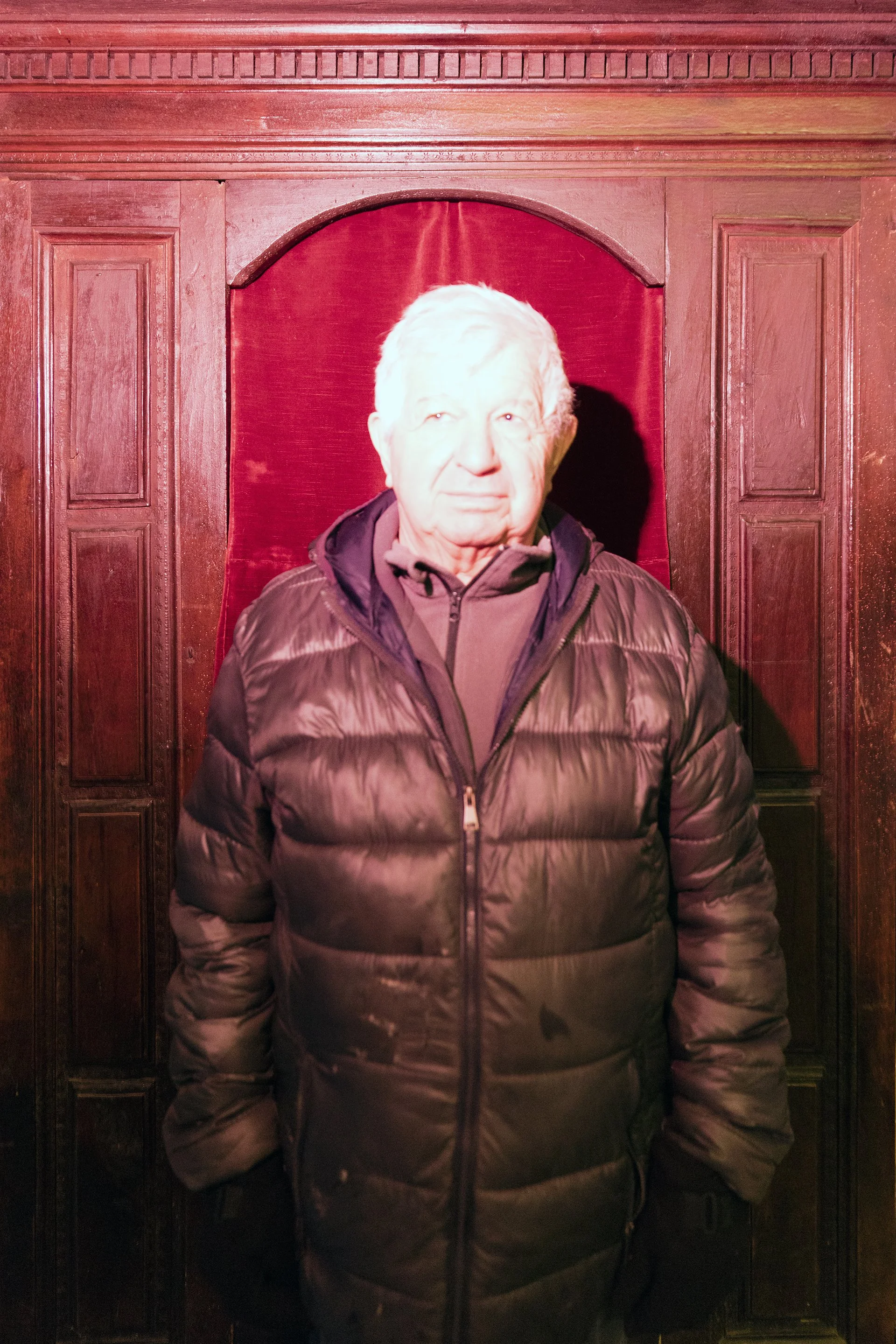
How Long Is the Night? è un progetto fotografico documentario realizzato in parte attraverso l’impiego di illuminazione artificiale.
Le immagini sono state prodotte senza l’utilizzo dell’intelligenza artificiale e senza ricorrere a interventi invasivi di post-produzione.
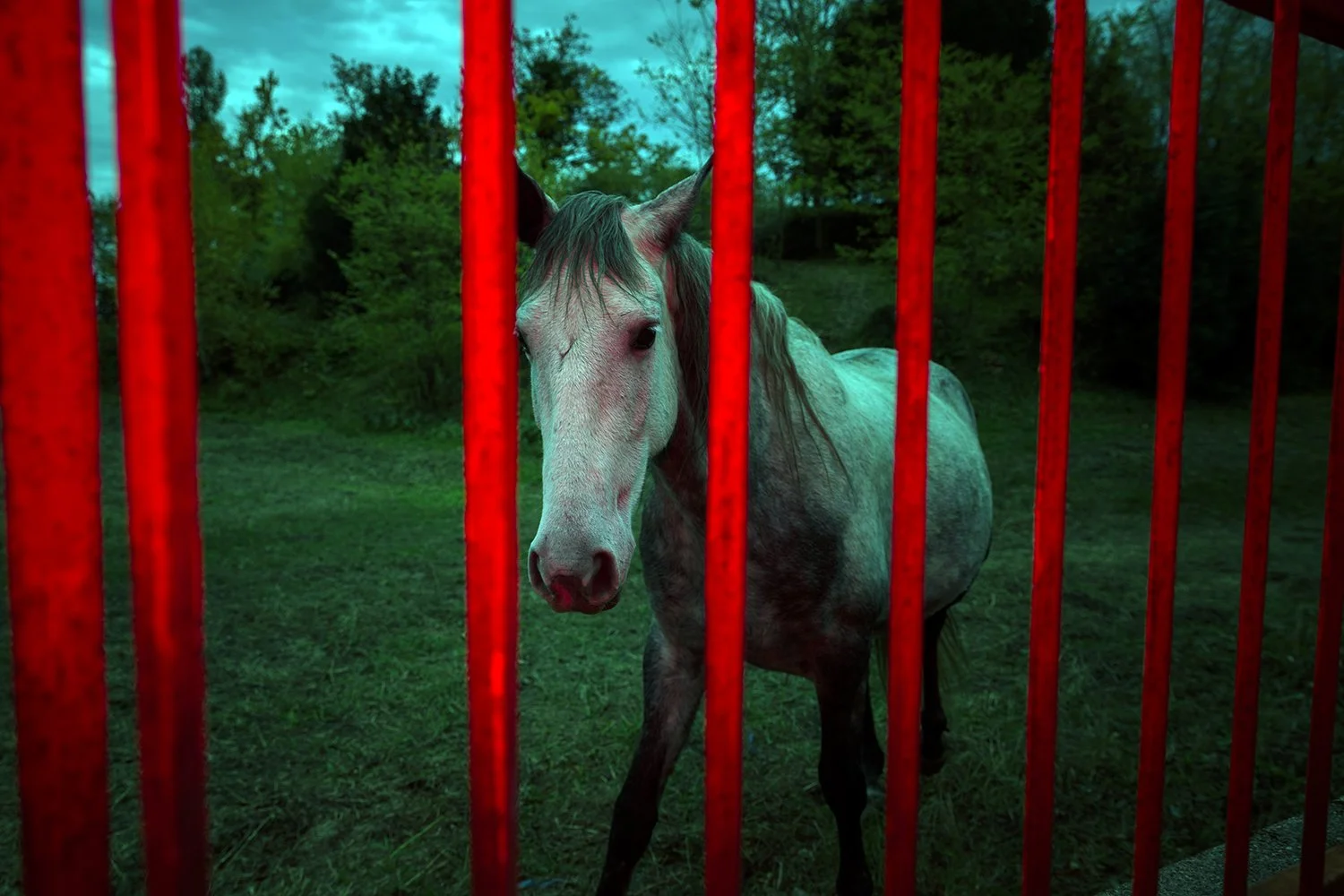
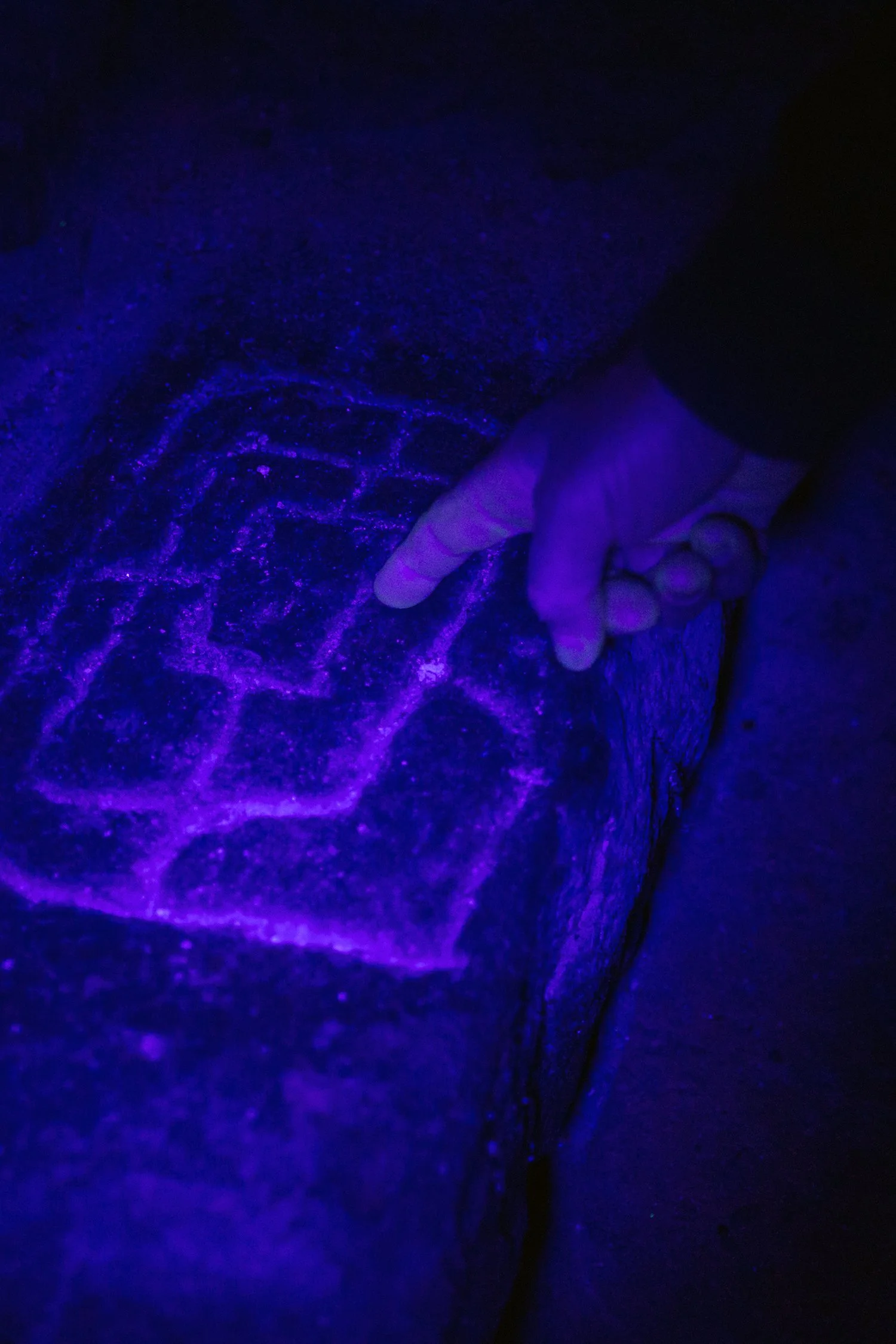
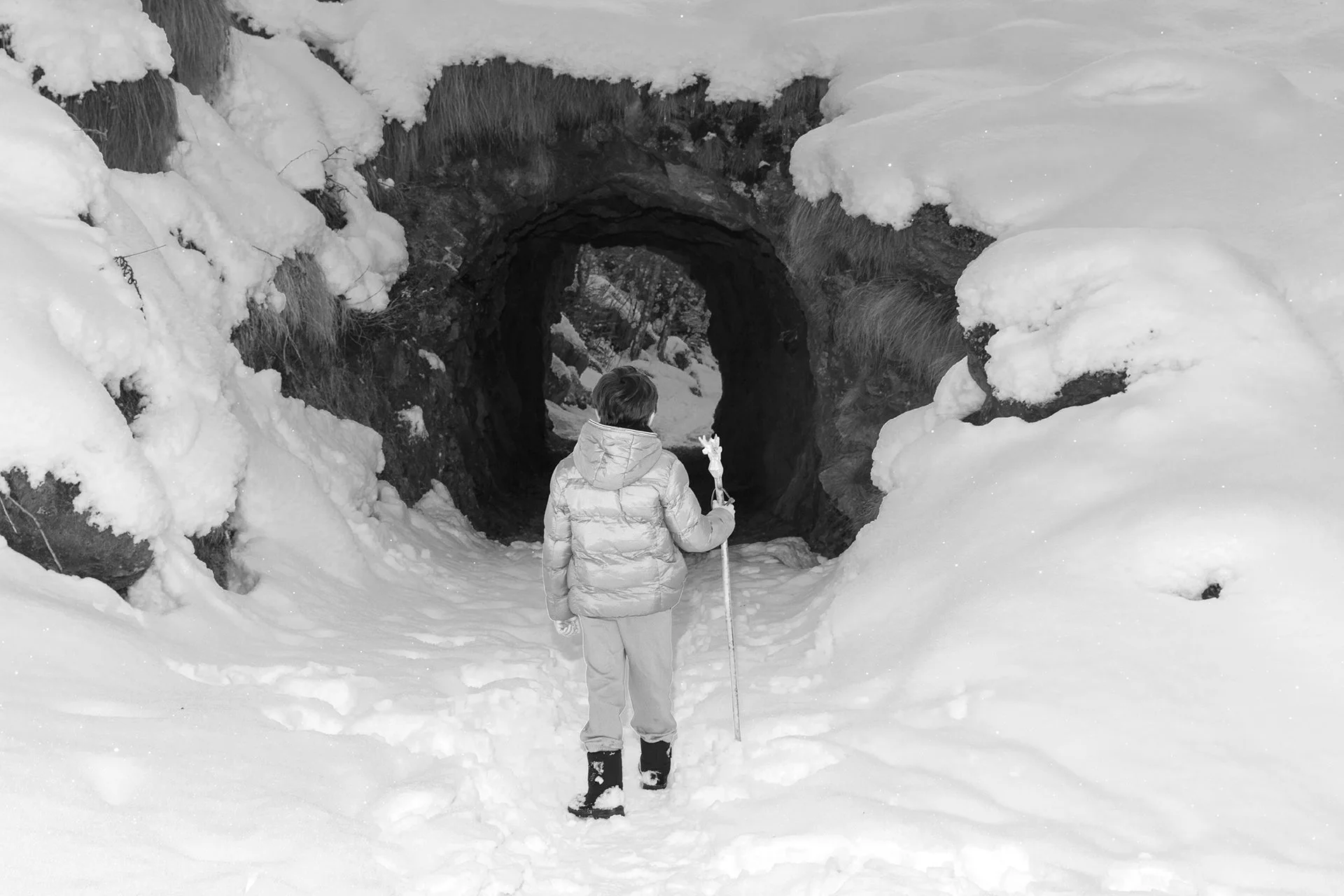
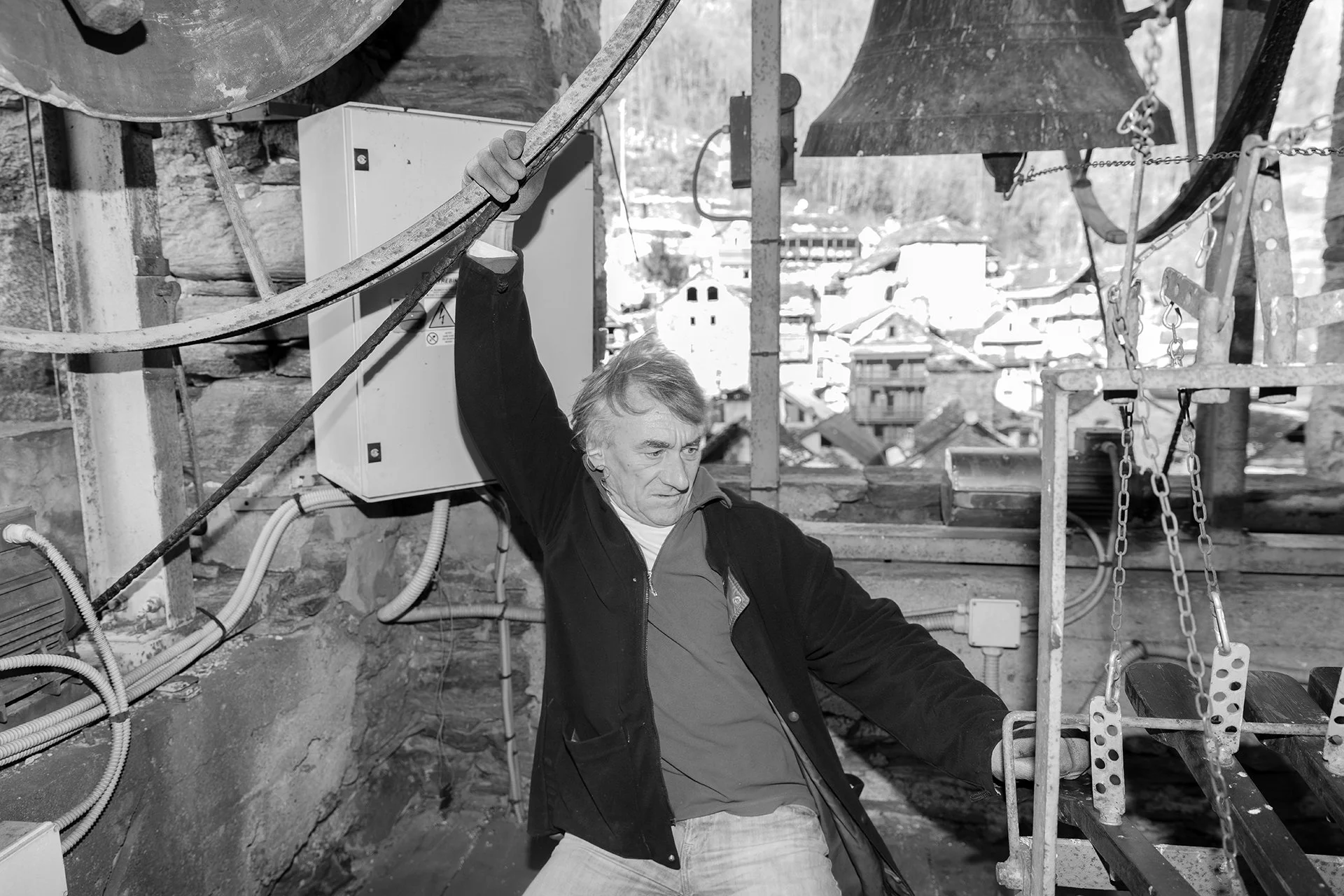
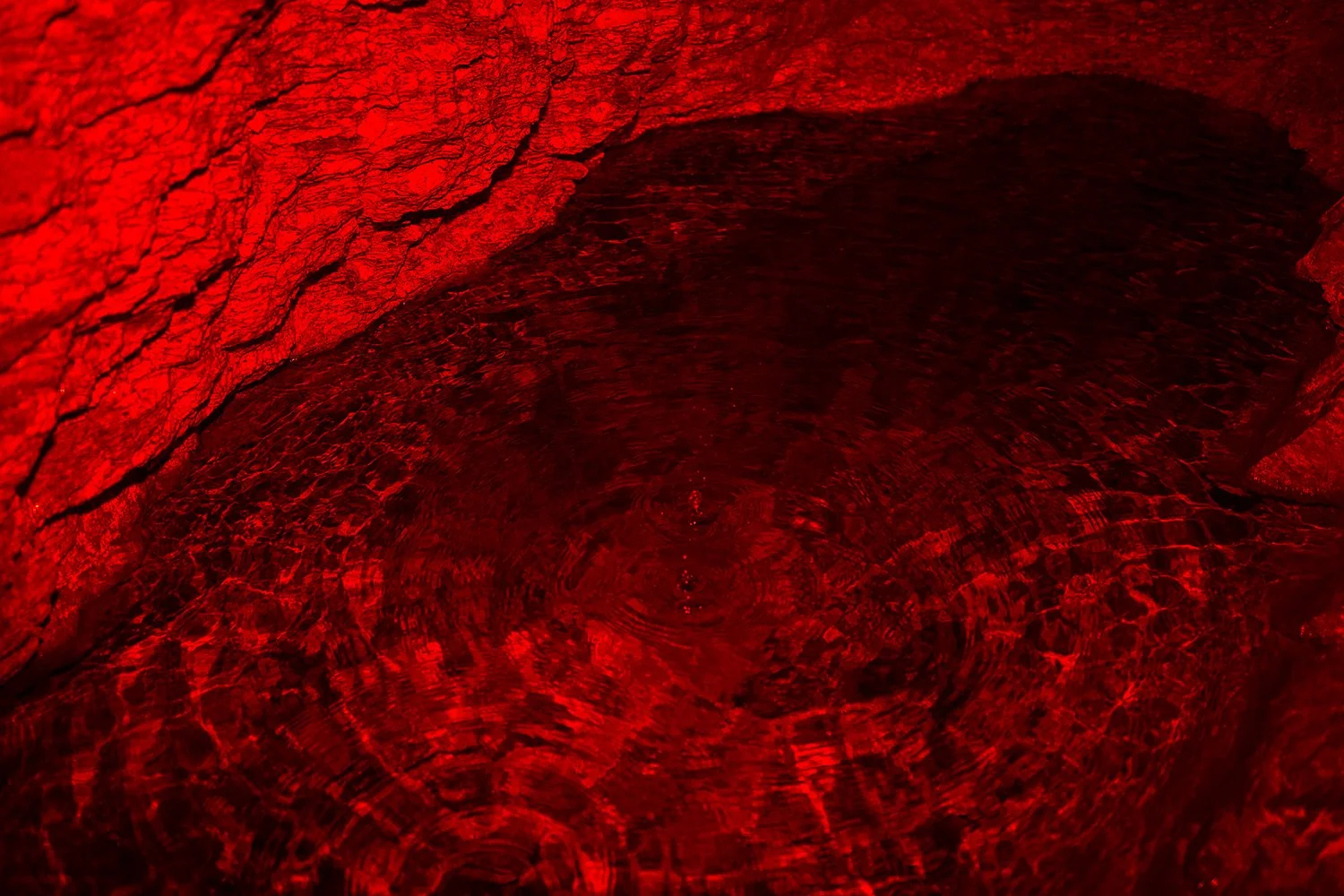
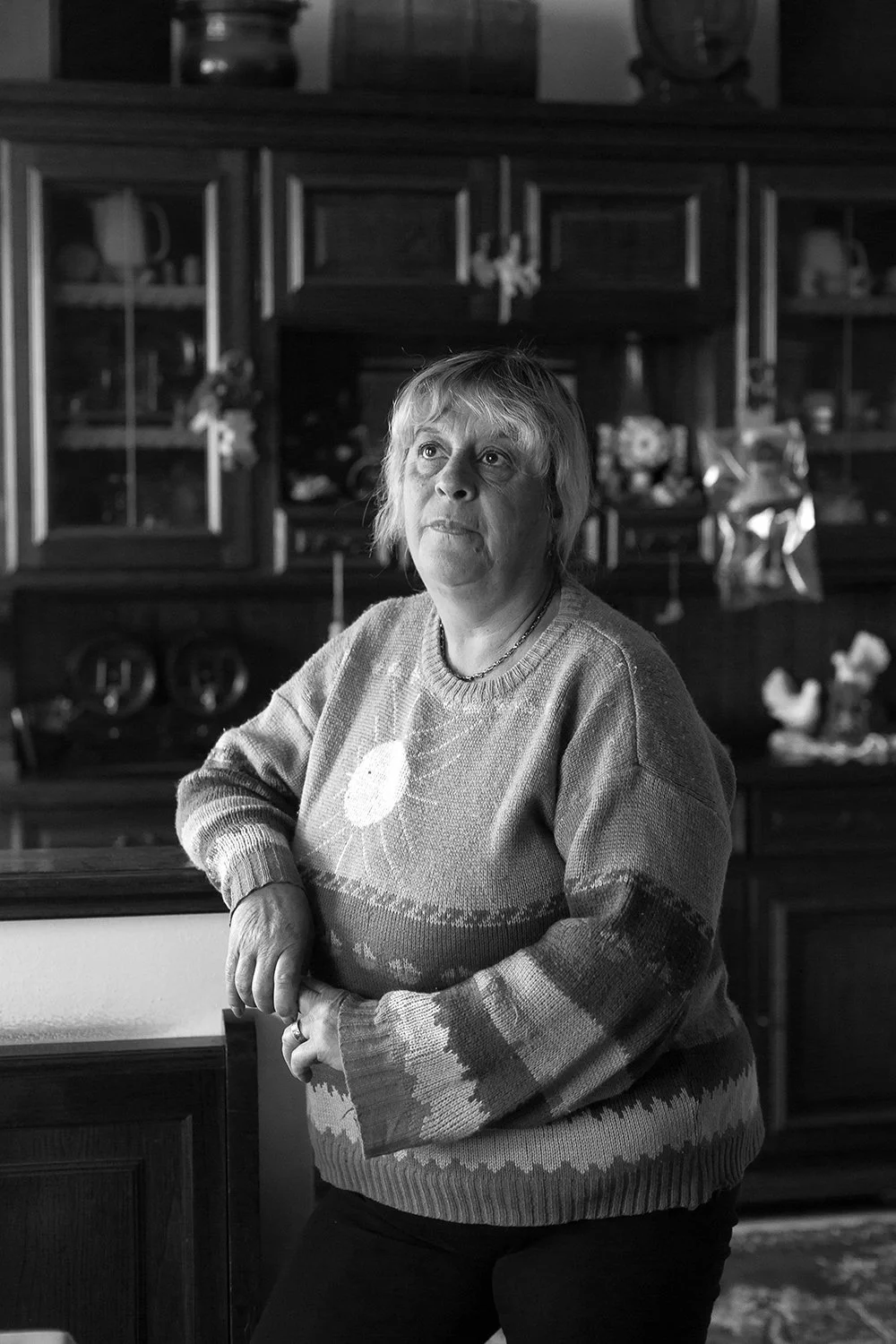
How long is the night?
(Valle Antrona, Italy, 2021-2026)
The Antrona Valley (whose name derives from the Latin antrum, meaning a deep, dark cave) is a territory that for centuries was explored and excavated in search of gold, and which still contains countless abandoned and forgotten mines.
Here lies Viganella, a village of around two hundred inhabitants which, between 11 November and 2 February, remains without direct sunlight for 83 days. Hidden behind the natural barrier formed by the surrounding mountains, it is immersed in a constant shadow that alters its colours and moods. The origins of the settlement are lost in time. It is thought that the village was founded around the year 1200, the period to which the earliest known document mentioning Viganella and its community of miners and charcoal burners dates. Its location was therefore probably linked to the exploitation of the area’s natural resources.
The prolonged absence of the sun, a point of reference and a symbol of life and hope, prompted a visionary and poetic response: the installation of a large rotating mirror on the northern side of the valley, designed to reflect the sun’s rays onto the village. For the inhabitants, 11 November 2006 became ‘the day of light’, when the mirror was officially inaugurated. Weighing 1,100 kilograms and positioned at an altitude of 1,050 metres, the structure catches the sun on clear days from approximately nine in the morning until three in the afternoon, projecting almost six hours of light onto the village square.
Every year, on 2 February, Viganella celebrates Candlemas, the festival marking the return of the sun. It brings together ancient rituals, later absorbed into the Christian tradition, and is expressed through a series of acts of blessing and communal sharing. The most symbolic of these is the Pescia: a large fir tree erected in the square and decorated with gifts evoking abundance and prosperity, including local produce, food and objects made especially for the occasion. At the end of the ritual, the branches are distributed among the inhabitants, who take them into their homes and stables as auspicious symbols and as wishes for health, fertility and good harvests in the year ahead.
The Antrona Valley contains the story of a community living on a threshold, where the relationship between darkness and light echoes the primordial needs of human beings and sets the rhythm of life, survival and imagination.
How Long Is the Night? is a documentary photographic project partly realised through the use of artificial lighting.
The images were produced without the use of artificial intelligence and without recourse to invasive post-production.