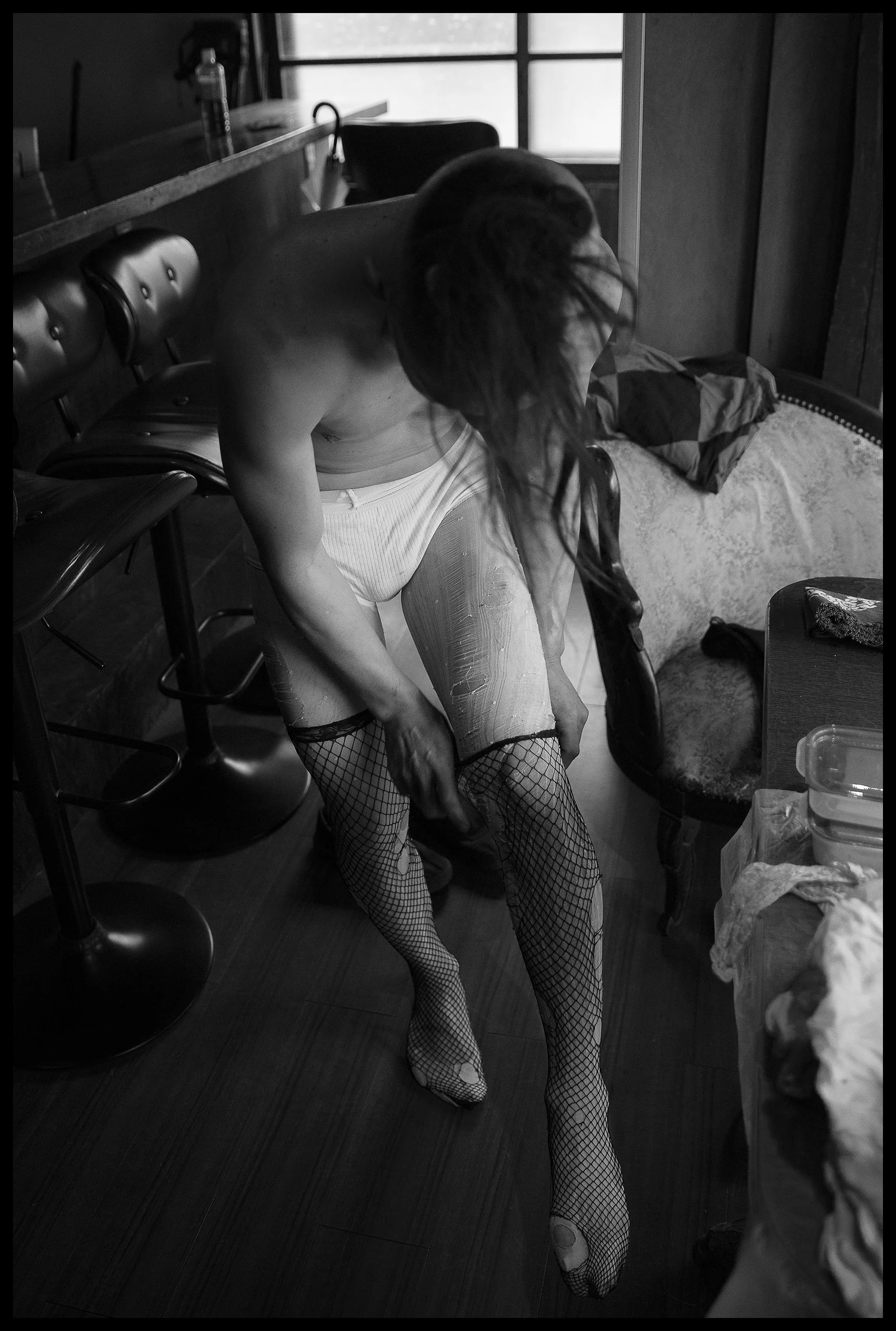
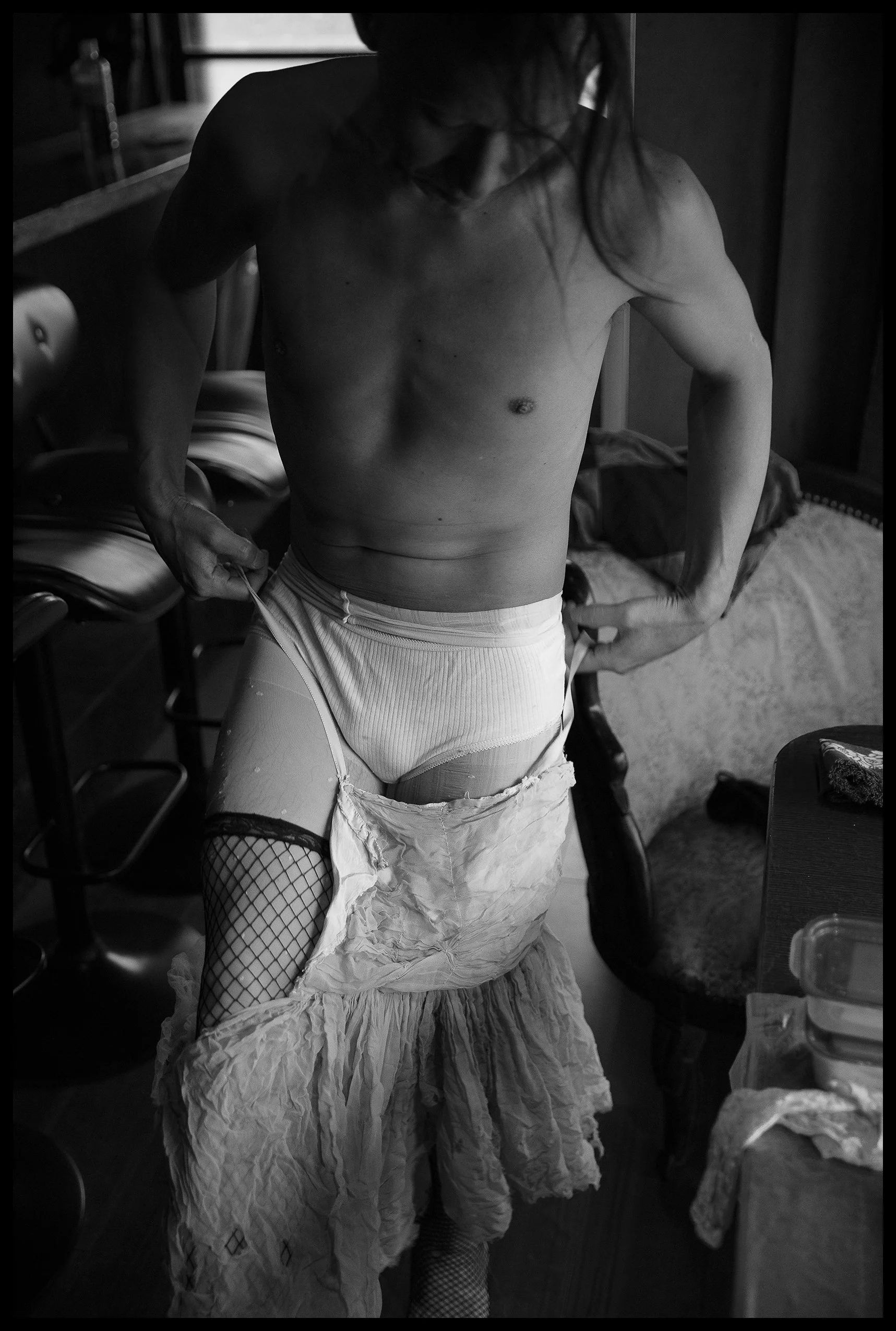
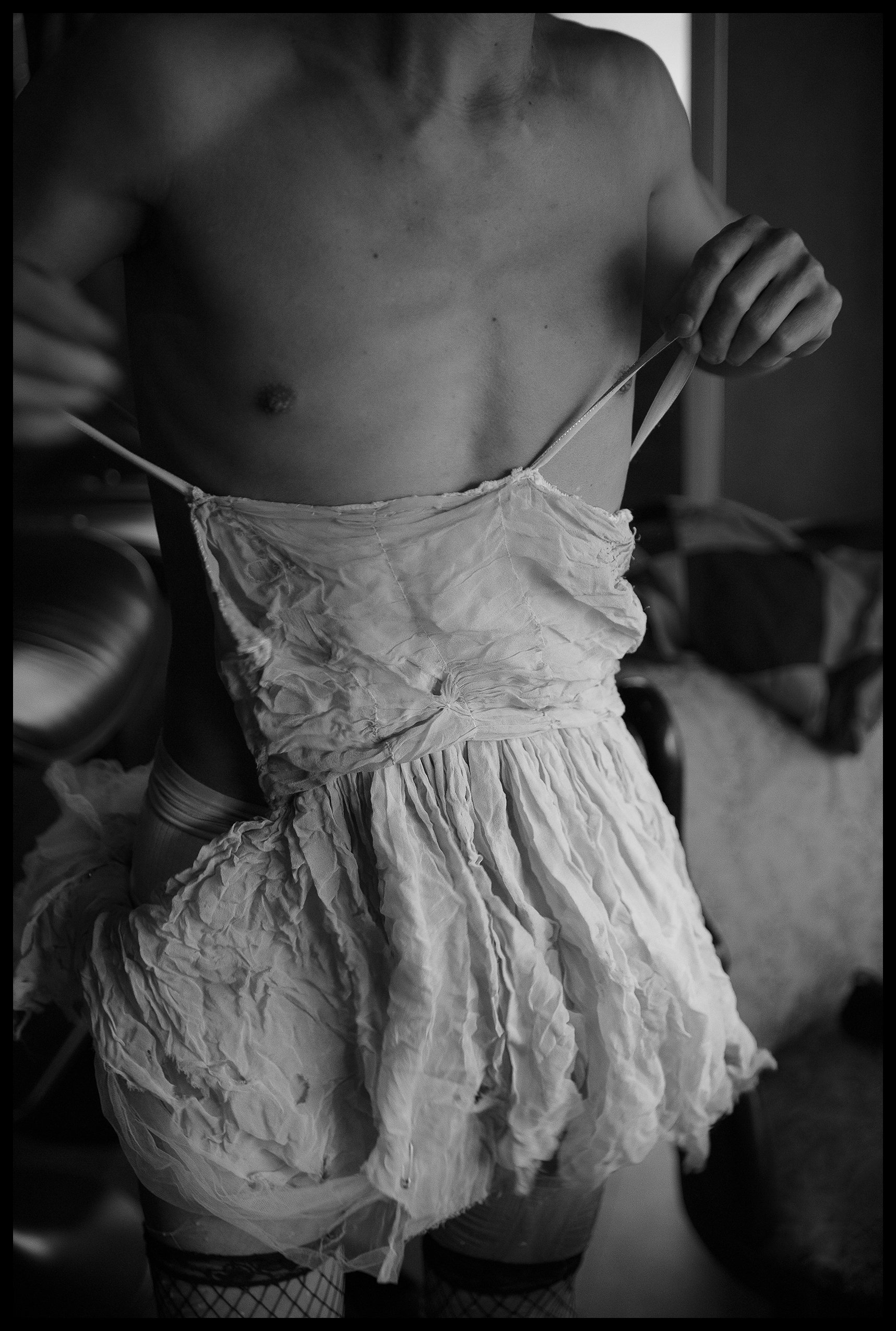
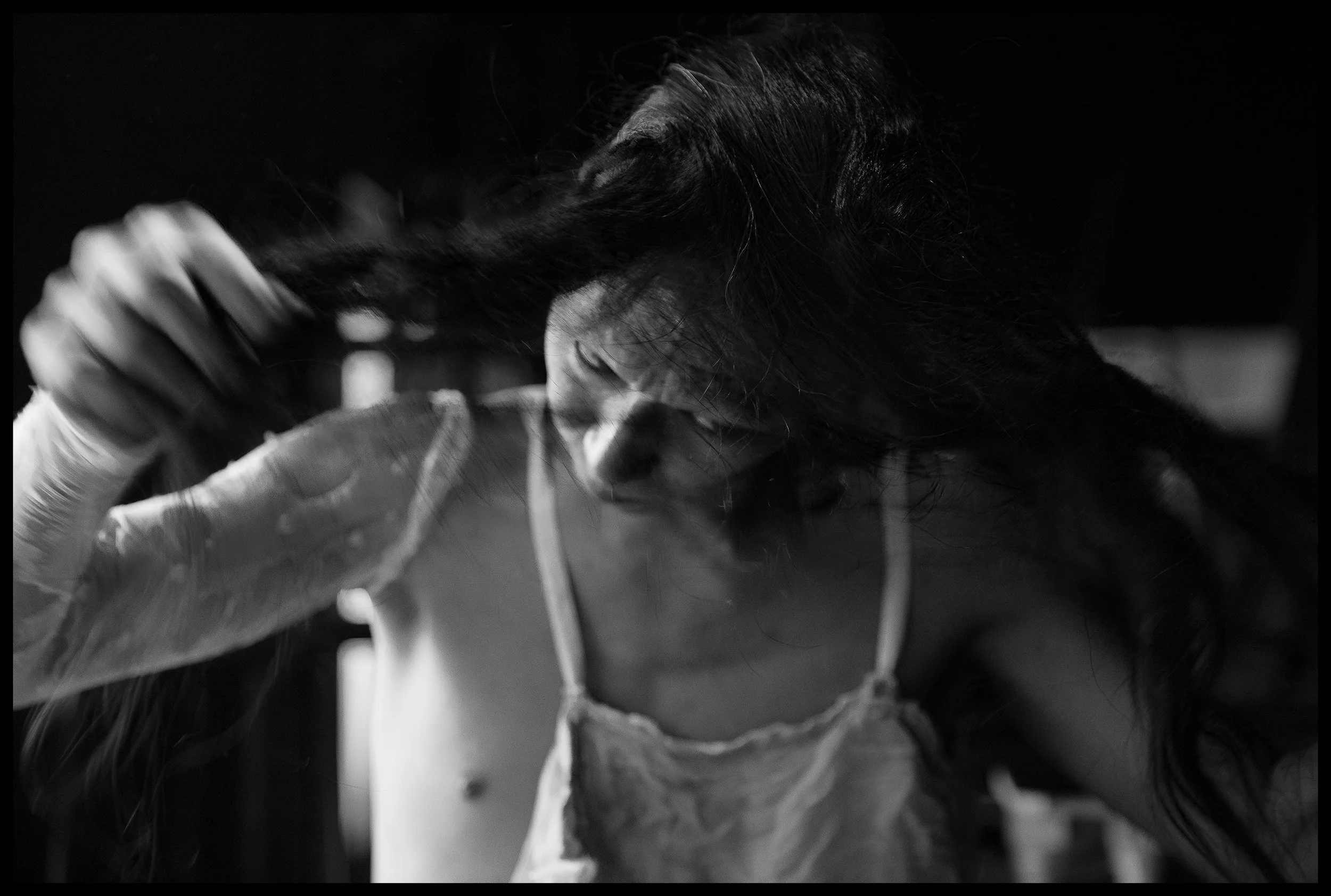
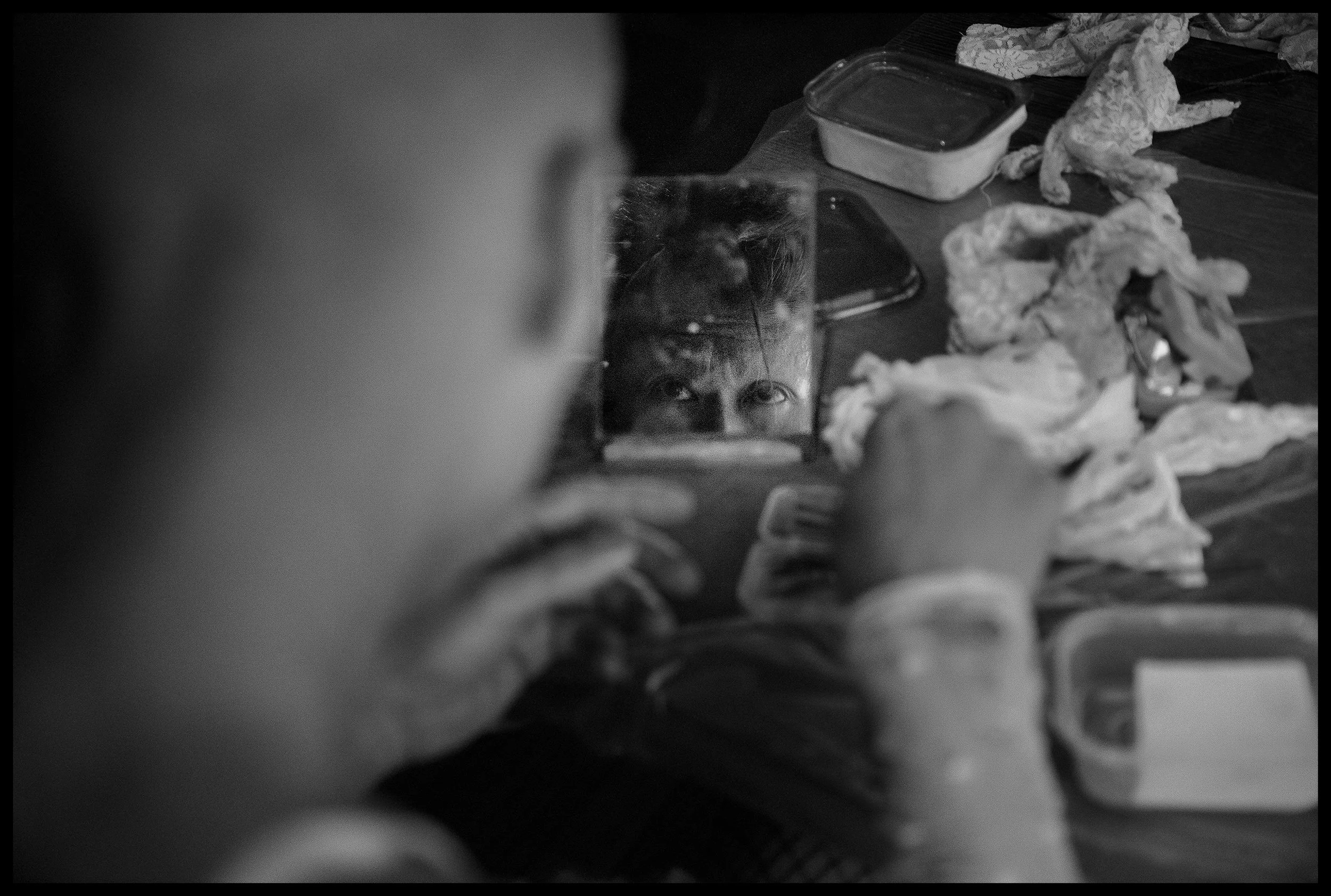
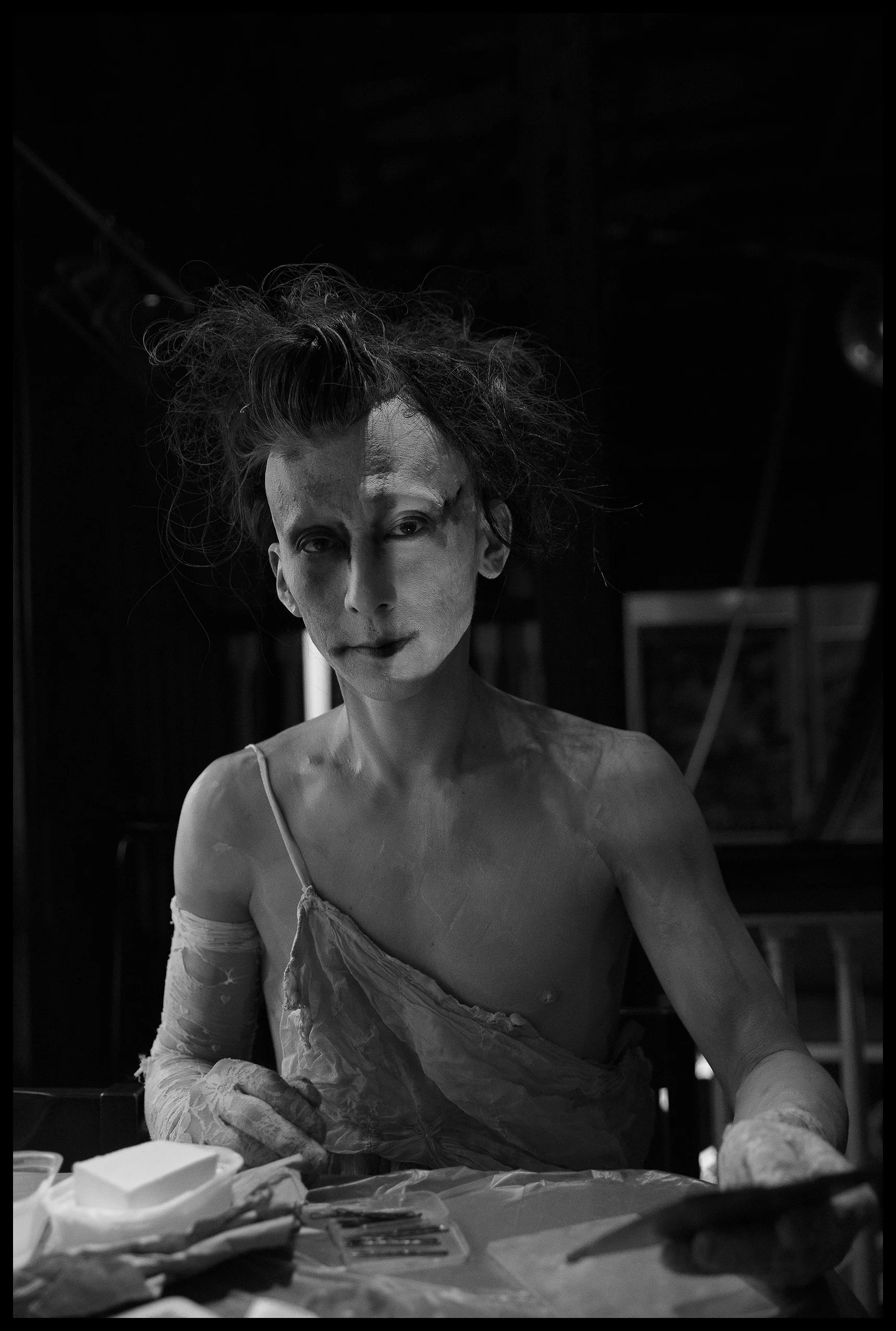
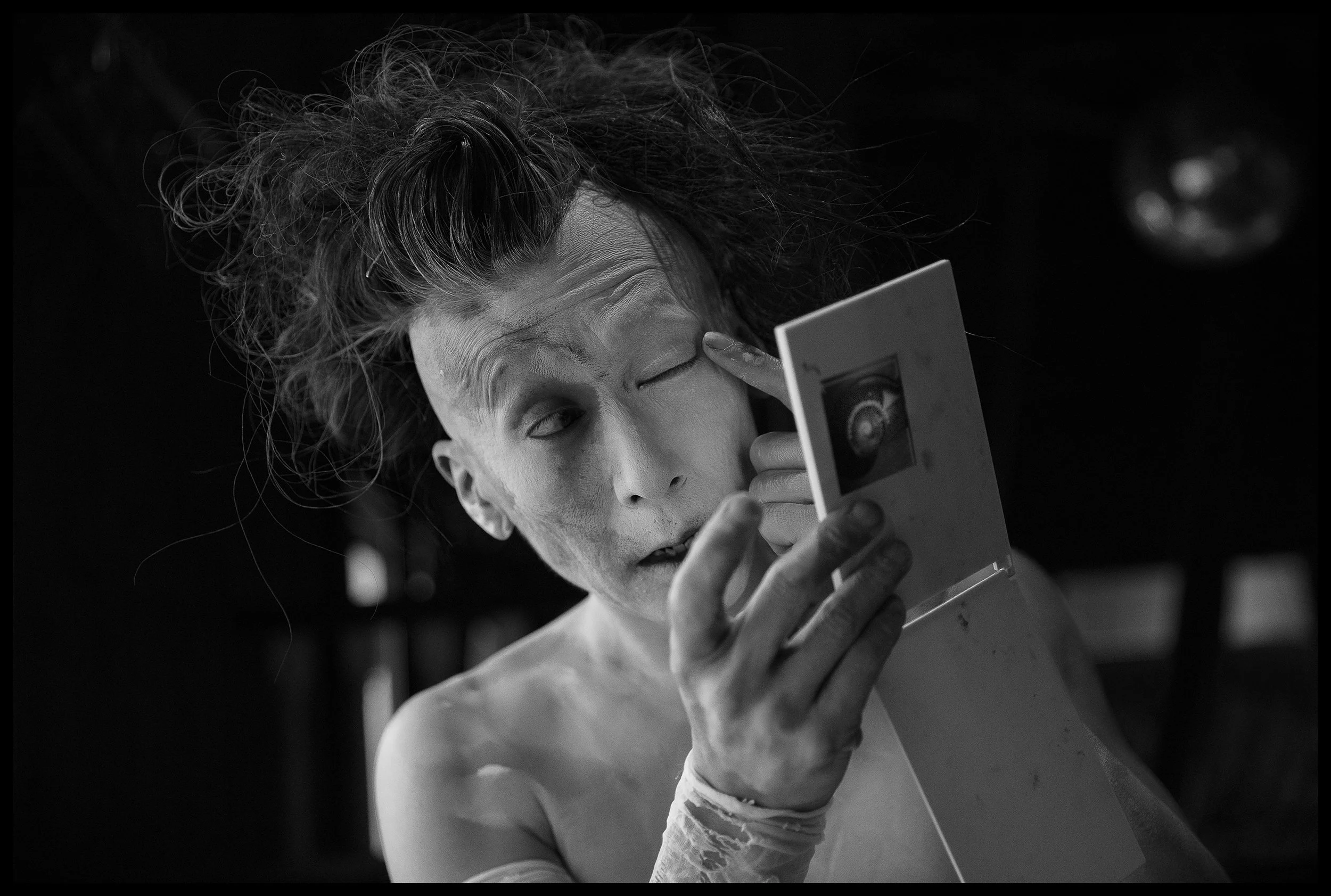
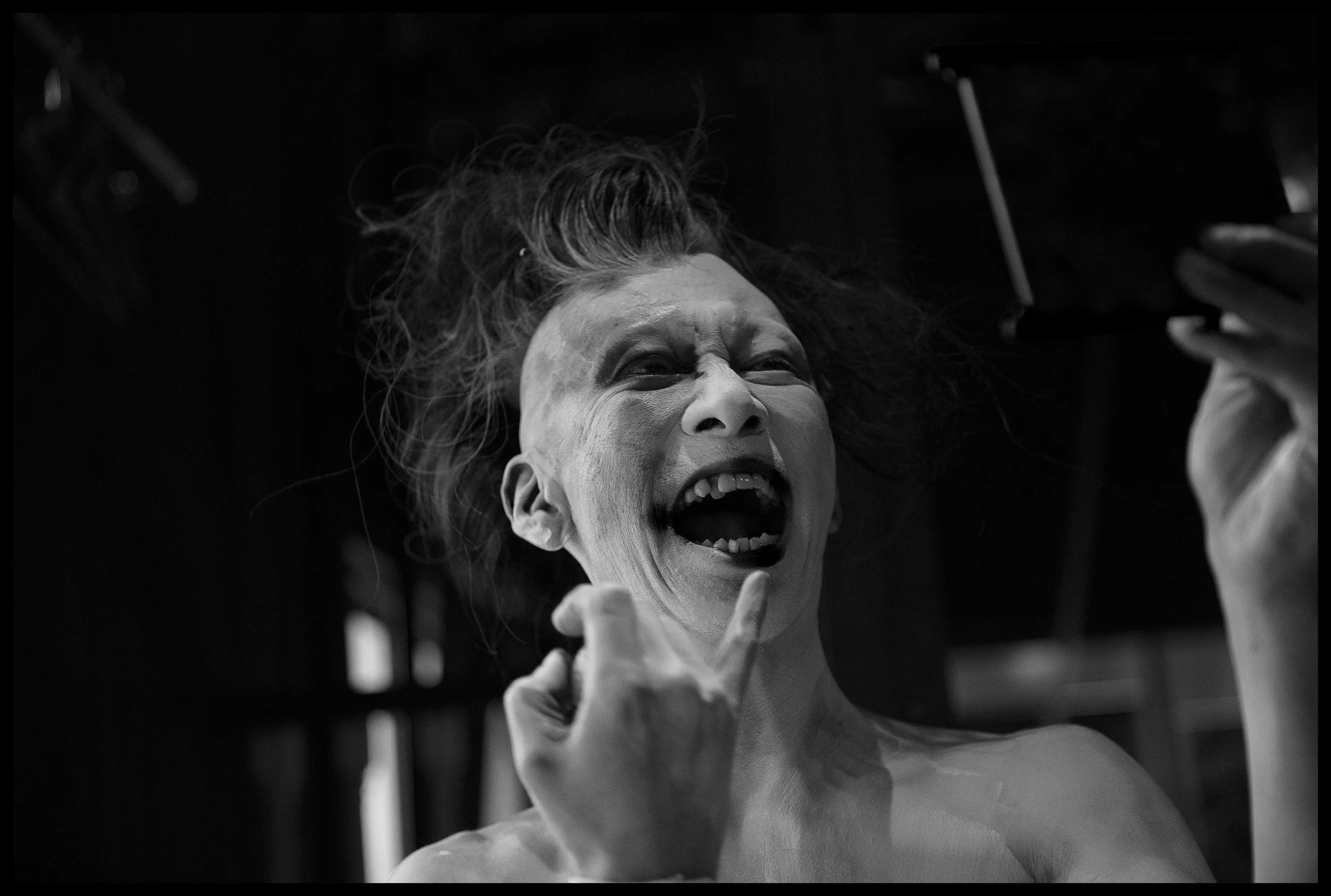

Some photos from my reportage on butoh dance, which is part of the project “The nails that sticks out gets hammered down”.
Butoh dancer Kohei Wakaba during the costume-dressing for the performance titled “Those Who Ain’t Damn Nobody,” staged together with fellow butoh dancer Mana Kawamura.
—
Butoh dance was born in Japan in the late 1950s as a form of aesthetic and spiritual rebellion against the wounds of the postwar period, Western influence, and the pressures of a society built on order, conformity, and productivity.
Created by choreographer Tatsumi Hijikata and dancer Kazuo Ōno, it transforms the body into a instrument of protest and revelation.
Bodies painted white, slow or convulsive movements, grotesque and distorted gestures stage pain, metamorphosis, and the individual’s resistance.
Also called the “dance of darkness”, Butoh explores the unspeakable: atomic memory, social repression, and the deep tensions between harmony and suffering that run through the soul of contemporary Japan.
—
«The moon is invisible during the day and shines brightly at night. It takes night to make the moon shine. It takes ugliness to make the public reflect on beauty.»
«I believe that the role of Butoh is to resist defeat, on the ash-covered ground, next to the fragments of intercontinental ballistic missiles, without shouting against war or calling for peace, but simply standing silently, painted white, amid the ashes.»
— Kohei Wakaba